Aquarium for Elderly Care Homes in Singapore: Calm and Connection
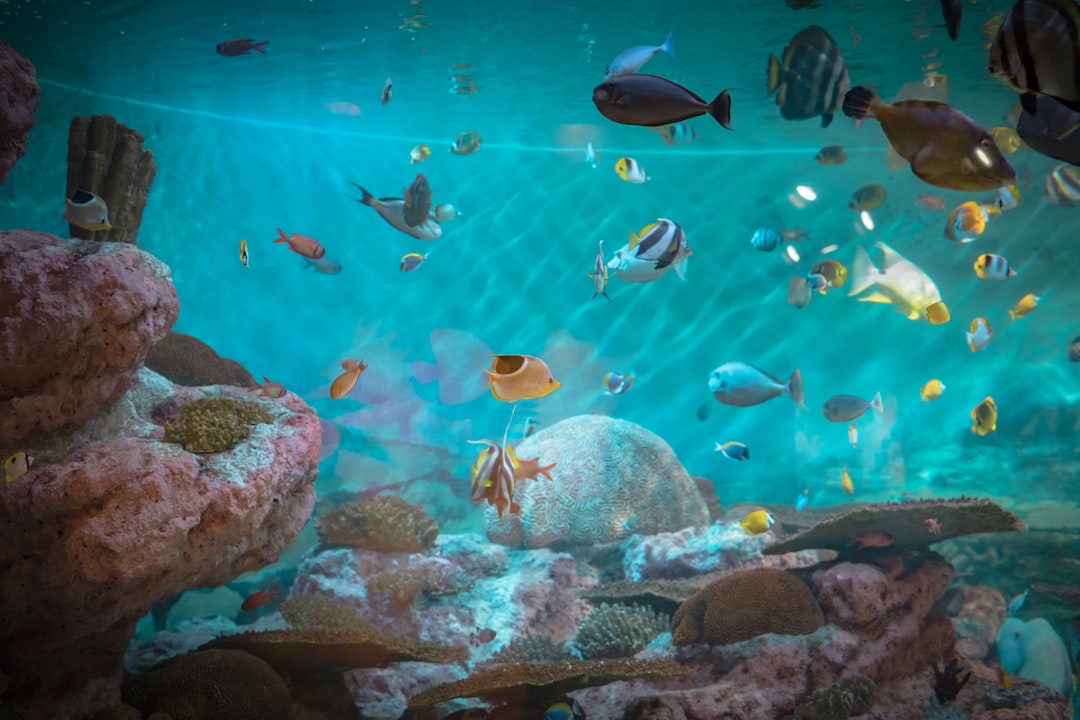
Watching fish glide through a beautifully planted tank has a measurable calming effect — reducing blood pressure, easing anxiety, and stimulating gentle conversation among viewers. An aquarium in an elderly care home in Singapore offers all of these therapeutic benefits while adding life and colour to communal spaces. Gensou Aquascaping Singapore, with over 20 years of hands-on experience at 5 Everton Park, has installed and maintained tanks in care facilities across the island.
Therapeutic Benefits for Elderly Residents
Research published in journals like Environment and Behavior consistently shows that aquarium viewing reduces agitation in dementia patients and lowers cortisol levels in stressed individuals. Residents who sit near a tank during mealtimes tend to eat more and engage in longer conversations with tablemates.
For elderly Singaporeans, many of whom grew up near kampung ponds or coastal villages, an aquarium can trigger positive memories. Familiar species like gouramis, goldfish, and Betta splendens often spark stories and social interaction — valuable outcomes in care environments where loneliness is a genuine concern.
Choosing the Right Tank Size and Placement
A 120–200 litre tank strikes the ideal balance between visual impact and manageable maintenance. Larger tanks are more stable — water parameters fluctuate less, and fish have space to display natural behaviour. Position the aquarium in a communal lounge or dining area at seated eye level, roughly 80–90 cm from the floor, so wheelchair-bound residents can enjoy it comfortably.
Avoid placing tanks in corridors where foot traffic and trolley bumps risk damage. Ensure the stand can handle the weight — a 200-litre tank fully set up weighs approximately 250 kg. Older building floors in Singapore’s care homes may need an engineer’s assessment for loads above 300 kg.
Best Fish Species for Care Home Aquariums
Select colourful, active, and hardy species that residents can easily see and distinguish. Fancy goldfish are perennial favourites — their flowing fins and bright orange hues captivate attention. Platies, mollies, and swordtails provide constant movement and occasionally breed, giving residents something new to observe.
Avoid aggressive or shy species. Oscars, large cichlids, and nocturnal catfish either cause distress when fighting occurs or remain hidden, defeating the purpose. A peaceful community of eight to twelve medium-sized, brightly coloured fish works best.
Low-Maintenance Setup Considerations
Care home staff are busy. The aquarium must be as close to self-sustaining as possible between professional maintenance visits. Use a canister filter rated for twice the tank volume — this extends the interval between media cleanings. An automatic feeder dispensing two small meals daily removes the most common source of human error.
Live plants like Anubias, java fern, and Echinodorus species add beauty without high-tech demands. They thrive under moderate LED lighting on a simple timer, require no CO2 injection, and help absorb nitrates between water changes.
Safety and Accessibility
Ensure the tank has a secure lid — open-top aquascapes look stunning but risk curious hands reaching in or objects falling into the water. Rounded-edge stands eliminate injury hazards for residents with limited mobility. All electrical cables should be concealed within trunking, and power points placed behind or above the unit, inaccessible to wandering residents.
Use tempered glass or acrylic panels if the tank sits in a high-traffic area. Acrylic is lighter and virtually shatter-proof, though it scratches more easily. A protective railing at 50 cm from the tank prevents walking frames and wheelchairs from bumping directly into the glass.
Maintenance Schedule for Care Homes
Professional servicing every two weeks is the recommended minimum for institutional aquariums. Each visit should include a 30 % water change, glass cleaning, filter inspection, and a health check on all livestock. Monthly visits are acceptable for well-established tanks with low bioloads, but fortnightly keeps the display pristine.
Budget approximately $150–$300 per month for professional maintenance in Singapore, depending on tank size and service provider. Gensou Aquascaping offers tailored care-home packages that include livestock replacement and emergency call-outs.
Getting Buy-In From Management
Present the aquarium as a wellness initiative, not merely a decoration. Reference published studies, propose a trial period, and offer to handle all logistics including installation, stocking, and ongoing care. Many elderly care homes in Singapore that initially hesitated have found aquariums become the most talked-about feature among residents and visiting families alike.
Related Reading
- Aquarium for Preschools in Singapore: Safe, Fun and Educational
- Aquarium for Airbnb Hosts in Singapore: Guest Experience Upgrade
- Aquascape for Spa Treatment Rooms in Singapore: Serenity by Design
- Best Rimless Aquarium Tank Brands: ADA, ANS and Budget Options
- Aquarium Hobby on a Budget: Complete Setup Under $100 SGD