Aquarium for Preschools in Singapore: Safe, Fun and Educational
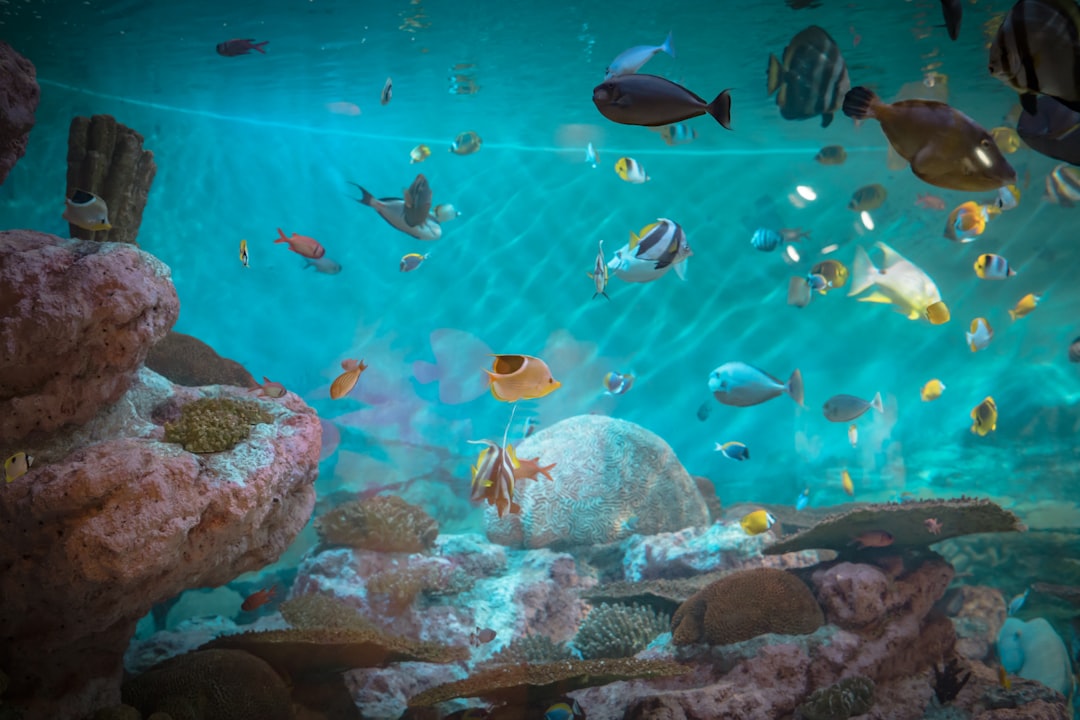
Young children are naturally fascinated by fish — the colours, the movement, the miniature underwater world. An aquarium in a preschool in Singapore transforms passive observation into active learning, teaching responsibility, biology, and empathy through daily interaction. This guide from Gensou Aquascaping Singapore, with over 20 years of hands-on experience at 5 Everton Park, covers everything from species selection to childproofing.
Educational Value of a Classroom Aquarium
A well-maintained tank supports Singapore’s Early Childhood Development Agency (ECDA) learning frameworks by introducing concepts like life cycles, habitats, and ecosystems in a tangible way. Children who help with supervised feeding learn routine and gentle care. Watching fry grow from birth to adulthood teaches patience and the passage of time.
Teachers report that aquariums serve as effective calming stations for children who need a quiet moment. A three-year-old watching a school of neon tetras weave through plants is practising focus and mindfulness — skills that transfer to other classroom activities.
Choosing the Right Tank
A 60–90 litre tank is ideal for a preschool setting. It is large enough for a stable ecosystem with visible fish, yet small enough that weekly maintenance takes under 30 minutes. Acrylic tanks are safer than glass — they weigh less, resist shattering, and tolerate the inevitable bump from a toy or wayward elbow.
Place the aquarium on a sturdy, low stand at children’s eye level — roughly 50–60 cm from the floor. Ensure the stand is bolted to the wall or weighted at the base to prevent tipping. In Singapore’s preschool environments, safety compliance is paramount, so consult your centre’s operations manager before installation.
Best Fish for Preschool Tanks
Hardy, colourful, and active species work best. Platies, mollies, and guppies are nearly indestructible, tolerate minor parameter fluctuations, and breed readily — giving children the thrill of discovering baby fish. A small group of Corydoras aeneus (bronze corydoras) adds bottom-dwelling interest and teaches children that different species occupy different zones.
Avoid delicate species that require precise parameters. Discus, crystal shrimp, and sensitive tetras are poor choices for an environment where feeding might be inconsistent and water changes occasionally delayed.
Safety and Childproofing
A secure, lockable lid prevents small hands from entering the water. All electrical cables must run through enclosed trunking, with power points positioned behind the tank and inaccessible to children. Use a residual current device (RCD) on the aquarium’s dedicated power point for electrical safety.
Avoid chemical treatments in a preschool tank. If disease occurs, remove affected fish to a separate quarantine tank rather than medicating the display. Keep all maintenance supplies — conditioner, test kits, nets — locked in a storage cupboard accessible only to staff.
Low-Maintenance Species and Plants
Live plants elevate the aquarium from a simple fish bowl to a miniature ecosystem. Java fern, Anubias barteri, and floating Salvinia require no substrate fertilisation, no CO2 injection, and tolerate the moderate lighting typical of classroom setups. They also provide hiding spots that reduce fish stress.
Malaysian trumpet snails and Neritina snails clean algae from glass and decorations, reducing manual maintenance. Children love watching snails glide across surfaces — it becomes another teaching moment about different types of aquatic life.
Integrating the Aquarium Into Lessons
Create a simple observation journal where children draw what they see each week. Use feeding time as a counting exercise — how many fish come to the surface? Introduce basic vocabulary: fins, gills, scales, habitat. Older preschoolers can help measure water temperature with a child-safe digital thermometer, connecting the activity to numbers and science.
Seasonal themes work well too. During Chinese New Year, discuss why goldfish and arowanas symbolise prosperity. These cultural connections resonate strongly in Singapore’s multicultural preschool environment.
Maintenance and Professional Support
Weekly 20 % water changes and fortnightly filter rinses keep a preschool tank healthy. Many centres prefer professional maintenance — budget $100–$200 per month depending on tank size and service frequency. Gensou Aquascaping provides school-specific packages that include livestock health checks and emergency support.
An aquarium preschool Singapore guide would be incomplete without stressing consistency. Fish thrive on routine, and so do children. A well-cared-for tank teaches both species and students that small, regular acts of attention produce beautiful results.
Related Reading
- Aquarium for Elderly Care Homes in Singapore: Calm and Connection
- Aquarium for Airbnb Hosts in Singapore: Guest Experience Upgrade
- Best Aquarium Gift Ideas for Fishkeepers: Useful and Thoughtful
- Aquarium Hobby on a Budget: Complete Setup Under $100 SGD
- Best Aquarium Fish Food: Pellets, Flakes and Frozen Compared