Aquascape for Recording Studios in Singapore: Visual White Noise
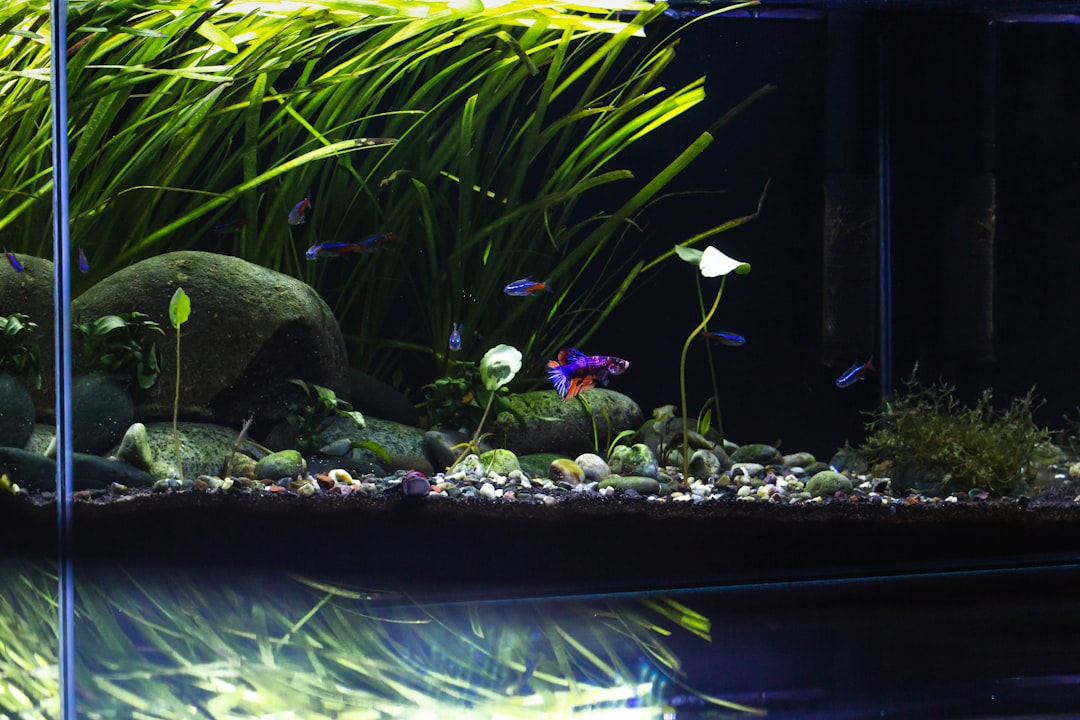
Recording studios are built around silence — every surface engineered to absorb or deflect sound. At first glance, an aquarium seems counterintuitive in this environment. Yet a thoughtfully designed aquascape for a recording studio in Singapore provides a visual anchor that calms artists during sessions without introducing unwanted acoustic interference. Gensou Aquascaping at 5 Everton Park has installed display tanks in creative spaces across Singapore for over 20 years, and studios are among our most rewarding projects.
The Case for an Aquarium in a Studio
Long recording and mixing sessions are mentally exhausting. A living aquatic display in the lounge or control room gives eyes and minds a restorative focal point during breaks. Studies on biophilic design consistently show that watching fish reduces cortisol levels and lowers heart rate — benefits that translate directly into better creative focus when the artist returns to the mic or the console.
For studio owners, a distinctive aquascape also serves as a branding statement. Musicians talk about memorable studio experiences, and an impressive tank becomes part of the studio’s identity — shared on social media and remembered by returning clients.
Noise: The Critical Constraint
Equipment noise must stay inaudible from any microphone position. Standard air pumps, vibrating canister filters, and trickling overflow boxes are all disqualified in a live room. Even in an isolated control room or lounge, noise standards are stricter than a typical home. The solution is silent equipment and strategic placement.
Canister filters mounted on vibration-dampening pads inside a closed cabinet eliminate most mechanical hum. Inline heaters and silent return outlets like submerged lily pipes avoid any splashing or trickling. Air-driven filtration is off the table entirely — no sponge filters, no airstones, no HOB filters with waterfall returns. A fully sealed, canister-driven system is the only viable approach.
Tank Placement
Place the aquarium in the lounge, reception, or behind the control room glass — never inside a live recording room. Even a perfectly silent tank introduces reflective glass surfaces and a water mass that could subtly alter room acoustics if positioned near treatment panels. The lounge is the natural home: visible during breaks, acoustically isolated from tracking spaces, and accessible for maintenance without disrupting sessions.
Wall-recessed installations work exceptionally well in studios. The tank becomes a window into an aquatic world, framed flush with the wall treatment, and all equipment hides in a service corridor or utility room behind the wall.
Aquascape Style for Creative Spaces
Studios are visually distinctive spaces — exposed brick, acoustic foam, vintage gear, neon signage. The aquascape should complement rather than clash. Nature-style layouts with driftwood and lush green plants suit organic, bohemian studios. Minimalist hardscape-only tanks with dramatic stone and sand work in modern, clean-lined facilities. Dark backgrounds and warm lighting tie the display into studio ambience without drawing focus away from the work environment.
Avoid overly busy layouts with too many colours or species. A simple composition — a single branching wood piece, a carpet of Eleocharis, and a school of cardinal tetras — delivers impact through restraint.
Fish Selection: Calm and Quiet
Surface splashers and aggressive feeders create audible disturbance during quiet moments. Gentle mid-water swimmers — cardinal tetras, ember tetras, harlequin rasboras — move silently and create soothing visual rhythm. Bottom dwellers like Corydoras habrosus add activity without surface disturbance. Avoid species that gulp air at the surface, such as gouramis and bettas, as the repeated surface breaks create faint but perceptible sound in a near-silent room.
Lighting and Mood Integration
Studio lighting is deliberately controlled — dimmable, often coloured, always intentional. Match the aquarium light to the room’s mood. Warm-white LEDs on a gradual dimmer curve complement most studio aesthetics. Some installations we have done include RGB LED strips behind frosted back panels that sync loosely with the studio’s ambient lighting — blues during evening sessions, warmer tones during daytime tracking.
Keep the light on a timer independent of studio operations. The tank should glow gently whether someone is present or not, maintaining a stable photoperiod for plant health and fish circadian rhythm.
Maintenance Scheduling
Studio schedules are irregular — sessions can run from early morning to past midnight. Coordinate maintenance windows with the studio manager to avoid clashing with booked sessions. A fortnightly visit during a known downtime slot — Tuesday mornings, for example — keeps the tank immaculate without disrupting workflow.
At Gensou Aquascaping, we manage several studio installations in Singapore with tailored maintenance contracts. The combination of living art, biophilic calm, and acoustic sensitivity makes these projects uniquely challenging and deeply satisfying to execute well.
Related Reading