
Aquascape for Boutique Hotel Rooms in Singapore: In-Room Serenity
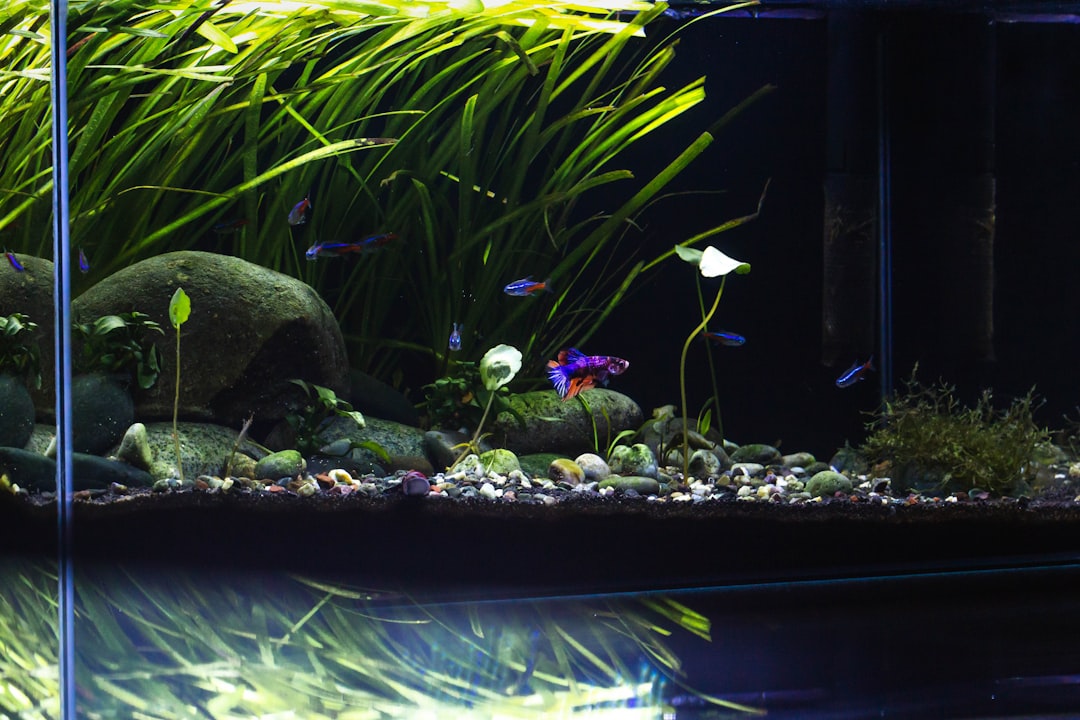
Boutique hotels in Singapore compete on experience — every detail curated to surprise and delight guests. A living aquascape inside the room itself pushes that experience into territory no printed artwork or designer lamp can match. This guide to creating an aquascape for a boutique hotel room in Singapore comes from Gensou Aquascaping at 5 Everton Park, where we have over 20 years of experience designing aquatic installations for commercial hospitality spaces.
Why an In-Room Aquarium Works
Guests at boutique hotels expect the unexpected. A beautifully lit aquascape visible from the bed or bathtub creates an immediate emotional response — calm, fascination, a sense of luxury. Online reviews frequently highlight unique room features, and a living aquarium is inherently photogenic and shareable. In a market where Keong Saik, Duxton, and Tiong Bahru properties jostle for Instagram visibility, a signature tank becomes a genuine differentiator.
Beyond marketing, the biophilic effect is real. Guests exposed to natural elements sleep better, report higher satisfaction scores, and are more likely to return. An aquarium delivers these benefits in a compact, controllable format that suits Singapore’s tight hotel footprints.
Tank Size and Placement
Hotel rooms are compact — 18–30 square metres in most Singapore boutique properties. A nano tank of 30–60 litres strikes the balance between visual impact and spatial footprint. Wall-recessed installations are ideal, with the tank face flush with the room wall and all equipment accessed from a service corridor or utility cupboard behind. This approach maximises room space and eliminates visible equipment entirely.
Position the tank where guests naturally rest their gaze: beside the bed, opposite the soaking tub, or integrated into the headboard wall. Ceiling-recessed or floor-embedded tanks are dramatic but significantly increase installation complexity and cost — reserve them for flagship suites.
Aquascape Style: Simple and Refined
Hotel room aquascapes must read instantly. Guests are not aquarium hobbyists — they will not study intricate plant details or identify species. A clean, striking composition works best: a single piece of sculptural driftwood on white sand, a trio of dark stones with a carpet of glossy green, or a minimalist iwagumi with one dominant rock. Complexity gets lost; simplicity impresses.
Avoid colourful artificial decorations, plastic plants, or novelty items. The aquascape must match the hotel’s design language — refined, intentional, and authentic. Natural materials only.
Fish and Livestock Choices
Select hardy, peaceful species that tolerate the slight parameter fluctuations inevitable in a hotel setting where daily maintenance is not always feasible. Neon tetras, ember tetras, and endler’s livebearers are colourful, resilient, and active enough to captivate guests without demanding expert care. Neocaridina shrimp add movement and interest at a micro scale.
Avoid species prone to disease, aggression, or jumping. A dead fish in a hotel room is a guest complaint waiting to happen. Stock conservatively — five to eight small fish in a 40-litre tank maintains visual interest with low bioload and minimal risk.
Noise and Guest Comfort
Hotel rooms demand near-silence at night. Filter hum that a hobbyist tolerates at home becomes a sleep-disrupting annoyance for a paying guest. Specify the quietest canister filter available — Eheim Classic and Oase BioMaster series are known for near-silent operation. Eliminate air pumps entirely. Submerge all returns below the waterline to prevent trickling sounds. Test the installed system at night in a quiet room before the first guest arrives.
Vibration isolation pads beneath the filter and tank stand prevent mechanical resonance from transmitting through furniture or wall panels. In Singapore’s concrete-framed hotels, structural vibration is less of an issue than in timber-framed buildings, but isolation remains good practice.
Maintenance Logistics
Housekeeping staff should not handle aquarium maintenance — contamination risk and equipment unfamiliarity make this impractical. A dedicated aquarium maintenance contractor visits each room on a fixed schedule, ideally during turnover between guests. Fortnightly glass cleaning, water changes, and health checks keep the display pristine. Auto top-off units compensate for evaporation between visits.
Stock a small emergency kit in the service corridor: dechlorinator, a spare heater, replacement filter media, and a fish net. Quick response to any issue prevents guest-facing problems. At Gensou Aquascaping, our commercial maintenance contracts include emergency call-outs for hotel clients — because a malfunctioning tank in an occupied room cannot wait for a scheduled visit.
Cost and Return on Investment
A wall-recessed nano installation costs approximately $1,500–$4,000 per room including tank, equipment, livestock, and initial aquascaping. Monthly maintenance per tank runs $80–$150. For a boutique hotel charging $250–$500 per night, the incremental nightly cost of the aquarium is negligible — less than $5 per room night — yet the perceived value it adds to the guest experience is substantial.
Hotels that have added aquarium features report measurable increases in direct bookings driven by social media exposure. In Singapore’s competitive boutique hotel market, that organic visibility carries real commercial weight. A living aquascape is not a frivolous luxury — it is a strategic amenity with tangible returns.
Related Reading



