
Freshwater to Marine: A Step-by-Step Transition Guide for Hobbyists
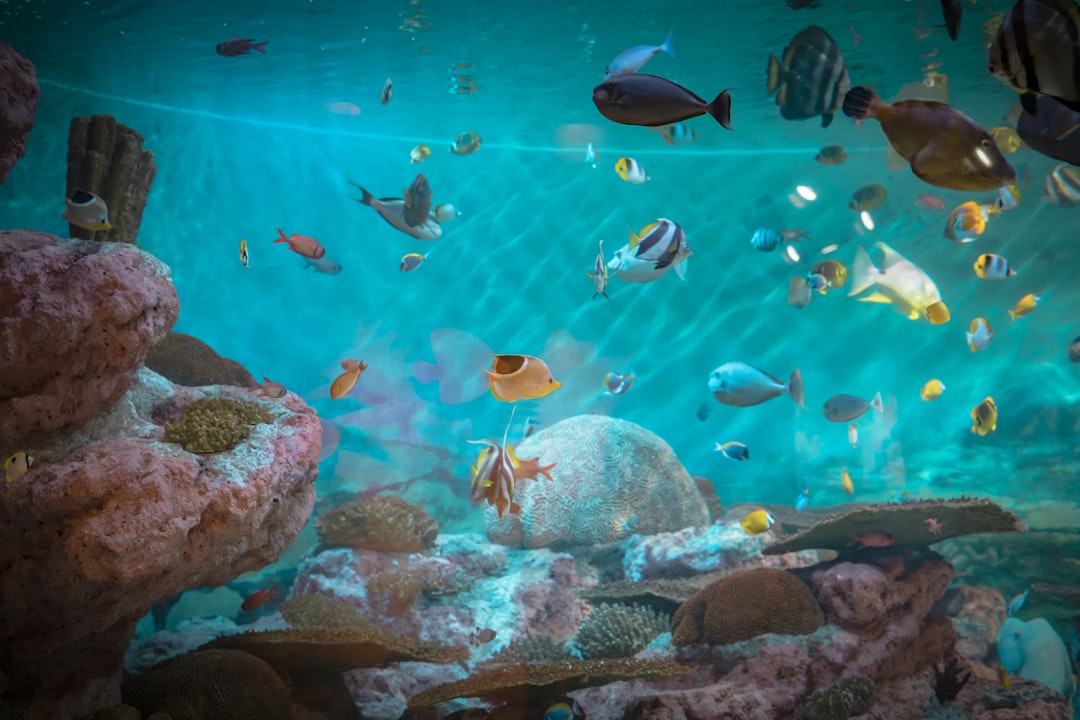
You have mastered the freshwater nitrogen cycle, your planted tank is thriving and now the ocean is calling. Making the leap from fresh to salt is one of the hobby’s most exciting milestones — and also one of its most daunting. This freshwater to marine transition guide from Gensou Aquascaping Singapore walks you through the key differences, new equipment needs and mindset shifts that will set you up for success rather than frustration.
What Your Freshwater Experience Already Gives You
More than you might think. Water change discipline, an understanding of biological filtration, patience during cycling and the ability to spot early signs of stress in fish — these transferable skills put you ahead of someone starting marine with no aquarium background at all. The nitrogen cycle works the same way in saltwater. Your test kit habits, your siphoning technique and your respect for stable parameters all carry over directly.
Key Differences Between Freshwater and Marine
Salinity is the obvious one — maintaining specific gravity at 1.024-1.026 using a refractometer becomes a core routine. But the deeper differences lie in water chemistry. Marine tanks require higher alkalinity (7-11 dKH), calcium (380-450 ppm) and magnesium (1,250-1,350 ppm) to support coral and coralline algae growth. These parameters rarely matter in freshwater. You will also encounter new equipment: protein skimmers, wavemakers, dosing pumps and RO/DI units, each serving a function that has no direct freshwater equivalent.
Choosing Your First Marine Setup
Start with a fish-only-with-live-rock (FOWLR) system or a soft coral reef. Both are more forgiving than an SPS-dominated tank, which demands precise lighting, flow and chemistry. A 120 to 200-litre tank is ideal for a first marine setup — large enough to maintain stable parameters but small enough to manage comfortably. Nano all-in-one tanks in the 40-60-litre range are tempting but less forgiving of mistakes because small water volumes amplify parameter swings.
Essential New Equipment
You will need a protein skimmer to remove dissolved organic compounds before they break down into nitrate and phosphate. A refractometer (not a swing-arm hydrometer) provides accurate salinity readings. An RO/DI unit produces purified water for mixing saltwater and topping off evaporation — PUB tap water, while excellent for freshwater tanks, contains silicates and phosphates that fuel nuisance algae in marine setups. Wavemakers create the turbulent flow that corals need for nutrient exchange and waste removal, replacing the gentle directional flow of a freshwater filter outlet.
Budget $400-800 SGD for these marine-specific additions on top of whatever equipment you can repurpose from your freshwater setup. Heaters, timers and some lighting may carry over; pumps and filtration generally will not.
Cycling a Marine Tank
The process mirrors freshwater cycling but uses saltwater mixed to the correct specific gravity. Seed the tank with dry rock and a small piece of cured live rock or a bottled bacterial starter. Ammonia and nitrite will spike and fall over four to six weeks. Use this time to plan your stocking list, research compatibility and resist the temptation to add fish too early. Many transition hobbyists rush this stage because they are impatient — having “done it before” in freshwater. Marine cycling rewards the same patience.
Your First Marine Livestock
Hardy, beginner-friendly species ease the transition. Ocellaris clownfish, green chromis, firefish gobies and royal grammas are all excellent starter fish that tolerate minor parameter fluctuations. For cleanup crews, start with hermit crabs and turbo snails to manage early algae blooms. Introduce corals only after parameters have been stable for at least two months — soft corals like mushrooms, zoanthids and green star polyps are the most forgiving entry point.
Common Mistakes During the Transition
Overfeeding tops the list — marine fish need less food than many freshwater species, and excess nutrients fuel algae explosions in a young tank. Using tap water instead of RO/DI water is another frequent misstep. Skipping quarantine because “the fish looked fine at the shop” invites marine ich (Cryptocaryon irritans), which is more persistent and harder to treat than its freshwater counterpart. Finally, buying coral before understanding lighting requirements leads to bleaching and wasted money. Research first, purchase second.
Keeping Your Freshwater Tank Running
There is no rule that says you must choose one or the other. Many hobbyists in Singapore maintain both a planted freshwater tank and a marine reef simultaneously. Your freshwater setup can even serve as a quarantine or hospital tank in emergencies, provided you adjust salinity carefully. The two branches of the hobby complement each other and keep your skills sharp across different disciplines.
Related Reading



