
Best Live Rock and Dry Rock for Marine Aquariums
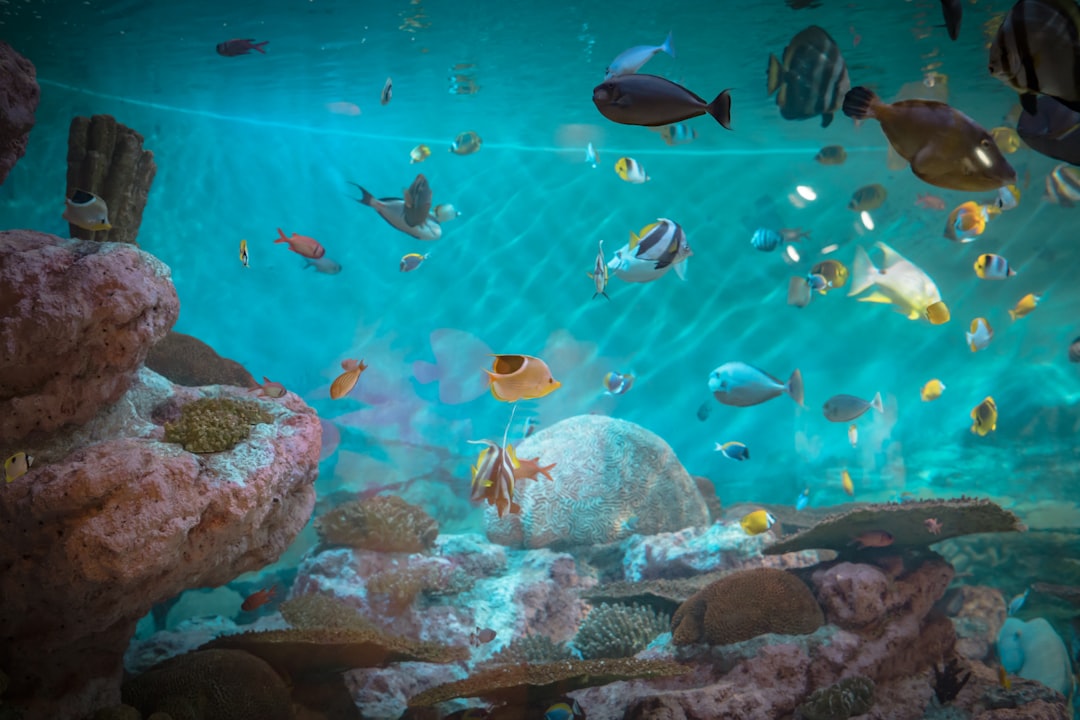
Rock is the backbone of every marine aquarium — it provides biological filtration, structure for coral placement and territory for fish. Deciding between the best live rock dry rock marine aquarium options involves trade-offs between cost, convenience and biological readiness. Gensou Aquascaping Singapore has built hundreds of reef systems using both types, and the right choice depends on your budget, timeline and aquascaping ambitions.
Live Rock: What It Is and Why It Matters
Live rock is harvested from ocean reefs or maricultured in coastal waters, arriving colonised with beneficial bacteria, coralline algae, sponges, micro-fauna and sometimes hitchhiking organisms. Its porous internal structure provides enormous surface area for nitrifying and denitrifying bacteria — the biological engine that processes ammonia, nitrite and nitrate. A well-cured piece of live rock can seed a new tank with a mature bacterial colony, significantly shortening the cycling period.
However, live rock also brings risks. Unwanted hitchhikers — mantis shrimp, bristle worms, aiptasia anemones and flatworms — can enter your system undetected. Thorough inspection and a quarantine dip in tank-temperature saltwater help, but some stowaways are nearly impossible to spot before they emerge weeks later.
Dry Rock: The Clean Slate
Dry rock (also called base rock or dead rock) is porous calcium carbonate rock that has been dried and cured until all biological material has died off. It is pest-free, lightweight, easy to aquascape and significantly cheaper than live rock — typically $3-8 SGD per kilogram compared to $12-25 for quality live rock in Singapore. Popular types include Marco Rock, Reef Saver and various Indonesian reef rock sold by the kilogram at local marine shops and on Shopee.
The trade-off is time. Dry rock has no established bacterial colony, so you will need to cycle the tank fully before adding livestock. Coralline algae takes months to colonise dry rock surfaces, meaning your aquascape will look bare and white initially. Seeding with a small piece of cured live rock or a bacterial starter product accelerates colonisation.
Comparing Cost and Quantity
The general guideline is 0.5-1 kg of rock per litre of tank volume for adequate biological filtration and aquascaping mass. A 200-litre tank needs roughly 10-20 kg. At dry rock prices, that costs $30-160 SGD. The same quantity of live rock runs $120-500. For budget-conscious hobbyists, a hybrid approach works well: build the bulk of your structure with dry rock and add 2-3 kg of premium live rock to seed the system with bacteria and coralline spores.
Aquascaping With Rock
Dry rock is easier to aquascape because you can work with it outside the tank, take your time arranging structures and even drill and epoxy pieces together without worrying about keeping organisms alive. Create open structures with arches and overhangs that allow water to flow through the rockwork — dead spots behind dense walls of rock trap detritus and promote anaerobic pockets. Use reef-safe epoxy or cyanoacrylate gel to bond pieces securely. A stable structure resists toppling from strong wavemaker flow or digging fish.
Live rock can be shaped and stacked similarly, but work quickly once it is out of water — extended air exposure kills surface organisms. Position live rock where you want coralline algae to be most visible, such as upper sections and areas near the viewing panel.
Curing Live Rock Before Use
Freshly shipped live rock often arrives with die-off — dead sponges, organisms that perished during transit. Placing uncured rock directly into a display tank causes ammonia spikes that can kill fish and corals. Cure live rock in a separate container with a powerhead, heater and regular water changes over one to three weeks until ammonia reads zero. The process smells unpleasant but is non-negotiable for livestock safety.
Artificial and Ceramic Alternatives
Engineered biological media like MarinePure blocks and ceramic rock substitutes offer extremely high surface area in a compact form. They work well in sumps and refugiums as supplementary filtration but lack the visual appeal of natural rock for display purposes. Some hobbyists use them as hidden core structures inside the aquascape, layering natural dry rock or live rock over the top for aesthetics while maximising biological capacity within.
Our Recommendation
For most Singapore hobbyists starting a marine tank, a dry rock base with a small live rock seed is the most practical and economical approach. You get a pest-free, fully customisable aquascape at a fraction of the cost, with the biological seeding benefits of live rock where it counts most. Patience during the initial colonisation period pays dividends — within three to six months, your dry rock will be purple with coralline algae and indistinguishable from rock that started live.
Related Reading



