
Best Powerheads for Reef Tanks: Flow Patterns That Corals Love
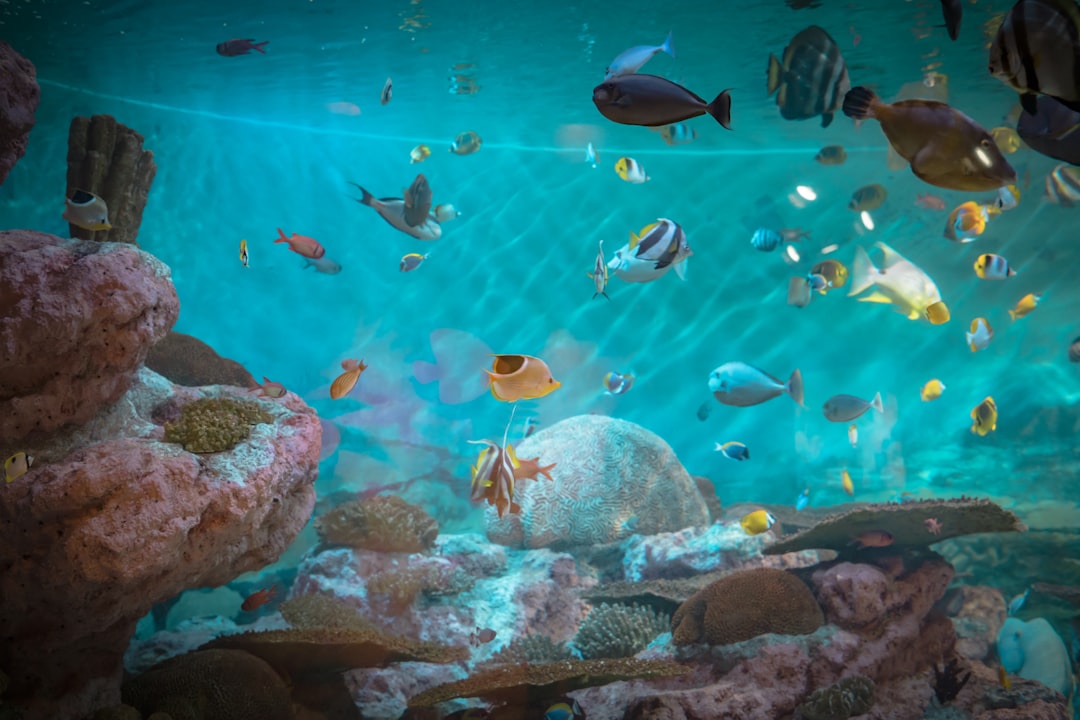
Corals evolved in ocean currents, not still water, so choosing the best powerhead reef tank flow setup is one of the most important decisions you will make for your reef. At Gensou Aquascaping Singapore, we have designed flow systems for tanks ranging from 20-litre nanos to 600-litre display reefs, and the difference proper circulation makes to coral colour, growth and polyp extension is dramatic. Getting flow right also reduces dead spots where detritus settles and nuisance algae thrive. This guide sits inside our broader Saltwater Reef Tank Master Guide reference.
Understanding Flow Types
Laminar flow moves in a straight line — useful for targeting specific areas but harsh on delicate corals if too strong. Turbulent flow changes direction randomly, mimicking natural reef conditions. Most modern wavemakers produce a wide, gentle pattern that blends both. For a mixed reef, turbulent and alternating flow patterns keep all corals happy without blasting any single colony.
How Much Flow Do You Need
A general guideline is 20–40 times your tank volume per hour for mixed reefs. A 100-litre tank benefits from 2,000–4,000 litres per hour of total turnover. SPS-dominant setups lean toward the higher end, while soft corals and LPS prefer gentler movement. Aim for visible polyp sway without corals bending flat against the rock.
Top Powerhead Picks
Maxspect Gyre pumps create a unique cross-flow pattern that covers wide tanks evenly. Prices start around $180 SGD for the XF130 model. EcoTech VorTech MP series remains a favourite among serious reefers — the MP10 suits tanks up to 150 litres and costs approximately $350–$400 SGD. For budget-conscious hobbyists, Jebao wavemakers deliver surprisingly good performance from $40–$80 SGD and are widely available on Shopee and Lazada. Tunze Turbelle nanoStream pumps, priced around $100–$150 SGD, are whisper-quiet and perfect for bedroom setups common in HDB flats.
Placement Strategy
Position powerheads on opposite sides of the tank, angled slightly toward each other. This creates a collision zone in the centre that produces random, turbulent flow. Avoid pointing flow directly at the sand bed — it stirs up particles and clouds the water. Mounting pumps near the surface generates gentle surface agitation that improves gas exchange without creating a whirlpool effect.
Controllable vs Fixed Speed
Controllable pumps with wave modes, pulse modes and feed timers justify their higher price within weeks. A feed mode that reduces flow for ten minutes lets food reach fish and corals instead of being swept into the overflow. Night mode lowers intensity while you sleep, mimicking calm lagoon conditions. Fixed-speed pumps work for simple setups but lack this versatility.
Maintenance in Singapore’s Climate
Calcium and coralline algae encrust pump impellers faster in warm water. Clean powerheads monthly by soaking in a 50/50 white vinegar and water solution for two hours, then scrubbing the impeller with a soft brush. Neglected pumps lose flow gradually — you might not notice until corals start receding. Set a calendar reminder and stick to it.
Noise Considerations
In compact Singapore living spaces, pump noise matters. Magnetic-mount pumps like the VorTech and Tunze range transmit less vibration to the glass than suction-cup models. Placing a thin silicone pad between the magnet and glass further dampens any hum. Test your pump on the first night — what seems quiet during the day can feel loud at 2 am in a studio apartment.
Related Reading



