
Marine Aquascape Negative Space: Why Less Rock Means More
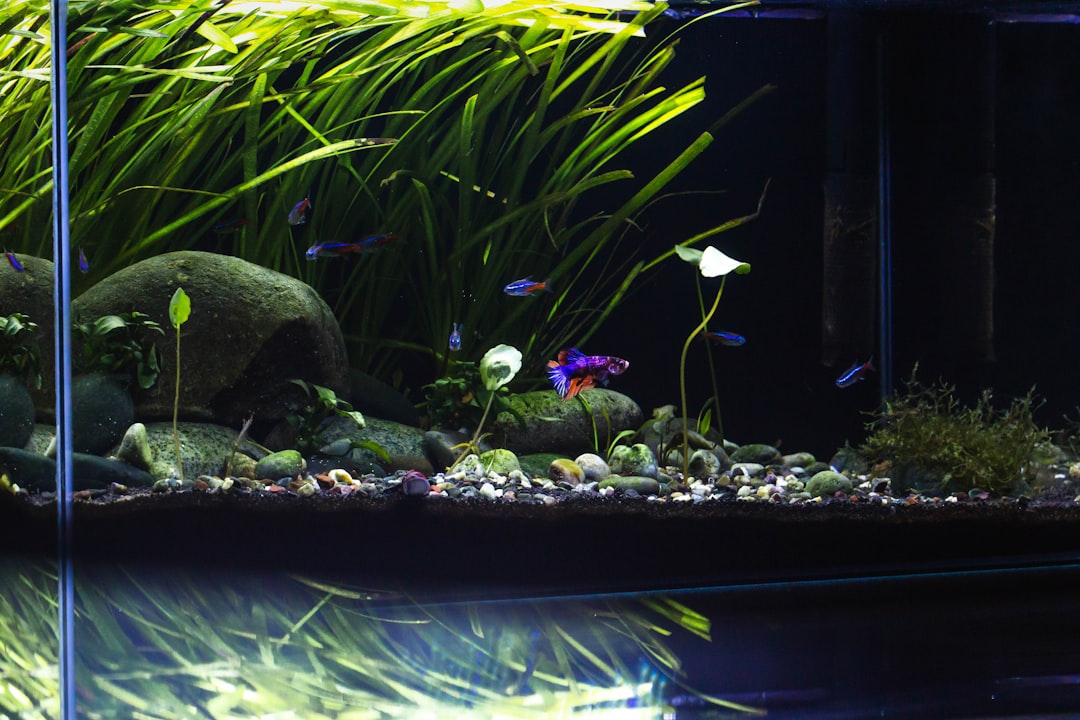
Sometimes the most powerful element in a reef tank is what you leave out. Marine aquascape negative space design is the deliberate use of open water, bare sand and gaps within rockwork to create visual depth and drama. At Gensou Aquascaping Singapore, we have spent over 20 years refining this less-is-more approach, and our most admired builds consistently feature more open space than stone. If your tank feels crowded despite having beautiful rock and corals, negative space is likely what is missing.
What Negative Space Actually Means
In art and design, negative space is the empty area surrounding the subject. In a reef aquascape, it is the open water between rock formations, the bare sand visible at the base and the gaps and windows within the structure itself. These voids are not wasted space — they direct the viewer’s eye, make rock formations appear more substantial and give fish room to swim naturally. A tank crammed with stone looks chaotic; one with intentional voids looks composed.
The 60-40 Rule
Aim for roughly 60 per cent open space and 40 per cent hardscape. This ratio works across tank sizes, from 20-litre pico reefs to 400-litre display systems. Weigh your rock before placing it — for most dry rock, 1–1.2 kg per 10 litres of total tank volume hits this sweet spot. Going lighter feels counterintuitive when you have bags of beautiful rock on hand, but restraint pays off once corals begin to grow and fill the structure.
Benefits Beyond Aesthetics
Open layouts improve water circulation. Powerheads can reach every corner of the tank without being blocked by dense rockwork, reducing dead spots where detritus settles and nuisance algae bloom. Fish benefit too — tangs, wrasses and gobies need swimming lanes, not obstacle courses. Maintenance becomes easier when you can access all sides of the rock with a scraper and siphon without dismantling the entire scape.
Creating Depth With Gaps and Windows
Punch holes through your rockwork by selecting pieces with natural tunnels or by drilling with a masonry bit. A window in the centre of a formation lets light pass through, creating an illusion of depth that flat walls of rock cannot achieve. Position a small blue or purple LED behind the structure to backlight these openings during evening viewing — it is a technique we use in many of our Singapore display installations and the effect is striking.
Island Scapes and Floating Shelves
An island scape places a single rock formation in the centre or off-centre, surrounded entirely by open sand. This maximises negative space and produces a naturally dramatic look. Floating shelves — rock platforms elevated on thin supports — add visual lightness. The shadow beneath a floating shelf creates the impression of hovering stone, a technique borrowed from Japanese iwagumi freshwater design but equally powerful in marine tanks.
Coral Growth and Negative Space
Corals fill space over time. An SPS colony that starts as a 5 cm frag can spread to 20 cm or more within two years. If you start with tight gaps, corals merge into an indistinct mass. Leave generous spacing — 8–10 cm between colonies — so each piece retains its individual form as it matures. The negative space you create today is the canvas your corals will paint over the coming months and years.
Practical Application for Singapore Tanks
Space-conscious hobbyists in HDB flats and condos often want to maximise visual impact from a small tank. Ironically, using less rock achieves this better than packing the tank full. A 60-litre cube with a single elevated island formation and a clean sand bed looks far more impressive than the same tank stuffed with 8 kg of rock. This approach also reduces initial cost — less rock to buy, fewer corals needed to fill the structure and less salt mix consumed during water changes because the actual water volume is higher.
Related Reading



