Saltwater Aquarium Myths Debunked: What New Reefers Get Wrong
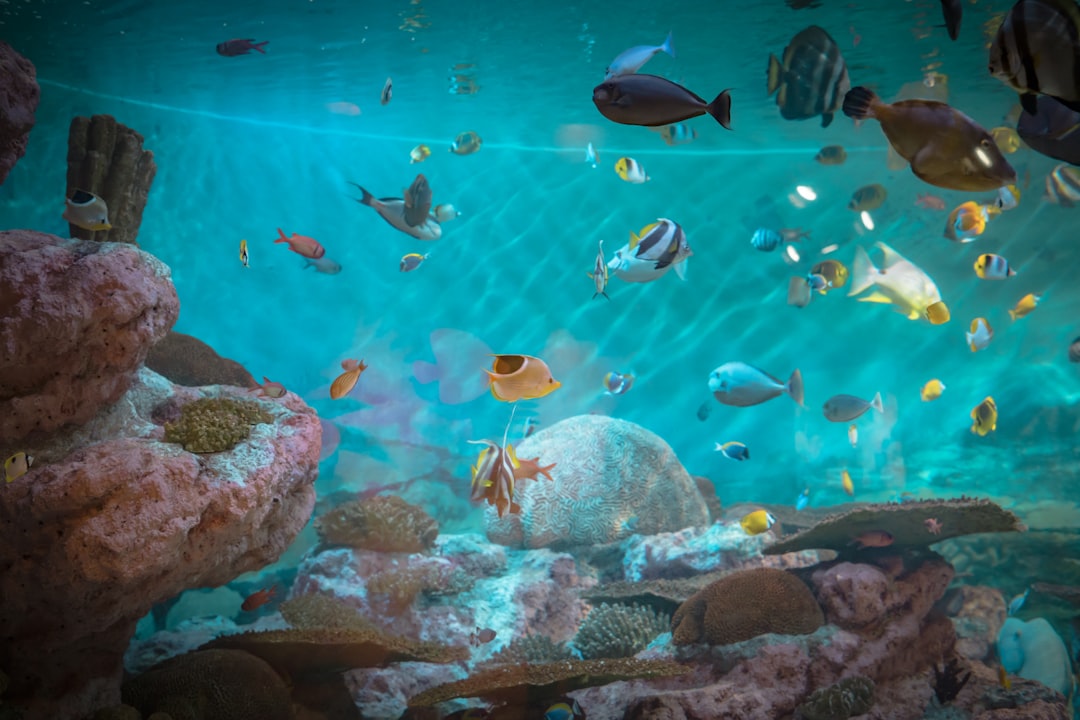
Misinformation keeps more people out of reef keeping than any actual difficulty. This saltwater aquarium myths debunked guide tackles the most persistent misconceptions we encounter when advising hobbyists across Singapore. Gensou Aquascaping Singapore has been setting up marine tanks for over two decades, and the gap between what people fear and what the hobby actually demands continues to surprise us.
Myth: Saltwater Tanks Are Impossibly Expensive
The belief that marine aquariums require thousands of dollars just to start is outdated. A nano all-in-one reef tank with built-in filtration and LED lighting can be purchased for $250 to $400 SGD in Singapore. Salt mix, a refractometer, test kits, and a small cleanup crew add another $100 to $150 SGD. A functional beginner reef setup is absolutely achievable for under $600 SGD — comparable to a well-equipped planted freshwater tank. Running costs are higher than freshwater, primarily due to salt mix and RO water, but the monthly difference is typically $30 to $50 SGD, not the hundreds that myth suggests.
Myth: You Need a Massive Tank for Saltwater
Many beginners assume marine fish need 400-litre tanks minimum. In reality, nano reef tanks of 40 to 80 litres support thriving ecosystems with soft corals, a pair of clownfish, and a small cleanup crew. Smaller tanks do demand more attention to parameter stability — evaporation in Singapore’s heat means daily top-offs without an ATO — but they are perfectly viable. Some of the most stunning reef tanks we have built for HDB flat owners sit at 60 to 100 litres.
Myth: Water Changes Are Constant and Exhausting
A typical reef tank needs a 10 to 15 per cent water change every one to two weeks. For a 100-litre nano, that is 10 to 15 litres of pre-mixed saltwater — roughly a bucket. Mixing salt takes five minutes, and the change itself takes another ten. This is barely more effort than a freshwater water change. Some advanced reefers with automated dosing and refugiums extend their water change intervals to monthly without issue. The key is consistency, not frequency.
Myth: Marine Fish Die Easily
Wild-caught marine fish are more sensitive to shipping and acclimation stress than farm-raised freshwater species, but once properly quarantined and settled, most popular marine species are remarkably hardy. Clownfish, royal grammas, firefish, and cardinalfish routinely live five to ten years in home aquariums. The perception of fragility usually stems from skipping quarantine, poor acclimation, or adding fish to uncycled tanks — mistakes that would kill freshwater fish too.
Myth: You Cannot Keep Corals Without Expensive Equipment
Soft corals and many LPS species thrive under basic LED lighting that costs $80 to $150 SGD. They do not need calcium reactors, dosing pumps, or high-end controllers. A simple test kit for alkalinity, calcium, and magnesium, plus a two-part dosing solution at $15 SGD per set, covers the mineral demands of a soft coral and LPS tank. The expensive equipment comes into play with SPS-dominant systems, which genuinely require precision — but that is an advanced choice, not a beginner requirement.
Myth: Tap Water Is Fine for Marine Tanks
This one is partially true elsewhere but important to address for Singapore. PUB tap water is clean by global standards, but it contains chloramine and trace silicates that fuel diatom blooms and can stress sensitive corals. Using an RO/DI unit — available for $80 to $150 SGD on Shopee — removes these contaminants and gives you a clean slate for mixing salt. Some hobbyists use tap water successfully for fish-only tanks, but for any system with corals, RO/DI water is strongly recommended.
Myth: Reef Tanks Require Daily Hands-On Maintenance
A well-designed reef tank with an auto top-off, a return pump on a timer, and a basic feeding schedule requires about 15 to 20 minutes of daily attention — feeding, a quick visual check, and glass cleaning every few days. Weekly tasks include testing parameters and topping off two-part solutions. The monthly water change rounds it out. Compare this to a dog that needs walking twice daily, and reef keeping starts to look quite manageable. Automation through dosing pumps and controllers can reduce hands-on time even further.
Myth: You Can Add Everything at Once
Patience remains the single hardest lesson for new reefers. A marine tank needs four to six weeks to cycle before adding the first fish, and corals should wait until parameters are stable for at least two months. Stocking should happen gradually — one or two fish per fortnight at most. Overloading a new system overwhelms biological filtration, spikes ammonia, and creates the exact scenario that feeds the “marine fish die easily” myth. Slow stocking is the foundation of a successful reef.
Related Reading
Saltwater Aquarium Cost Breakdown: Singapore Edition