How to Set Up a Reef Tank in an HDB Flat: Space, Weight and Power
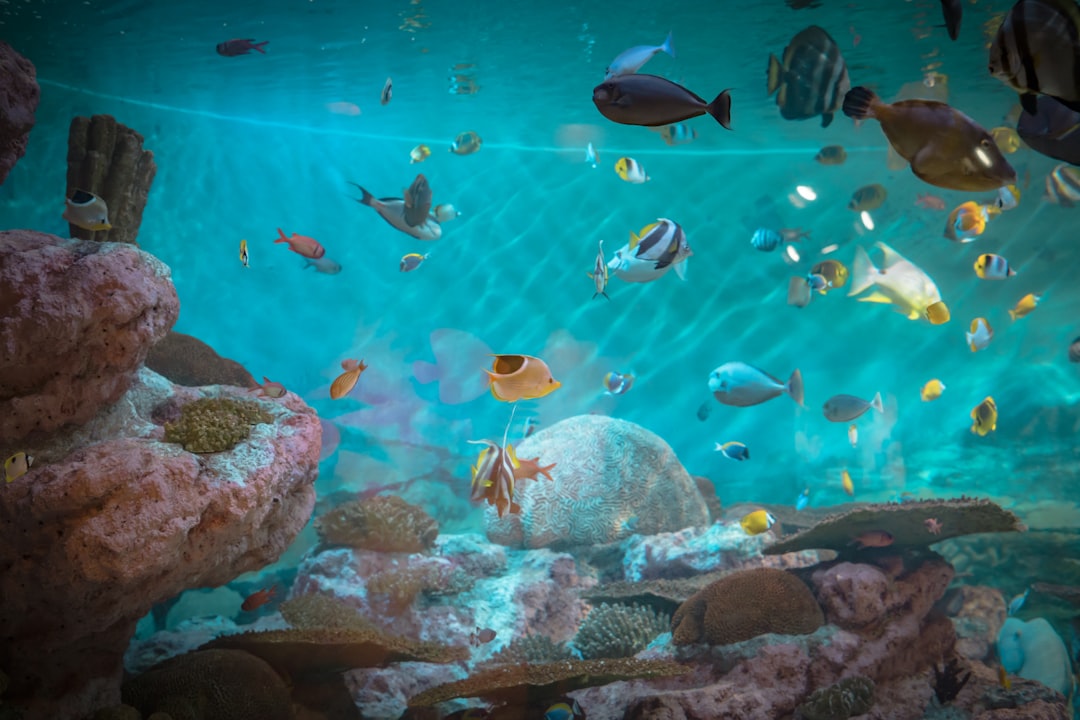
Living in an HDB flat does not mean you cannot keep a stunning reef aquarium — it just means planning smarter. This set up reef tank HDB Singapore guide addresses the real-world constraints of space, structural weight limits, electrical capacity, and noise that every HDB reefer must navigate. Gensou Aquascaping Singapore has designed and installed reef systems in HDB flats across the island, from Tampines to Jurong, and the solutions are more practical than most people expect. This guide sits inside our broader Saltwater Reef Tank Master Guide reference.
Weight Limits and Floor Load
A filled 200-litre aquarium with rockwork, sand, sump, and stand weighs approximately 280 to 320 kg. HDB concrete floors are designed to support a live load of 1.5 kN per square metre (roughly 150 kg per square metre). A typical aquarium stand footprint of 0.5 square metres means you are working with roughly 75 kg of allowable load per the specification — far below the actual weight of a filled tank. In practice, HDB floors are over-engineered and handle standard aquariums without issue, but placing tanks against load-bearing walls or on beams rather than the centre of a room distributes weight more safely.
For tanks exceeding 300 litres, consider the ground floor or place the tank against an external wall where structural support is strongest. If you have any concerns, consult an HDB-licensed contractor who can assess your specific unit.
Choosing the Right Tank Size
Nano all-in-one tanks between 40 and 80 litres are the most popular choice for HDB bedrooms and studies, fitting comfortably on a sturdy desk or small stand. For living rooms, 120 to 200-litre setups offer a proper reef display without dominating the space. Tanks in the 200 to 300-litre range work well as room dividers or feature walls but require a dedicated cabinet stand. Beyond 300 litres, you are entering territory where structural assessment and dedicated electrical circuits become advisable.
Electrical Planning
A typical reef tank draws 200 to 500 watts depending on size, lighting, and equipment. This includes the return pump (15 to 50 W), LED lighting (50 to 200 W), heater (50 to 150 W — though Singapore’s climate rarely demands heating), wavemakers (5 to 30 W each), and a protein skimmer (10 to 25 W). Standard HDB power points on a 13-amp circuit handle this comfortably, but avoid daisy-chaining multiple extension cords. Use a single high-quality surge-protected power strip rated for aquarium use. A dedicated circuit is ideal for tanks above 200 litres — an electrician can install one for $150 to $250 SGD.
Managing Noise in Close Quarters
Noise from return pumps, protein skimmers, and overflow plumbing carries easily through HDB walls. Choose DC-controllable return pumps that run quieter than AC models. Protein skimmers should be placed on vibration-dampening mats inside the sump cabinet. For overflow systems, a Herbie or Bean Animal drain configuration virtually eliminates gurgling — a worthwhile investment when your reef sits in the living room adjacent to bedrooms. If using a hang-on-back setup, ensure the return flow does not create splashing that echoes in a quiet flat.
Dealing with Singapore’s Heat
Ambient temperatures of 28 to 32°C mean most HDB reef tanks run warm without cooling intervention. Reef livestock prefers 25 to 26°C, which creates a gap that must be addressed. A clip-on fan blowing across the water surface provides evaporative cooling of 2 to 4°C and costs under $20 SGD. For more precise control, an aquarium chiller is effective but adds noise, heat output to the room, and $300 to $800 SGD to your setup cost. Many Singapore reefers find that running air conditioning in the room where the tank lives solves the temperature problem entirely — though this increases electricity bills by $30 to $60 SGD per month.
Water Storage and Mixing
Storing RO/DI water and pre-mixed saltwater requires space that HDB flats have in limited supply. A 20-litre jerry can fits under most kitchen sinks or in a bomb shelter and holds enough saltwater for two to three water changes on a nano tank. An RO/DI unit can be connected to your kitchen tap with a quick-disconnect fitting, requiring no permanent plumbing modification — important for rental units. Store the unit in a kitchen cabinet and connect it only when producing water.
Sump vs All-in-One for HDB
All-in-one tanks simplify setup enormously by housing filtration in rear chambers, eliminating the need for a sump, overflow plumbing, and a large cabinet stand. For HDB flats where space and simplicity are priorities, AIO tanks are the practical choice for anything under 100 litres. If you want a sump-based system for its superior filtration and refugium capacity, plan for a cabinet stand that fully encloses the sump to dampen noise and contain any minor leaks — critical in an HDB setting where water damage can affect the unit below.
Related Reading
Best Nano All-in-One Reef Tank