
Red Sea Biotope Aquascape: Anthias, Soft Corals and Warm Current
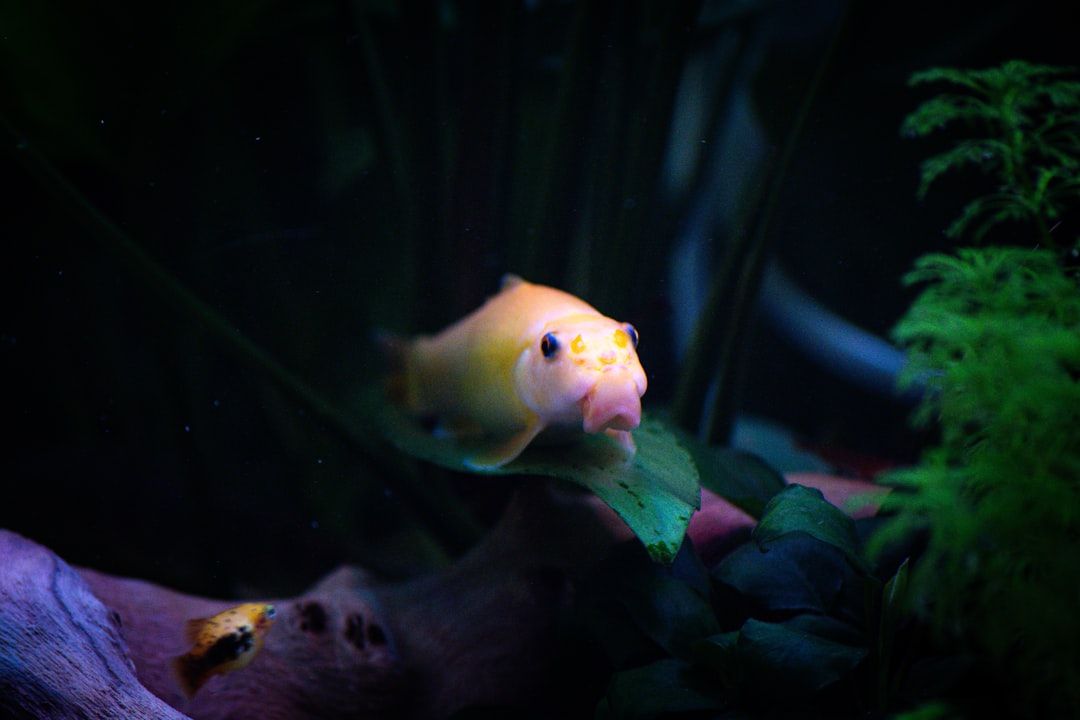
The Red Sea is one of the most biodiverse marine environments on Earth, and its warm, saline waters support coral communities found nowhere else. To aquascape Red Sea biotope marine style is to recreate a specific slice of that ecosystem — endemic anthias shoaling over branching Acropora, soft corals pulsing in gentle current, and a colour palette that ranges from burnt coral to electric violet. At Gensou Aquascaping Singapore, we find biotope work deeply rewarding because it forces you to design with nature’s blueprint rather than a random frag collection.
Understanding the Red Sea Environment
Red Sea reefs experience warm temperatures year-round — 24–28 °C in the north, up to 32 °C in the shallow southern gulfs. Salinity runs high at 40–41 ppt, well above the 35 ppt standard in most reef tanks. The water is exceptionally clear with low nutrient levels, which explains the vivid coral pigmentation Red Sea reefs are famous for. Replicating these conditions in a Singapore home aquarium is surprisingly feasible given our already warm ambient temperatures.
Choosing Red Sea Endemic Species
Stock selection defines a biotope’s authenticity. For fish, the Red Sea is home to stunning endemics: Pseudanthias taeniatus (striped anthias), Pseudocheilinus evanidus (striated wrasse) and the iconic Pygoplites diacanthus (regal angelfish) in its Red Sea colour morph. Anthias should be kept in groups of five or more — one male to four females — to display their natural shoaling behaviour.
For corals, focus on Xenia, Sarcophyton, Sinularia and pulsing Heteroxenia for the soft coral layer. Stylophora pistillata and Pocillopora verrucosa are dominant Red Sea SPS species. Goniopora and Alveopora add a flowing, garden-like quality to the mid-level zones.
Rockwork and Layout
Red Sea reef slopes feature dramatic overhangs, caves and vertical walls. Build your aquascape with a steep back wall that slopes forward, mimicking a reef drop-off. Use dry reef rock with natural crevices and bond it securely with reef cement. The structure should offer shaded caves below — ideal for wrasses and cleaner shrimp — and sun-drenched ridges above for SPS colonies.
A sandbed of fine aragonite, 2–3 cm deep, completes the natural look. Avoid crushed coral substrate, which traps detritus and creates nitrate pockets over time.
Salinity and Water Parameters
For a dedicated Red Sea biotope, consider running salinity at 37–38 ppt rather than the standard 35 ppt. This elevated salinity better represents natural conditions and many Red Sea endemics thrive at these levels. Adjust slowly — raise salinity by no more than 1 ppt per day during the transition. Maintain calcium at 450 ppm, alkalinity at 8–9 dKH and magnesium at 1400 ppm to support robust coral growth at the higher salinity.
Lighting for Red Sea Colour
Red Sea corals display extraordinary pigmentation partly due to intense UV exposure in their natural habitat. A high-quality LED fixture with strong UV and violet channels (400–420 nm) brings out fluorescent greens, pinks and oranges that these corals are selected for. Run peak PAR at 300–400 for the upper rock shelves and 150–200 for the mid-level soft coral zone. A 10-hour photoperiod with gradual ramp suits most Red Sea species.
Flow and Circulation
Red Sea reefs experience moderate, consistent current rather than the chaotic surge of Pacific reefs. Programme your wavemakers for a gentle gyre pattern — one main flow direction with a slow oscillation period of 30–60 seconds. Total turnover of 20–30 times tank volume per hour is sufficient. The soft corals that define this biotope look most natural when they sway gently rather than getting blasted flat.
Bringing It Together in Singapore
Source Red Sea endemic livestock through reputable marine importers in Singapore — several shops along the Serangoon North corridor regularly stock Red Sea fish and corals. Expect to pay a premium for verified Red Sea specimens compared to Indo-Pacific equivalents, but the authenticity is worth it for a dedicated biotope. Label your display with a small plaque noting the biotope region — it educates visitors and elevates the presentation from “reef tank” to “living exhibit.”
Related Reading
Indo-Pacific Reef Biotope Aquascape
Caribbean Reef Biotope Aquascape
Soft Coral Garden Reef Aquascape



