
Redhead Cichlid Care Guide: Vieja Synspilum Central American Beauty
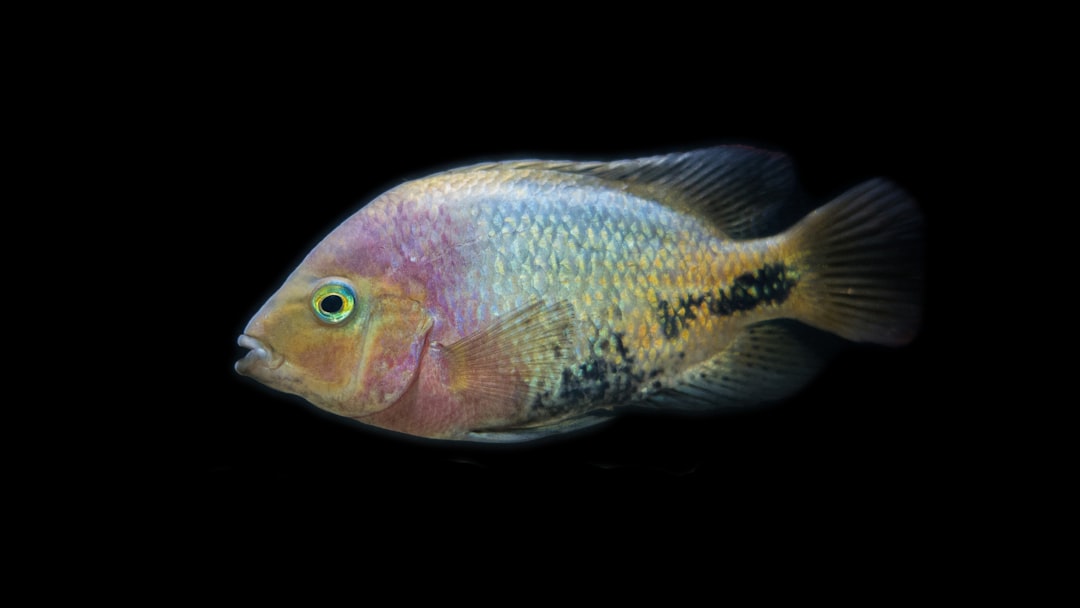
Among Central American cichlids, few match the sheer chromatic impact of Vieja synspilum, the redhead cichlid. This Vieja synspilum cichlid care guide from Gensou Aquascaping at 5 Everton Park, Singapore draws on decades of experience keeping large New World cichlids in tropical conditions. Adults develop a brilliant red head blending into turquoise flanks speckled with dark spots, creating one of the most visually striking cichlids available to hobbyists in the region.
Species Profile
Vieja synspilum hails from the rivers and lakes of Guatemala, Belize and southern Mexico. The species has been reclassified several times and may appear under the names Paraneetroplus synspilus or Cichlasoma synspilum in older references. Adults reach 30 to 35 cm, making them a genuinely large cichlid that commands a spacious tank. Males grow larger and develop more intense head colouration than females, though both sexes display impressive colour when mature.
Tank Size and Environment
A single adult needs at least a 400-litre aquarium, and a breeding pair should have 600 litres or more. Use a sandy substrate or smooth gravel, as these fish enjoy sifting through bottom material for food. Robust decor is essential. Large rocks and heavy driftwood pieces withstand the redecorating tendencies common to all large cichlids. Avoid delicate planted layouts, as V. synspilum will uproot virtually anything not anchored firmly. Hardy plants like Anubias tied to rocks may survive, but consider this a fish-focused rather than plant-focused setup.
Water Parameters
Redhead cichlids prefer slightly alkaline conditions with a pH of 7.0 to 8.0 and moderate hardness. Singapore’s soft PUB tap water benefits from buffering with crushed coral or limestone in the filter. Maintain temperatures between 26 and 30 degrees Celsius, easily achieved without a heater in local conditions. Ammonia and nitrite must remain at zero, with nitrates kept under 30 ppm through regular 30 per cent weekly water changes. Strong canister filtration or a sump system manages the considerable waste output.
Diet and Colour Enhancement
In the wild, V. synspilum is omnivorous with a lean toward herbivory. Offer a base diet of high-quality cichlid pellets supplemented with blanched vegetables such as peas, spinach and zucchini. Spirulina-based foods enhance the green and turquoise tones in the flanks. Occasional treats of prawns, earthworms and frozen bloodworms provide protein variety. Feed adults once or twice daily, offering only what they consume within three to four minutes. The red head colouration intensifies naturally with maturity and good nutrition, typically peaking around two to three years of age.
Temperament and Tank Mates
Redhead cichlids are moderately aggressive, typical of large Central American species. They establish territories and defend them with conviction, particularly during breeding. Suitable companions include similarly sized robust cichlids like Vieja argentea, large Geophagus species, and big catfish such as Pterygoplichthys or common plecostomus. Avoid pairing with smaller or timid fish that cannot hold their own. In a community of large cichlids, provide visual barriers using rocks and wood to break sightlines and reduce territorial conflicts.
Breeding
Breeding V. synspilum in captivity is achievable with a compatible pair. These are open-substrate spawners that clean a flat rock or dig a shallow pit for egg deposition. A typical clutch contains 500 to 1,000 eggs. Both parents guard the nest aggressively, and aggression toward tank mates escalates considerably during this period. Fry become free-swimming within five to six days and can be fed crushed flake food and baby brine shrimp. Parental care lasts several weeks, with both adults herding the fry around the tank.
Growth and Long-Term Care
Juveniles grow quickly on a protein-rich diet, reaching 15 cm within the first year. Full adult colour development takes two to three years. With proper care, V. synspilum can live 10 to 15 years in captivity. Their long lifespan and large adult size mean you should plan for the final tank from the beginning. Upgrading from a grow-out tank to a permanent setup is common, but avoid keeping adults in undersized aquariums, which stunts growth and suppresses colour expression.
Availability in Singapore
Redhead cichlids appear sporadically at local fish shops, usually as juveniles of 5 to 8 cm priced at $8 to $15. Their dull juvenile colouration does them no favours at point of sale, but experienced keepers know the spectacular transformation that awaits. Check shops in the Serangoon North area or ask specialist cichlid dealers. Carousell listings occasionally feature sub-adults showing early colour development, which gives you a better preview of the fish’s potential.
Related Reading



