
How to Remineralise RO Water for Aquariums: Shrimp, Discus and Reef Recipes
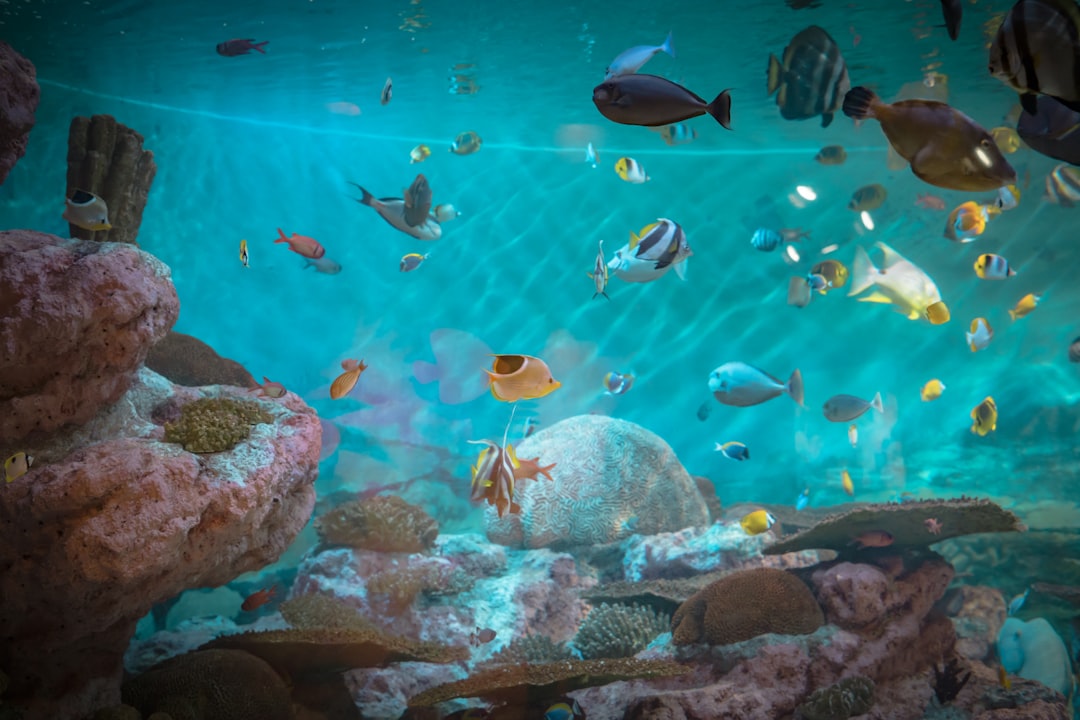
Pure RO water is a blank canvas — essential for control but lethal to fish and invertebrates if used without adding minerals back. Knowing how to remineralise RO water aquarium style means choosing the right products, hitting precise TDS and hardness targets, and tailoring your recipe to the species you keep. At Gensou Aquascaping, 5 Everton Park, Singapore, we mix custom remineralised water for everything from Crystal Red shrimp to reef corals, and the process is simpler than most guides make it seem.
Why Remineralisation Matters
RO/DI water has a TDS near zero, no buffering capacity and negligible mineral content. Fish placed in pure RO water experience osmotic stress as their body fluids are significantly more concentrated than the surrounding water — minerals leach out through their gills. Shrimp fail to moult properly without calcium and magnesium. Corals cannot build skite without alkalinity and calcium in specific ratios. Remineralisation restores these essential elements in controlled, repeatable quantities, giving you the exact water chemistry your species demands.
Essential Minerals
The key parameters you are rebuilding are general hardness (GH), carbonate hardness (KH) and TDS. GH reflects calcium and magnesium levels — critical for shell, bone and exoskeleton development. KH measures carbonate and bicarbonate ions that buffer pH, preventing dangerous swings. TDS gives you a quick overall snapshot. Different species need very different ratios, which is precisely why RO water is so valuable: you start from zero and add only what is needed.
Shrimp Remineralisation
Caridina species — Crystal Reds, Taiwan Bees, Shadow Pandas — require soft, slightly acidic water. Use a GH-only remineraliser like SaltyShrimp GH+ or Tantora GH+. Target GH 4-6, KH 0-1 and TDS 120-150 ppm. Add the powder to your RO water, stir thoroughly and measure TDS with an inline or handheld meter. Most products include a scoop calibrated to a specific volume of water — follow the manufacturer’s ratio as a starting point, then fine-tune. Neocaridina shrimp (Cherry, Blue Dream) tolerate harder water: use a GH/KH+ product and aim for GH 6-8, KH 2-4, TDS 180-250 ppm.
Discus and Soft-Water Fish
Wild-caught discus and many South American species thrive in GH 2-4, KH 1-2 and TDS 80-120 ppm. A small amount of GH/KH+ remineraliser achieves this. Some keepers prefer to blend RO water with dechlorinated PUB tap water at a ratio of roughly 3:1 (three parts RO to one part tap) to reach similar parameters without purchasing separate products. This shortcut works well in Singapore where tap water is already soft — the blend gives you a TDS around 15-25 ppm from the tap portion, easily adjusted with a pinch of remineraliser.
Reef and Marine Remineralisation
Reef tanks use marine salt mix rather than freshwater remineralisers. Products like Red Sea Coral Pro, Instant Ocean Reef Crystals and Fritz RPM are formulated to dissolve in RO/DI water and produce seawater at specific gravity 1.025 with balanced calcium (420-450 ppm), magnesium (1280-1350 ppm) and alkalinity (8-11 dKH). Mix in a separate container with a powerhead running for at least two hours before use. Never add dry salt directly to the display tank — the concentrated solution burns coral tissue on contact.
Mixing and Measuring
Always remineralise in a separate container, never in the tank. A clean 20-litre pail with a small pump or vigorous manual stirring works perfectly. Add remineraliser gradually, stirring continuously, and wait five minutes for full dissolution before testing. Use a TDS pen as your primary quick-check tool, then verify GH and KH with liquid test kits if precision matters — shrimp breeding tanks demand exact parameters. Label your containers with the target species and parameters to avoid mix-ups if you maintain multiple systems.
Consistency Over Perfection
Hitting the same TDS every single water change matters more than chasing a theoretically perfect number. A shrimp tank that receives water at TDS 140 one week and TDS 180 the next experiences unnecessary osmotic fluctuation. Develop a repeatable recipe — for example, one level scoop of GH+ per 10 litres of RO water — and stick with it. Write the ratio down and keep it near your mixing station. Small batch-to-batch variations in the remineraliser product are normal, so always verify with your TDS meter before adding water to the tank.
Cost and Availability
SaltyShrimp GH+ runs approximately $18-25 per 100g on Shopee and Lazada, enough for hundreds of litres. Marine salt mixes cost $25-50 per bucket depending on brand and size. Compared to the cost of losing an expensive shrimp colony or bleaching corals due to water chemistry problems, remineralisation products are a modest investment. Once you have mastered how to remineralise RO water for your aquarium, water changes become predictable, stress-free events rather than a source of anxiety.
Related Reading



