
Water Aging for Aquariums: Why and How to Pre-Treat Tap Water
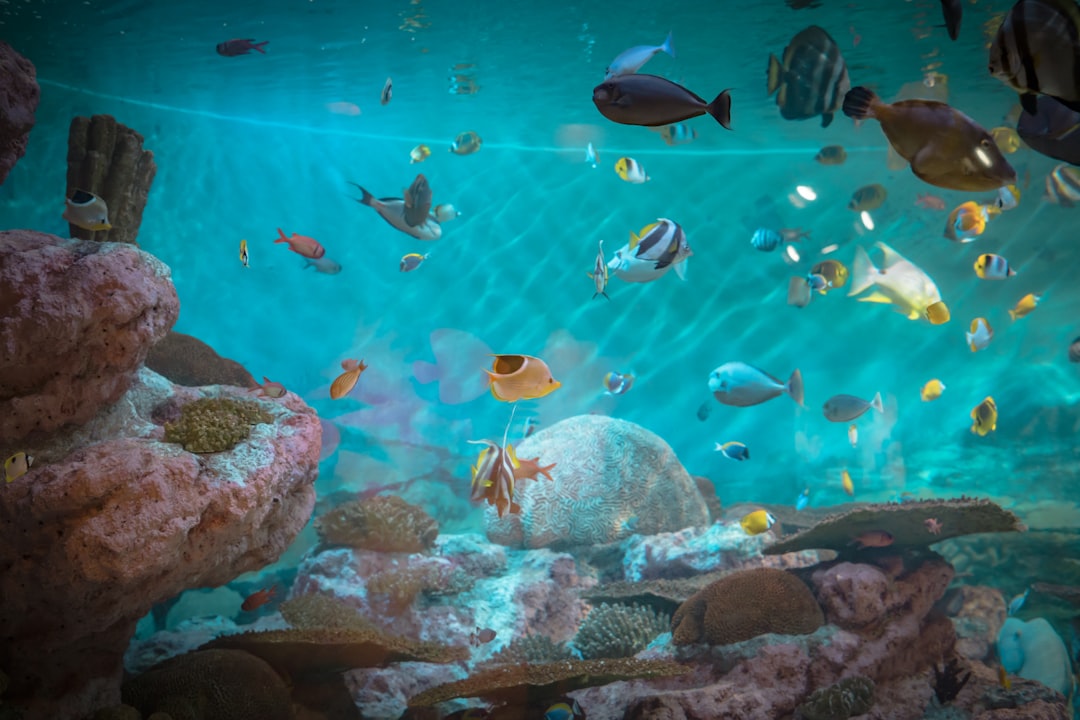
Pouring tap water straight into a tank full of sensitive fish is a gamble many hobbyists take without realising the risk. This water aging aquarium guide from Gensou Aquascaping at 5 Everton Park, Singapore explains why pre-treating and aging your water before use leads to healthier livestock and more stable parameters. The practice takes minimal extra effort but makes a meaningful difference, particularly in Singapore where PUB tap water contains chloramine rather than free chlorine.
What Is Water Aging
Water aging simply means preparing your replacement water in a separate container hours or days before adding it to your aquarium. During this period, you dechlorinate, aerate, temperature-match and optionally adjust hardness or pH. The goal is to present your fish with water that is chemically and thermally identical to what is already in the tank, eliminating the shock that comes from dumping cold, chloramine-laden tap water directly into a living system.
Why Chloramine Matters in Singapore
PUB treats mains water with chloramine — a stable compound of chlorine and ammonia — rather than free chlorine. This distinction is critical. Free chlorine dissipates when water is left to stand with aeration for 24 hours. Chloramine does not. It remains in solution almost indefinitely, continuing to damage gill tissue and beneficial bacteria until chemically neutralised. Any water aging protocol in Singapore must include a dechlorinator that specifically breaks the chloramine bond, such as Seachem Prime, API Tap Water Conditioner or Fritz Complete. Aeration alone is not enough.
Basic Aging Protocol
Fill a clean, food-grade container — a 20-litre pail, a Brute bin or a dedicated plastic drum — with tap water. Add your chosen dechlorinator at the recommended dose immediately. Drop in a small air stone connected to an air pump and let it run for 12-24 hours. This aerates the water, stabilises dissolved gas levels and brings temperature closer to ambient room conditions. For most tropical freshwater tanks in Singapore, room-temperature water at 28-30°C already matches tank conditions closely, reducing thermal shock to near zero.
Temperature Matching
Cold water shocks fish, suppresses immune function and can trigger Ichthyophthirius outbreaks. If your tank runs cooler than ambient — common in air-conditioned fish rooms or chiller-equipped setups — use a small submersible heater in your aging container set to the tank’s target temperature. Check with a thermometer before adding water. A difference of more than 2°C between replacement water and tank water is enough to stress sensitive species like discus, Caridina shrimp and Apistogramma.
Gas Equilibration
Freshly drawn tap water often contains supersaturated dissolved gases, particularly nitrogen and carbon dioxide. These excess gases can form microbubbles on fish gills, causing a condition called gas bubble disease — visible as tiny bubbles under the skin or along fin membranes. Aerating water for 12-24 hours allows dissolved gases to equilibrate with atmospheric pressure, eliminating this risk. The air stone does double duty here: it both offgasses excess nitrogen and oxygenates the water simultaneously.
Adjusting Parameters During Aging
Water aging is the ideal time to make chemical adjustments. Need to lower pH for a blackwater biotope? Add Indian almond leaves or peat extract to the aging container and let them steep. Raising GH for a Rift Lake setup? Dissolve your mineral supplement while the air stone circulates. Mixing brackish water? Add marine salt and stir until the refractometer confirms your target SG. Making these adjustments in a separate container means you can test, tweak and confirm parameters before the water ever touches your livestock.
How Long to Age Water
For most practical purposes, 24 hours is sufficient. The dechlorinator neutralises chloramine within minutes, aeration stabilises gases within a few hours, and temperature equilibrates overnight. Some discus breeders age water for 48-72 hours, but the additional benefit beyond 24 hours is marginal unless you are steeping botanicals for pH adjustment. Water stored longer than a week in an uncovered container can develop bacterial films, so use it within a few days or keep the container covered and aerated.
Containers and Storage
Use only food-grade plastic or glass containers. Avoid metal buckets — even stainless steel can leach trace amounts of nickel or chromium into soft water over time. Dedicated aquarium water containers should never be used for household cleaning chemicals. Label them clearly. A 60-litre Brute bin with a lid serves well for larger tanks, while a standard 20-litre pail handles nano and medium setups. Position your aging container near both a tap and the tank to minimise carrying distance — a small submersible pump and hose makes transfer effortless.
Is Water Aging Necessary for Every Tank
Hardy community fish — guppies, platies, most tetras — tolerate direct tap water additions if dechlorinated properly. But for shrimp, discus, wild-caught species and any breeding project, water aging is cheap insurance against preventable losses. The few minutes of preparation save hours of troubleshooting stressed or sick livestock. Once the habit is established, aging water becomes as routine as feeding — and every bit as important for long-term success in this water aging aquarium guide approach.
Related Reading



