
Brine Shrimp Hatching and Feeding Guide: Decapsulation, Enrichment
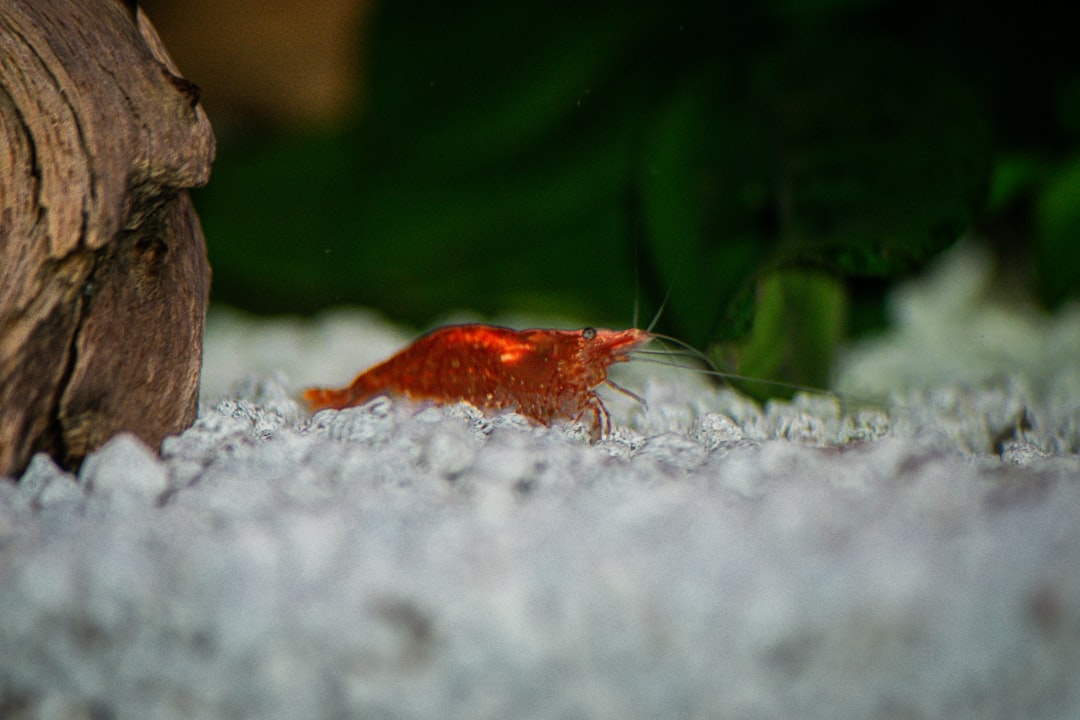
No other live food earns its place in a breeding room like Artemia. Newly hatched nauplii trigger feeding responses in fry that frozen and dry foods never will. This brine shrimp hatching feeding guide from Gensou Aquascaping at 5 Everton Park covers decapsulation, hatching yields, enrichment, and the practical schedule we run daily for Singapore breeders in ambient 29 C rooms where hatches race ahead of most guides written for temperate climates.
Quick Facts
- Salinity: 25-30 ppt (roughly 1 tablespoon non-iodised salt per litre RO)
- Temperature: 26-28 C ideal; Singapore room temperature works without a heater
- pH: 8.0-8.5 — add a pinch of baking soda if below 7.8
- Hatch time: 18-24 hours with vigorous aeration and 1500-2000 lux light
- Yield: 200-250 ml of concentrated nauplii from 10 g of quality cysts
- Container: 2 litre inverted PET bottle or conical hatchery
- Enrichment: 12-24 hours in Selco or DHA paste before feeding to picky species
Cyst Quality and Storage
Not all brine shrimp eggs are equal. Great Salt Lake and Russian strains hatch at 85-95%; cheap supermarket cysts often manage 40-60%. In Singapore, trusted brands include INVE, OSI, and Bio-Pure, available at C328 Clementi and various Serangoon North shops from $15-$35 for 100 g. Store unopened cans in the fridge; once opened, vacuum-seal and keep dry. Humidity destroys hatch rates in weeks — a critical point in our climate.
Decapsulation: Why and How
Decapsulation removes the hard chorion, leaving a cleaner food source and eliminating indigestible shells that fry can choke on. Soak 20 g of cysts in tap water for one hour to hydrate. Drain, then submerge in 200 ml of household bleach chilled to 15 C. Stir constantly for 7-10 minutes until cysts turn orange. Rinse thoroughly under cold water until no bleach smell remains, then hatch immediately or refrigerate in brine for up to a week.
Hatchery Setup
A 2 litre soft drink bottle, inverted and cut at the base, makes an ideal hatchery. Drill a small hole in the cap for airline, and run a rigid airstone down to the cap end so bubbles roll cysts continuously. No dead spots, no stratification. Fill with RO water to 1.5 litres, add 45 g non-iodised salt, a pinch of sodium bicarbonate, and 1-2 g cysts per litre. Light from one side with a desk LED — phototaxis helps later harvest.
Hatching and Harvesting
At 27 C, nauplii start emerging at 16 hours and peak around 20-24. Turn off aeration, wait 10 minutes for shells to rise and unhatched cysts to sink. Nauplii cluster at the lit side near the bottom. Siphon them through a 120 micron net, rinse under fresh RO to remove salt, then feed within two hours or refrigerate for up to 24 hours.
Feeding Nauplii to Fry
Instar I nauplii (just hatched) are 400-500 microns and fit almost any fry over three days old. Feed two to four times daily, only what fry clear within 5 minutes. Uneaten brine shrimp die quickly in freshwater and foul the tank. For very small fry — ember tetras, chili rasboras — decapsulated but unhatched cysts can be ground and sifted as a starter before the mouth opens wide enough for nauplii.
Enrichment for Adult Fish
Newly hatched nauplii exhaust their yolk within 24 hours. For picky marine species or conditioning breeders, grow them to Instar II-III and enrich with HUFA boosters like Selco, Nutramar Ora, or DHA Selco. Transfer harvested nauplii into a separate aerated bottle of fresh brine, add 0.6 g enrichment per 200 ml, and hold 12-24 hours at room temperature. Mandarin gobies, seahorses, and marine fry need this step.
Adult Brine Shrimp Culture
Scaling to adult brine requires a 40-60 litre vat, strong aeration, and phytoplankton or yeast feed. At 25 C, nauplii reach adult size in 10-14 days. This is overkill for most freshwater fishkeepers — buy adults frozen from the LFS at $3-$5 per cube. Adult live brine is worth the effort only for breeders conditioning specific species like killifish or working up difficult marine fry.
Common Problems
Poor hatch rate almost always traces to temperature (below 24 C slows dramatically), stale cysts, or insufficient aeration. Cloudy water with a sulphide smell means you overdosed cysts — cut to 1 g per litre. Nauplii dying within hours in freshwater is normal; feed what the tank clears in minutes.
Daily Schedule
Run two hatcheries on alternate days so fresh nauplii are always available. Start hatchery A at 8 am Monday, B at 8 am Tuesday. Harvest A at 4 am Tuesday, restart it. This rotation gives two harvests daily without gaps. For a single fry tank, one hatchery restarted after each harvest works fine.
Storage and Shelf Life
Harvested nauplii keep 24-36 hours in the fridge in cold saltwater with light aeration. Beyond that, quality drops. Decapsulated cysts in brine hold a week refrigerated. Unopened cysts stored vacuum-sealed in a freezer remain viable for 2-3 years — in Singapore humidity, this is the only reliable long-term option.
Related Reading



