
Bioactive Vivarium Springtail Culture: Clean-up Crew Setup
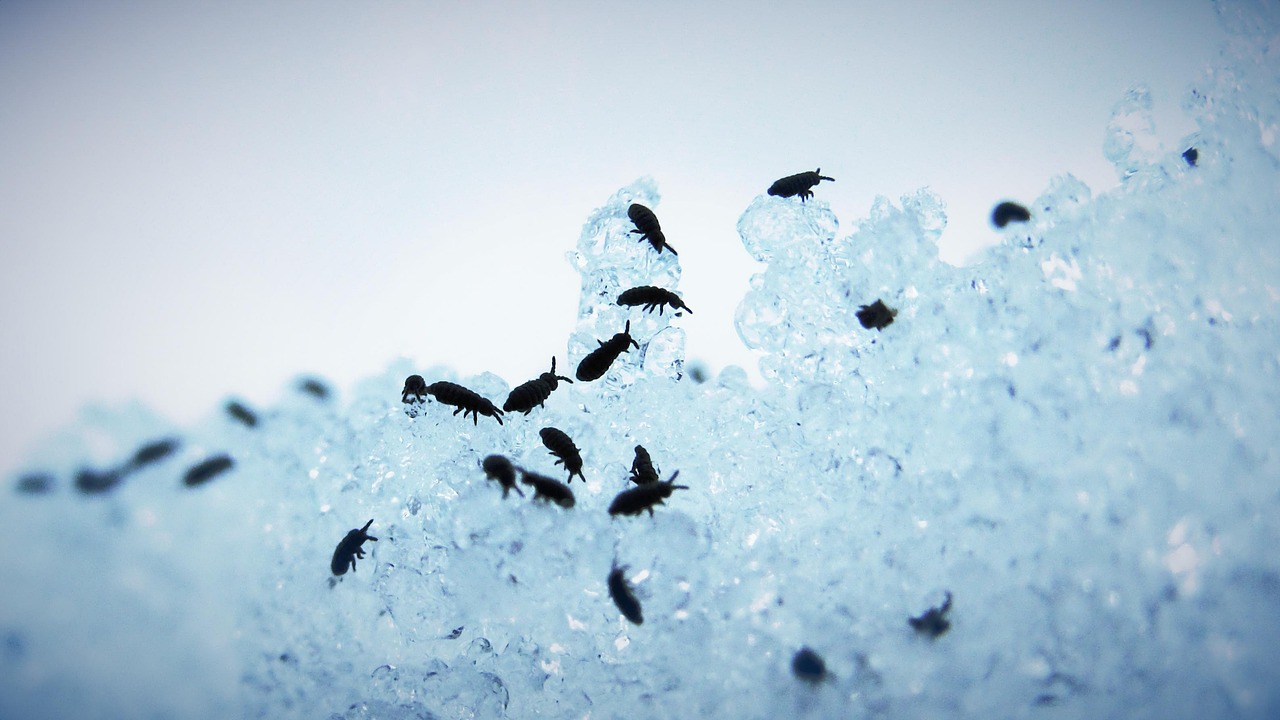
Springtails are the quiet workhorses that turn a static vivarium into a self-cleaning ecosystem. A well-run bioactive vivarium springtail culture churns through mould, fallen fruit flies, and frog faeces before any of it has a chance to foul the enclosure. This guide from Gensou Aquascaping in 5 Everton Park walks through the two reliable substrate methods, how to feed a colony, and what to expect in Singapore’s warm, humid conditions where populations often boom faster than the northern literature suggests.
Quick Facts
- Common species: Folsomia candida (temperate white) and tropical pinks
- Ideal temperature: 20-26 °C; Singapore ambient works without a heater
- Humidity: near saturation, standing water at base acceptable
- Feeding: brewer’s yeast, uncooked rice, fish flake crumbs
- Population boom: visible explosion within 10-14 days of seeding
- Dual purpose: clean-up crew and supplementary feeder for tiny dart frogs
- Shelf life of culture: 4-6 months before substrate needs refreshing
Charcoal Substrate Method
Horticultural charcoal — the chunky, low-dust type sold for orchid mixes — is the cleanest option. Fill a 1.5 litre deli cup one-third with charcoal, add dechlorinated water until the bottom 2 cm sits submerged while the top chunks remain moist but dry on top, then seed with a starter culture. Charcoal resists mould, drains well, and lets you tip springtails straight into the vivarium without carrying any substrate in. Harvesting is as simple as tapping the cup against a surface and scooping floaters from the waterline.
Coco Fibre Method
Coconut fibre holds more moisture and feeds fungi that springtails graze between meals. Use a 50-50 mix of fine coco fibre and coarse coco chips, moistened to the point where a squeezed handful releases two or three drops. Coco cultures produce higher peak populations than charcoal but are harder to harvest cleanly — expect to transfer substrate fragments into the vivarium, which is fine in a planted setup and problematic in a bare quarantine.
Feeding the Colony
Dust a pinch of brewer’s yeast across the surface twice weekly. Uncooked rice grains scattered in the corners grow soft mould that springtails strip clean — a useful visual indicator of colony health. If mould outpaces the springtails, reduce feeding; if rice stays clean for more than three days, the colony is hungry. Avoid wet food waste, which drives mite blooms that outcompete the culture.
Temperature and Humidity in Singapore
Ambient room conditions of 28-30 °C are at the warm edge of what Folsomia candida tolerates. Populations still boom but cultures crash faster once they peak. Siting cultures on a tiled floor, inside a cabinet, or beside an air-conditioned room stretches useful life. Tropical pink springtails handle Singapore temperatures more gracefully and are now widely stocked locally.
Seeding the Vivarium
Add springtails before frogs or isopods go in, ideally during the drainage-layer and substrate phase. Tip 200-500 individuals into a 60 cm vivarium and let them establish for two weeks while the plants root in. A thriving enclosure shows tiny white specks drifting across standing water after a misting cycle — proof the clean-up crew is working. Re-seed every six months or whenever numbers visibly drop.
Troubleshooting Crashes
Sudden colony collapse usually traces to three causes: the culture dried out, pesticide residue from a new plant killed them, or grain mites took over. Grain mites are tan, fast-moving, and cluster around food — if you see them, start a fresh culture in a sterilised container and bin the contaminated one. Plants from general nurseries should be rinsed thoroughly and quarantined for a fortnight before going near a bioactive build.
Sourcing and Pricing
Singapore reptile and dart frog specialists on Carousell and in dedicated Facebook groups sell starter cultures for $8-15. Larger sacks of mixed species sometimes appear on Shopee from regional breeders. Avoid cultures that smell sour or show visible mites on the lid; a healthy culture smells faintly earthy and shows springtails jumping the moment the lid lifts.
Backup Cultures
Always run at least two cultures in parallel. A single crash in a humid Singapore flat is otherwise a two-week setback. Label the start date on each cup and rotate harvests so neither colony gets stripped. Treat the backup as insurance, not a main feeder — the whole point is to have insurance when one fails.
Related Reading



