
Fish Delivery Services Singapore Guide: Online Shops and Shipping
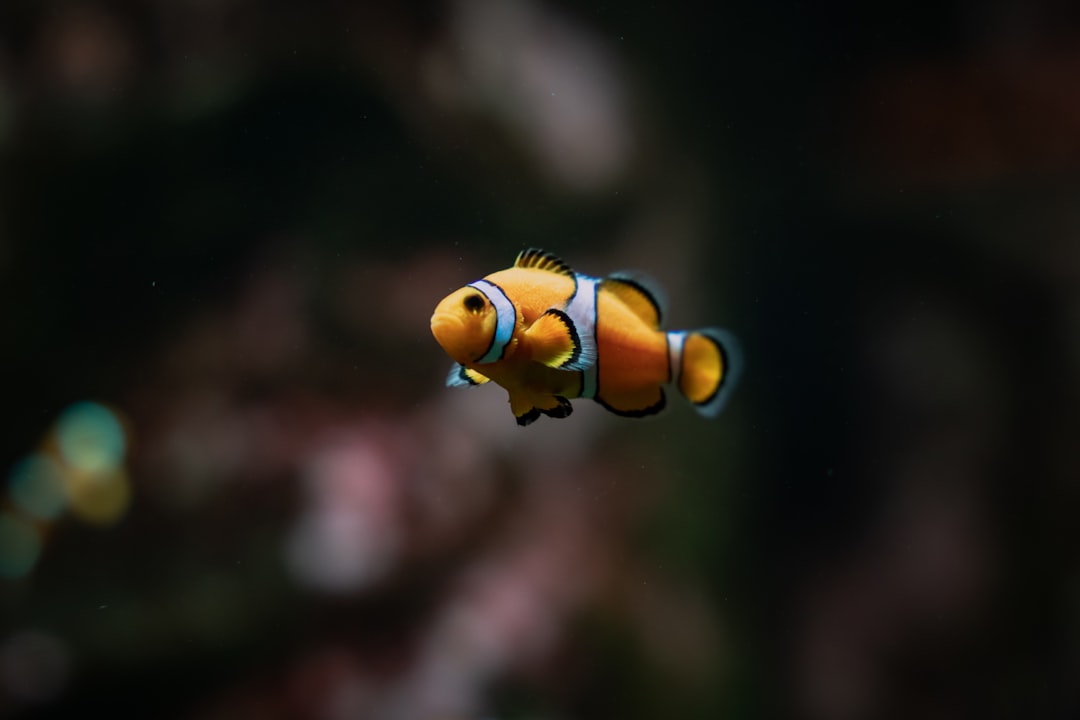
Not every hobbyist has time to drive out to Serangoon North or Clementi on a weekend. The last few years have seen a quiet boom in livestock delivery across Singapore, with shops running same-day courier runs and hobbyist breeders shipping rare shrimp and plants through private drivers. This fish delivery services Singapore guide from Gensou Aquascaping at 5 Everton Park breaks down how delivery actually works here, what to check before ordering, and how to receive a bag safely — drawing on 20 years of receiving and sending livestock across the island. This guide sits inside our broader Singapore Aquarium Hobbyist Guide reference.
How Delivery Works Locally
Most Singapore aquarium shops offering delivery use one of three models. The first is in-house drivers, typically for orders above $80-100 within a limited radius. The second is same-day courier platforms — Lalamove, GoGet, or Pickupp — where the buyer pays the fee and the shop hands over bagged fish. The third is postal delivery via SingPost or Ninja Van for hardy species and plants only; sensitive fish do not survive overnight transit in this climate.
Which Shops Offer Delivery
Green Chapter, Y618, Aquarist Chamber, The Fish Factory, and several smaller Thomson-area shops ship livestock. Online-first operations like Aquabid SG and various Shopee-based sellers operate purely on delivery. Minimum order values, DOA policies, and bagging standards vary widely between them — check reviews and ask specific questions before paying.
Bagging and Oxygenation Standards
A properly bagged fish is in a double-bagged poly bag, roughly one-third water and two-thirds pure oxygen (not air), with corners tucked to prevent fin damage. Good shops use breathable Kordon Breather Bags for long journeys and for sensitive species like wild-caught tetras or Pseudomugil. Rubber bands over simple poly bags are acceptable for a one-hour Lalamove trip but inadequate beyond that. If you are spending over $200 on stock, ask specifically how it will be bagged.
Timing the Delivery Window
Book a two-hour delivery window, not a same-day-anytime slot. Fish sitting in a bag at 32°C in a courier bike box for four hours is a disaster, especially for shrimp and marine species. Morning pickups between 9am and 11am give you the coolest part of the day and the freshest handling. Never accept an overnight hold — if the driver delays, ask them to return fish to the shop for rebagging.
What to Do Before the Courier Arrives
Have the receiving tank parameters logged and stable. Turn the tank light off to reduce stress during acclimation. Prepare a clean acclimation container — a plastic food tub works fine — and airline tubing for drip acclimation. Have a bottle of dechlorinator, a net, and a bag cutter within reach. For sensitive species, pre-dose the acclimation water with a tiny amount of Seachem StressGuard or equivalent slime coat support.
Inspecting the Bag on Arrival
Open the courier box immediately and visually inspect every bag without opening it. Look for dead fish, cloudy water, colour changes in the water (ammonia reagent turns yellow-brown), and bag temperature. Photograph any DOA with the shop’s receipt visible in the same frame — this is the primary evidence required for DOA replacement under most shop policies. If any bag has a compromised seal, photograph that too.
DOA Policies to Check
Reasonable DOA policies in Singapore usually cover fish found dead within 2 hours of delivery, with photo evidence and the original bag preserved. Some shops extend the window to 24 hours for sensitive species like German blue rams or wild plecos. Read the policy before ordering — a shop with no DOA policy is not worth the risk on livestock above $50.
Drip Acclimation Method
Pour the bag water and fish into the acclimation container. Run airline tubing from the tank into the container, tied in a loose knot to drip at roughly two drops per second. Aim for the container water volume to double over 45-60 minutes. Test TDS and pH at start and end — if parameter gap is extreme, extend to 90 minutes. Net the fish across into the tank, discarding bag water to the sink rather than the aquarium.
Species That Travel Well
Hardy community species — rasboras, tetras, platies, Endlers, most livebearers, adult shrimp — handle local courier transit with minimal loss. Neocaridina ship far better than Caridina. Corydoras are moderate risk because they spine themselves in bags. Sensitive species — discus, wild-caught dwarf cichlids, anthias, pseudomugil — need specialist shipping and ideally in-house delivery rather than third-party couriers.
Plants and Dry Goods
Plants ship far more easily than fish. Tissue culture cups travel fine by SingPost over two or three days. Bare-root stems wrapped in damp paper and sealed in poly bags also survive well. Do not buy plants from sellers who refuse to remove aquasoil before shipping — the weight markup on courier fees alone wipes out any savings.
Interstate and Overseas Orders
Importing fish directly to your door legally requires AVS import permits; no legitimate shop will ship livestock across borders to private buyers. Avoid Carousell listings offering “Malaysia deliveries” of rare species — these are illegal and fish welfare is poor. Buy imports only through shops with proper AVS papers, even if prices look lower elsewhere.
Price Expectations
Expect to pay $12-18 for islandwide Lalamove on a single-box order, $8-15 for in-house drivers within 10-15km, and $4-8 for plant-only courier via Ninja Van. Free delivery thresholds usually sit at $100-150. Factor delivery into your stock cost when comparing against driving to the shop yourself.
Related Reading



