
Eriocaulon Advanced Care Guide: CO2, Substrate, Light
Few genera carry the reputation that Eriocaulon does as the genuine test of an advanced planted-tank keeper. This Eriocaulon advanced care CO2 substrate guide breaks down what these grass-like rosette plants actually require, drawing on grow-out trials at Gensou Aquascaping at 5 Everton Park. Expect concrete numbers rather than vague advice; Eriocaulon punishes guesswork.
What Makes Eriocaulon Demanding
Unlike most aquatic plants Eriocaulon draws nutrients almost entirely through its dense root mat rather than the water column. Get the substrate wrong and no amount of liquid dosing rescues the plant. Get the substrate right and surprisingly the rest of the requirements become more forgiving than the genus’s reputation suggests.
Substrate Composition
The base layer should be a nutrient-rich aquasoil at 5-7 cm depth in the planting area. ADA Amazonia, Tropica Aquarium Soil and JBL ProScape all work; cheaper alternatives like Gex Crystal Black underperform on cation exchange capacity. Mix in a thin scattering of bone meal or osmocote root tabs at the base layer for the slow-release calcium and phosphate the rosette demands.
CO2 Targets and Distribution
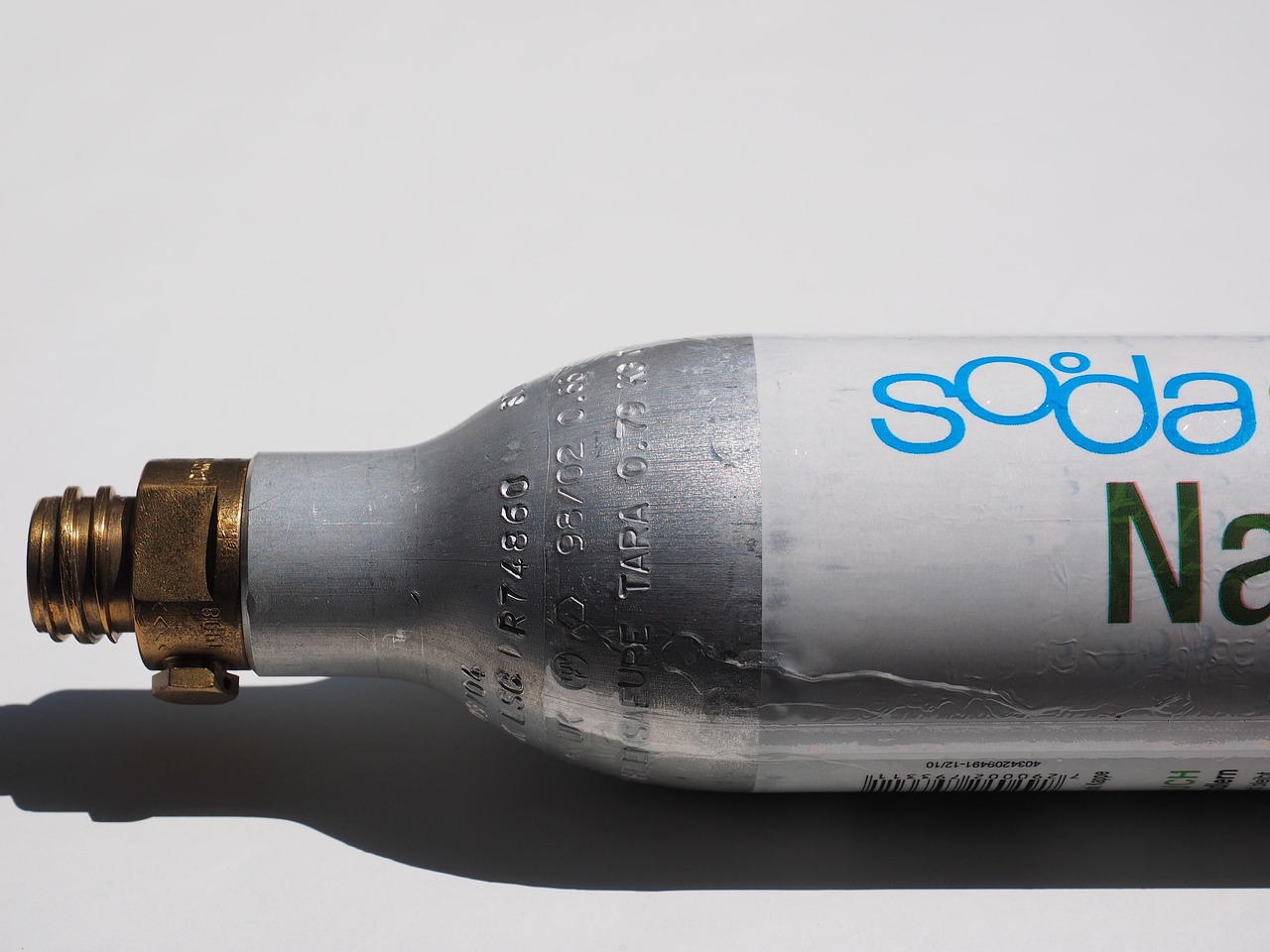
Eriocaulon needs 30-40 ppm CO2 measured at the rosette, not at the diffuser. That requires a properly sized inline diffuser or atomiser, paired with sufficient circulation to push CO2-rich water down to the foreground. A drop checker placed at substrate level beside the plant tells the truth; one suspended high in the tank lies. Our aquarium co2 measurement guide drop checker ph piece covers placement.
Lighting Intensity
Aim for 80-120 PAR at the rosette top. This is genuinely high light territory and demands a quality LED capable of holding spectrum across the full footprint. Insufficient light causes elongated weak rosettes; excessive light without matched CO2 triggers algae before the plant responds. Six to seven hours of intense photoperiod beats nine hours of moderate light.
Water Chemistry
Soft acidic water is non-negotiable. Target GH 2-4, KH 1-3 and pH 5.8-6.5 once CO2 stabilises. Singapore PUB tap water sits at the upper edge of acceptable; experienced keepers cut tap with 30-50% RO water for the foreground area. Temperature between 22-26°C reduces stress; 28°C and above shortens leaf life dramatically.
Species That Suit Beginners to the Genus
Start with Eriocaulon cinereum, the smallest and most adaptable species. Move on to E. quinquangulare once you can grow cinereum cleanly. E. shiga and E. polaris sit at the demanding end and should wait until you have a tank averaging steady parameters for at least six months. Read our eriocaulon care guide for genus basics first.
Fertilisation Routine
Run lean nitrate at 5-10 ppm and phosphate at 0.5-1.0 ppm. Potassium at 15-25 ppm supports the dense root mat. Iron should be dosed daily at 0.1-0.2 ppm because the rosette consumes it heavily during active growth. Calcium and magnesium come primarily from the substrate so water-column dosing of these two elements is rarely needed.
Planting Technique
Trim the root mass to 2-3 cm before planting. Use long aquascaping tweezers to push the rosette into the substrate so the crown sits flush with the soil surface; never bury the crown. Space rosettes 4-6 cm apart to give each room to spread without competing for light at the centre.
Establishment and Algae Management
Expect 4-8 weeks of slow visible progress before the rosette settles. New leaves appear short and slightly translucent during this period. Resist the urge to dose more or change parameters; the plant is establishing root contact and disturbance only sets it back. Eriocaulon shows green spot algae on older leaves before any other plant in the tank, which makes it an early warning sensor. If GSA appears, raise phosphate slightly rather than reducing light. Black brush algae on leaf tips signals CO2 instability rather than nutrient excess. Refer to how to fix algae on aquarium substrate for treatment options.
Propagation and Singapore Sourcing
Mature rosettes split naturally into daughter plants every six to nine months. Wait until the daughter has independent roots before separating, then replant immediately into the same substrate type. Some species flower readily underwater, producing tiny white pom-pom flowers on a stalk; harvested seeds can be germinated in emersed setups for new rosettes. Quality eriocaulon arrives through Tropica tissue culture at Green Chapter and Nature Aquarium for $14-20 SGD per cup. Wild-collected Japanese stock occasionally appears via specialist importers at $25-45 per rosette. Avoid ageing Carousell stock; melted root mass is hard to recover regardless of how skilfully you replant.
When to Walk Away
If you do not run pressurised CO2, if your aquasoil is older than 18 months, or if your light footprint cannot deliver 80 PAR uniformly across the planting area, choose another foreground plant. Eriocaulon punishes shortcuts and there is no shame in keeping Hydrocotyle or Marsilea instead until conditions match.
Related Reading



