
Gas Bubble Disease Aquarium Guide: Supersaturation Causes
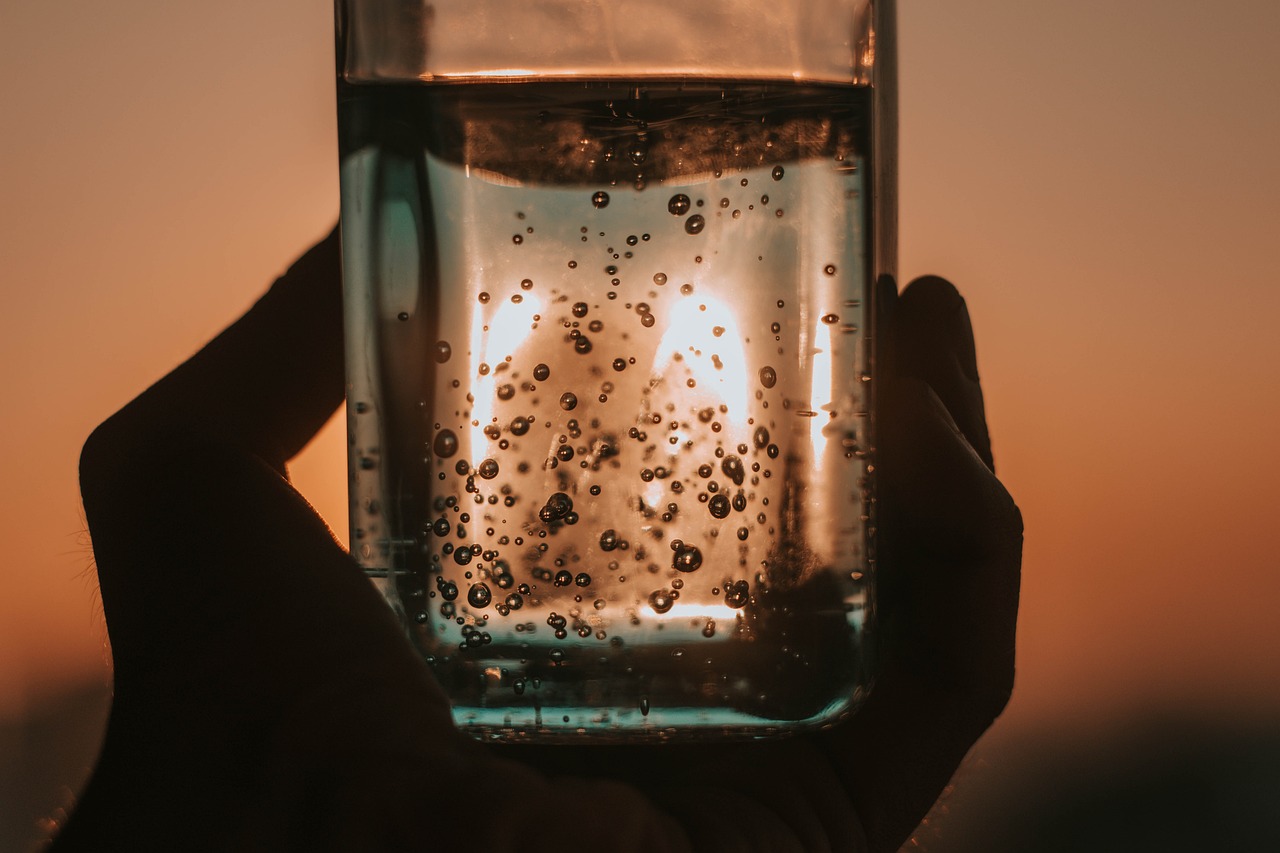
Tiny bubbles trapped beneath a fish’s skin look harmless until you realise they are forming inside the bloodstream too. This gas bubble disease aquarium guide from Gensou Aquascaping at 5 Everton Park covers the misunderstood but surprisingly common problem of dissolved gas supersaturation, a condition that catches Singapore keepers out most often after plumbing work, refilling with cold tap water, or running a leaking venturi pump. Recognising the bubbles early and identifying the gas source matters far more than any medication you could pour into the tank.
What Gas Bubble Disease Is
Gas bubble disease, often abbreviated GBD, occurs when total dissolved gas in the water exceeds 100 percent saturation. Excess gas comes out of solution inside the fish, the same way a diver gets the bends. Bubbles lodge in fin membranes, eyes, gill capillaries and internal organs. Mild cases cause cosmetic blistering; severe cases produce sudden mass mortality with no visible disease.
The Supersaturation Mechanism
Cold water holds more dissolved gas than warm water. Singapore PUB tap water leaves the pipe at roughly 24 to 26 degrees and warms to 28 to 30 in your tank. As it warms, the dissolved gas reaches saturation and the excess wants to escape, exactly the way fizzy drink loses bubbles when it warms. If the fish is in that water before the gas equilibrates, the bubbles form inside it instead.
Common Trigger Scenarios in Singapore Tanks
Three scenarios cause most outbreaks here. First, refilling 30 percent or more of the tank directly with cold tap water without an aerated holding bucket. Second, an air leak in the suction side of an external canister filter or sump return; the impeller draws air bubbles into the water column under pressure. Third, a venturi-fed protein skimmer or DIY CO2 reactor running with a worn seal that injects fine bubbles below the surface.
Recognising the Bubbles
Look at fins against bright back-light. Tiny silver pinpoint bubbles trapped between fin rays, especially in the caudal fin, are the clearest sign. Bubbles in the eye produce a hazy, sometimes asymmetric exophthalmia; bubbles under skin appear as raised silver blisters. Affected fish often hang at the surface or behave erratically because gas bubbles in gill capillaries impair oxygen uptake despite high oxygen content in the water.
Differential Diagnosis
The visible blisters can be confused with early ich, lymphocystis viral nodules or epidermal lesions. Ich spots are uniformly white and salt-grain sized; gas bubbles appear silver and refract light. Our ich white spot treatment guide shows the comparison images. Misdiagnosing gas bubble disease as ich and dosing copper or formalin into already-stressed fish is a frequent and avoidable mistake.
Immediate Response
The single most effective treatment is increasing surface agitation to drive excess gas out of solution. Drop airstones into the tank, raise the spray bar above the water surface to break it visibly, and run a powerhead near the surface for at least 24 hours. Within a day or two, total dissolved gas should drop below 100 percent and existing bubbles dissolve back into the bloodstream. The aquarium oxygenation guide details surface gas exchange.
Finding the Air Leak
If bubbles persist after aggressive aeration, you have an ongoing air injection problem. Check the o-ring on every canister filter intake, the priming valve, and the gasket on any inline reactor. Listen for an air-suck whistle near the impeller housing. Sump returns occasionally cavitate if the pump runs dry for even a few seconds; replace the worn impeller. Run a cup test under each plumbing junction to spot the bleeder.
Water Change Protocol Going Forward
Always age and aerate top-up water for at least 12 to 24 hours in a covered bucket with an airstone before adding it to the tank. This lets supersaturated gas equilibrate with atmosphere, brings temperature toward ambient, and gives dechlorinator full contact time. Singapore tap water is chloramine-treated, so combine with a binding conditioner; the water change mistakes guide covers the full sequence.
Risk Factors by Tank Type
Nano tanks under 30 litres and shallow rimless aquascapes are most vulnerable because surface area to volume ratios skew toward less natural off-gassing relative to the impact of any single mistake. Reef tanks running deep sump returns with venturi skimmers and cold RODI top-up are also exposed. Pond systems are usually safe due to massive surface area, but indoor pond conversions in HDB lobbies have triggered cases.
Prognosis After Recovery
Mild gas bubble disease resolves with no lasting effect once the gas source is fixed. Severe cases that involved gill capillary embolism may leave the fish with chronic respiratory distress or a heart murmur that shortens lifespan. Eye bubbles can resolve fully within two weeks but sometimes leave a permanent cataract. Document the incident, fix the root cause, and monitor for recurrence on the next several water changes.
Prevention Habits Worth Forming
Keep an airstone running in any bucket of fresh top-up water, inspect canister o-rings every six months, never refill from cold tap directly, and pay attention to the sound of your pumps; a healthy pump runs quietly. Keepers who follow these habits effectively never see gas bubble disease, while keepers who skip them tend to encounter it once every couple of years.
Related Reading



