
How to Cycle Fish Tank Complete Guide: Fishless and Fish-in
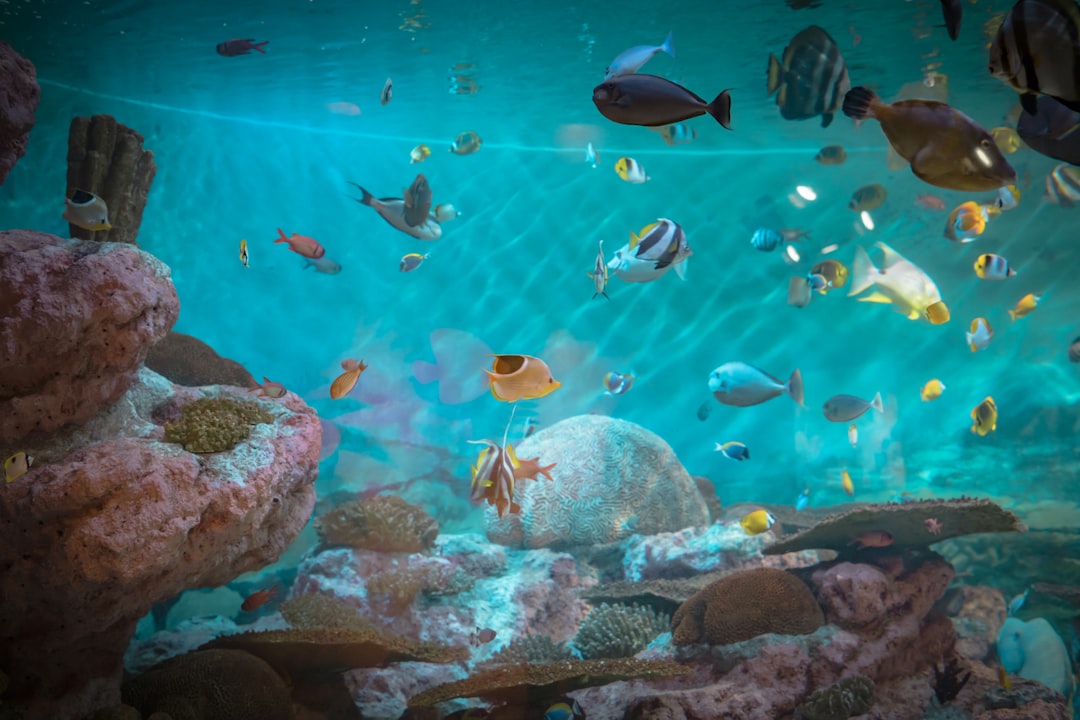
Singapore’s tropical 28-30 degrees Celsius ambient water actually shortens bacterial colonisation compared to the six-to-eight-week figures quoted on American sites written for 22 degrees Celsius basements. This how to cycle fish tank complete guide walks you through both fishless and fish-in methods, the exact ammonia and nitrite readings to hit, and when your biological filter is genuinely ready for stock. At Gensou Aquascaping, 5 Everton Park, we cycle every display tank before rescaping and we have tracked timelines on hundreds of HDB and condo setups across two decades.
Why Cycling Matters More Than Any Other Step
A cycled tank contains two distinct bacterial colonies: Nitrosomonas species that oxidise ammonia into nitrite, and Nitrobacter or Nitrospira species that convert nitrite into nitrate. Without them, every gram of fish waste and uneaten food becomes toxic within hours. Fish tolerate nitrate up to roughly 40 mg/L, but even 0.5 mg/L of ammonia burns gills and causes permanent damage.
Gather Your Testing Kit First
Cycling without a liquid test kit is guesswork. Buy an API Freshwater Master Test Kit (SGD 55-70 at C328 Clementi or Shopee) that measures ammonia, nitrite, nitrate and pH. Strip tests drift in accuracy and miss the 0.25 mg/L threshold you actually need to read. Keep a cycle log — date, ammonia, nitrite, nitrate — because memory fails and patterns only emerge on paper.
The Fishless Cycle Method Step by Step
Fishless cycling is humane, fast and precise. Follow these steps in order:
- Fill the tank with dechlorinated PUB tap water. Seachem Prime at 1 mL per 40 L neutralises chloramine completely.
- Add pure ammonium chloride solution to reach 2 mg/L ammonia. Dr Tim’s Ammonium Chloride (SGD 22 on Shopee) is the cleanest source.
- Run filter and heater 24/7. Warm water at 28-30 degrees Celsius accelerates bacterial growth by roughly 30 per cent versus cool tanks.
- Test daily. When ammonia drops from 2 to 0 in 24 hours, nitrosomonas is established.
- Continue dosing ammonia to 2 mg/L daily until both ammonia and nitrite read 0 within 24 hours — this usually takes 14-21 days in SG.
The Fish-in Cycle Method Done Safely
If fish are already in the tank, you cycle around them. Stock only two or three hardy species (platies, white cloud minnows, kuhli loaches) and feed sparingly — once every other day, sinking pellets removed after two minutes. Perform 30 per cent water changes every time ammonia or nitrite exceeds 0.25 mg/L. Dose Seachem Prime daily; it binds ammonia into non-toxic form for up to 48 hours while bacteria catch up. Expect six to eight weeks of vigilance.
Seeding the Cycle to Speed Things Up
Bacteria from an established tank cut cycling time dramatically. Beg a handful of filter sponge from a shop that runs long-established display tanks — Qian Hu and Iwarna Aquafarm sometimes oblige regulars. Bottled bacteria like Seachem Stability or Dr Tim’s One and Only work but results are inconsistent; fresh sponge media always beats liquid products. Drop the donor media into your filter’s biological chamber and dose ammonia as normal.
Reading Your Test Results Correctly
Ammonia should spike first, peak around day 5-8, then fall. Nitrite rises as ammonia drops, peaks higher than ammonia did (often 2-5 mg/L), then falls. Nitrate accumulates continuously once nitrite converts. The cycle is complete only when a 2 mg/L ammonia dose converts fully to nitrate within 24 hours with no detectable nitrite. Shortcut declarations kill fish.
Common Cycling Mistakes in SG Tanks
Rinsing filter media in tap water destroys bacteria instantly — chloramine in PUB supply is fatal to nitrifiers. Never clean biological media outside old tank water. Overdosing ammonia past 5 mg/L stalls the cycle by inhibiting nitrite-consumers. Turning the filter off overnight to save electricity starves the aerobic colony; bacteria die within four hours without oxygen flow.
When to Add Fish and How Many
Once ammonia and nitrite read 0 after a full 2 mg/L ammonia dose in 24 hours, do a 50 per cent water change to drop nitrate below 20 mg/L, then add fish within 48 hours to feed the bacteria. Stock at 30 per cent of final capacity first — four neon tetras in a 60 L planted tank, not fifteen. Test ammonia daily for the first week; a small bump signals the colony is still scaling.
Dealing With Cycle Stalls and Crashes
Cycles stall when pH drops below 6.0 (nitrifiers slow dramatically), temperature drops below 24 degrees Celsius (rare in SG, common if aircon blasts directly on the tank), or ammonia is dosed too high. Singapore’s soft PUB water with KH 1-2 can cause pH crashes during cycling — add a small piece of cuttlebone or crushed coral to stabilise KH above 3 dKH. If nitrite stalls for more than ten days, half-change the water and redose ammonia to 1 mg/L only.
Related Reading



