
How to Clean Fish Tank Complete Guide: Weekly Routine
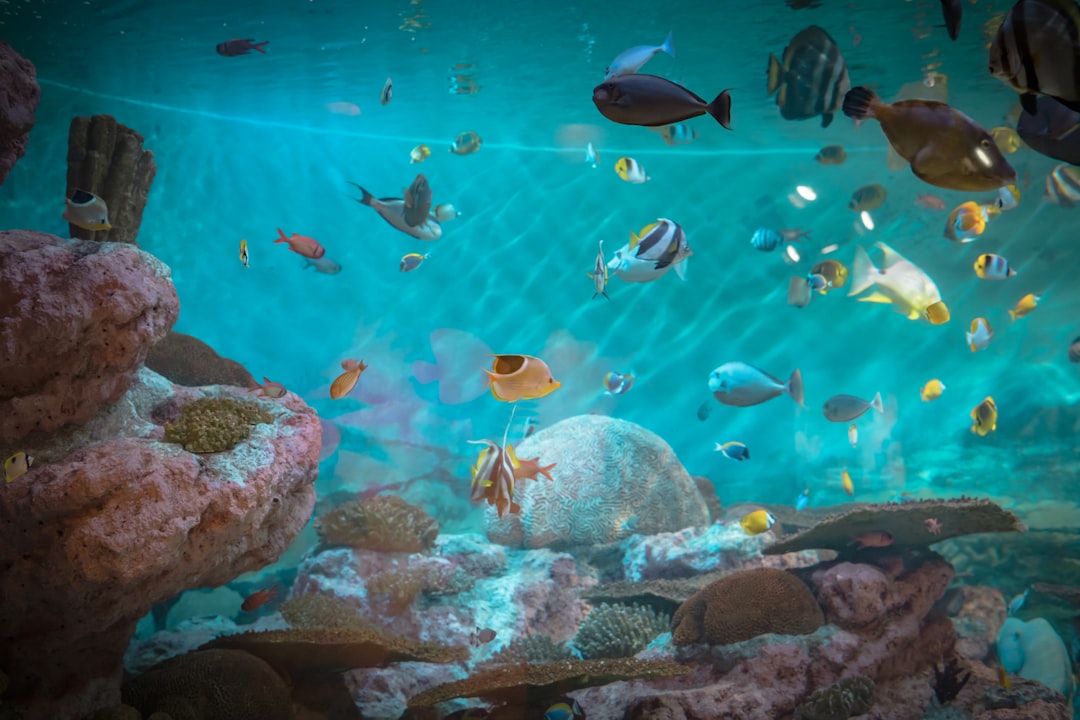
“Cleaning” a fish tank confuses most beginners — a properly cleaned tank isn’t sterile, it’s balanced, and scrubbing everything breaks the biofilter that keeps fish alive. The goal is removing detritus, trimming excess organics, and refreshing water, not disinfecting surfaces. This how to clean fish tank complete guide from Gensou Aquascaping at 5 Everton Park lays out the weekly, monthly and quarterly routine tuned for Singapore HDB flats, where bucket logistics and warm ambient temperatures shape the practical approach. Follow the sequence and a 200-litre tank maintains in 30-40 minutes a week.
Gather Tools Before Starting
A 10-litre bucket (dedicated, never used with soap), an algae scraper or magnetic cleaner ($15 Shopee), gravel vacuum siphon ($18 C328 Clementi), thermometer, Seachem Prime ($45 per 500 ml), and a clean microfibre cloth. HDB lift access shapes tool choice — two 10-litre buckets are more practical than one 20-litre for 5-10th floor flats. A Python-style direct-drain system ($65 Shopee) works if you have a sink within 2 metres and a tap adapter fits your kitchen faucet.
Turn Off Equipment
Unplug heater (if running) and filter before draining. Heaters left running when substrate drops below their housing crack from thermal shock; filters running dry burn out impellers. Leave lights on for visibility during cleaning. Skimmers, UV and CO2 can also switch off during the work. A power strip with individual switches makes this routine in 5 seconds.
Scrape Algae First
Glass algae comes off easier before water disturbance stirs up debris. Use a magnetic algae scraper or hand scraper against all four glass panes, working top to bottom. Corners get a toothbrush treatment. Scrape before the water change so dislodged algae enters the removed water, not your clean water. For stubborn green spot algae, a razor blade scraper ($3 Daiso) handles it without scratching standard aquarium glass — use plastic blades on acrylic tanks.
Vacuum the Substrate
Start the siphon with the gravel vacuum head. Work through 30-50 per cent of the substrate per weekly session — not the whole floor, and not always the same 30 per cent. Push the wide end into the gravel, let light detritus siphon up, lift, move to next spot. For sand substrate, hover the wide end 1 cm above the surface; sand is too fine to vacuum directly. Planted tank substrates get only surface cleaning to preserve root zones.
Remove 25 Per Cent Water
The vacuuming removes water while siphoning — stop when about 25 per cent of tank volume is gone (50 litres from a 200-litre tank). This is your weekly water change, not a separate step. In HDB tanks under 150 litres, this is one bucket; larger tanks need two or three rounds or a Python. Drain into the toilet or sink, not the bathtub (fish medications and fertilisers aren’t bath-safe).
Wipe the Exterior
Clean glass exterior, lid, light fixture and stand with a damp microfibre cloth. SG humidity condenses on cool tank surfaces; dried water marks accumulate. No cleaning products near the tank — residue aerosols into the water. Check silicone seams during this wipe for any mould growth (black dots at corners) or peeling; early detection prevents leaks.
Prepare New Water
Fill the bucket with PUB tap water, ideally at room temperature — SG ambient matches tank temperature within 1-2 °C most of the year. Dose Seachem Prime at 1 ml per 40 litres into the bucket and stir. Prime handles both chlorine and chloramine, which PUB treats water with. Adding conditioner after filling the tank means 10-30 seconds of chloramine contact with fish gills — always dose before pouring.
Pour Back Gently
Pour the conditioned water slowly down the glass or into an upside-down plate placed on the substrate. Pouring directly onto hardscape or substrate kicks up detritus and stirs up the water. Match temperature by hand — if the bucket feels distinctly different to tank water, wait or adjust. Fish tolerate 1 °C swings easily; 3+ °C swings cause stress.
Restart and Observe
Plug filter back in first, check flow is normal and no air in the impeller (tip the canister briefly if needed). Then heater if applicable, lights, UV, CO2. Watch fish for 10 minutes — normal behaviour within 5-10 minutes confirms the change went well. Test water parameters within 24 hours if you suspect anything off; weekly testing isn’t mandatory for mature tanks but monthly check-ins catch drift before it becomes a problem.
Monthly and Quarterly Tasks
Monthly: rinse mechanical filter media (sponges, floss) in the bucket of removed tank water — never under tap. Squeeze, don’t scrub. Replace filter floss every 2-4 weeks. Quarterly: full canister strip-down — remove all media, clean canister walls and impeller, rinse each media type gently in tank water, reassemble in the original order. Annual: replace UV bulbs, inspect power cords, check silicone seams. SG’s warm ambient conditions accelerate equipment wear slightly compared to temperate climates.
Related Reading



