
Fish Tank Water Change Complete Guide: Frequency and Volume
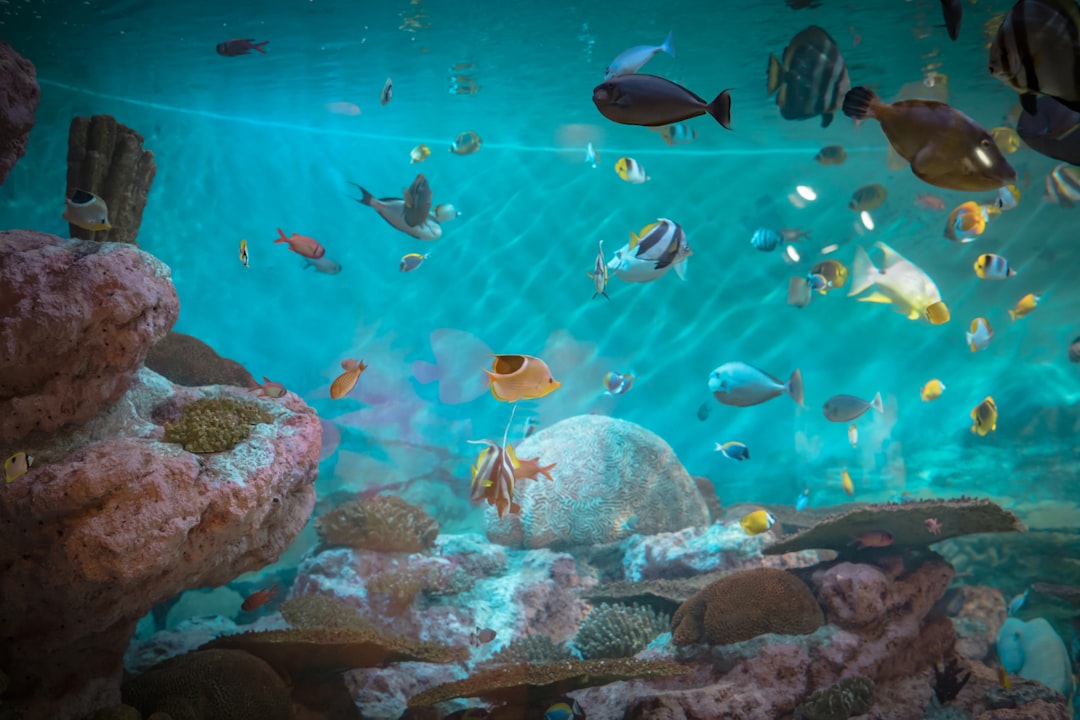
Water changes are the single most powerful tool in a fishkeeper’s kit, and the one most people overthink. This fish tank water change complete guide from Gensou Aquascaping at 5 Everton Park covers frequency, volume and the little Singapore-specific tricks that keep PUB tap water safe for a soft-water community tank. Done right, a water change takes 15 minutes and leaves fish more colourful by the following morning; done wrong, it stresses livestock and undoes weeks of stability.
Why Water Changes Work
Every tank accumulates dissolved waste that your filter cannot remove — nitrate, phosphate, hormones and dissolved organic compounds. Plants help, carbon helps, but dilution is the only reliable reset. A 25 percent change drops nitrate by 25 percent. A 50 percent change drops it by 50 percent. No chemistry is more predictable, and no product on the shelf replaces the humble bucket.
Baseline Frequency
Weekly 25 percent suits the average planted community tank of 60-120 litres with moderate stocking. Lightly stocked shrimp tanks can stretch to fortnightly; heavily stocked cichlid or goldfish setups need twice weekly. If you feed heavily, add a midweek top-up. New tanks in their first cycle benefit from smaller, more frequent changes — 15 percent every other day — while mature tanks tolerate a consistent weekly rhythm comfortably.
Volume: How Much Is Too Much
Up to 50 percent is safe on a stable tank where PUB tap water closely matches tank parameters. Beyond that, temperature and pH swings start mattering. Planted tanks running CO2 should keep changes under 40 percent to avoid degassing the water column and shocking the system into a carbon slump. The old warning against large changes is overstated in Singapore where tap and tank water differ by less than 2°C.
Preparing Replacement Water
Fill an Ikea 20-litre bucket (SGD 8) from the kitchen tap — kitchen ambient warms the bucket faster than a bathroom. Dose Seachem Prime or API Tap Water Conditioner at label rate; chloramine requires a dechlorinator, not just aeration. Stir and leave for 10 minutes. Some keepers run an air stone for 15 minutes to offgas residual CO2 from the mains; optional for most tanks, useful for sensitive shrimp.
Temperature Match
Tank water in Singapore sits around 26-28°C without a heater. PUB cold tap averages 26-29°C depending on time of day and which floor of the HDB block you live on. High floors in the afternoon deliver warmer water because of roof tank exposure. A cheap digital thermometer confirms within 0.2°C — touch-testing is unreliable when both water sources are close to skin temperature.
Draining Technique
Use a gravel vacuum with bulb primer to drain. Push tube into gravel in open substrate areas, hover 5 cm above planted sections. Drain into a dedicated bucket parked on the HDB laundry yard floor — lower than the tank, never the same level. A kinked hose signals a bucket-height problem before it becomes a flow problem. Never use the same bucket for soap or cleaning products at any time in its life.
Refilling Without Disturbing Scape
Pour refilled water slowly against the glass, onto a plate placed on the substrate, or through a folded plastic bag laid on the surface. Any of these prevent crater-shaped holes forming in a planted scape. Large tanks benefit from a Python-style water changer connected to the kitchen tap; temperature match becomes the challenge because mains water must be blended at the tap rather than pre-dosed in a bucket.
Specialist Tanks
Shrimp-only tanks prefer 10 percent weekly because TDS stability matters more than nitrate removal. Blackwater tanks with leaf litter need careful pH matching because tap water resets the acidity you have worked to lower. Marine tanks follow entirely different rules and sit outside the scope of this guide. Planted high-tech tanks running aquasoil typically want 30 percent weekly during the first three months, dropping to 20 percent thereafter.
Common Errors
Forgetting dechlorinator is the classic mistake — chloramine kills nitrifying bacteria in the filter and gill tissue in the fish. Mixing tank and tap water by drawing from the refill bucket before dechlorinator contact time elapses is almost as bad. Skipping weeks and then compensating with a 75 percent change shocks livestock more than the accumulated nitrate would have. Consistency beats drama every time.
Sourcing and Practical Kit
Ikea 20-litre bucket SGD 8, Seachem Prime 500 ml SGD 22 from Shopee or Qian Hu, digital thermometer SGD 5-8 from any local shop. Python-style hose sets from Carousell imports run SGD 75-120. Store buckets upside down in the laundry yard to air-dry between uses. Label the inside rim “fish only” with permanent marker — well-meaning family members have used unlabelled buckets for mopping with predictable results.
Related Reading
- How to Change Water in Fish Tank Guide
- Aquarium Water Change Guide Singapore
- Python Water Changer Complete Guide
- Dechlorinator Guide Singapore
- Aquarium Maintenance Schedule Singapore



