Saltwater Fish Tank Complete Guide: Setup to Stocking
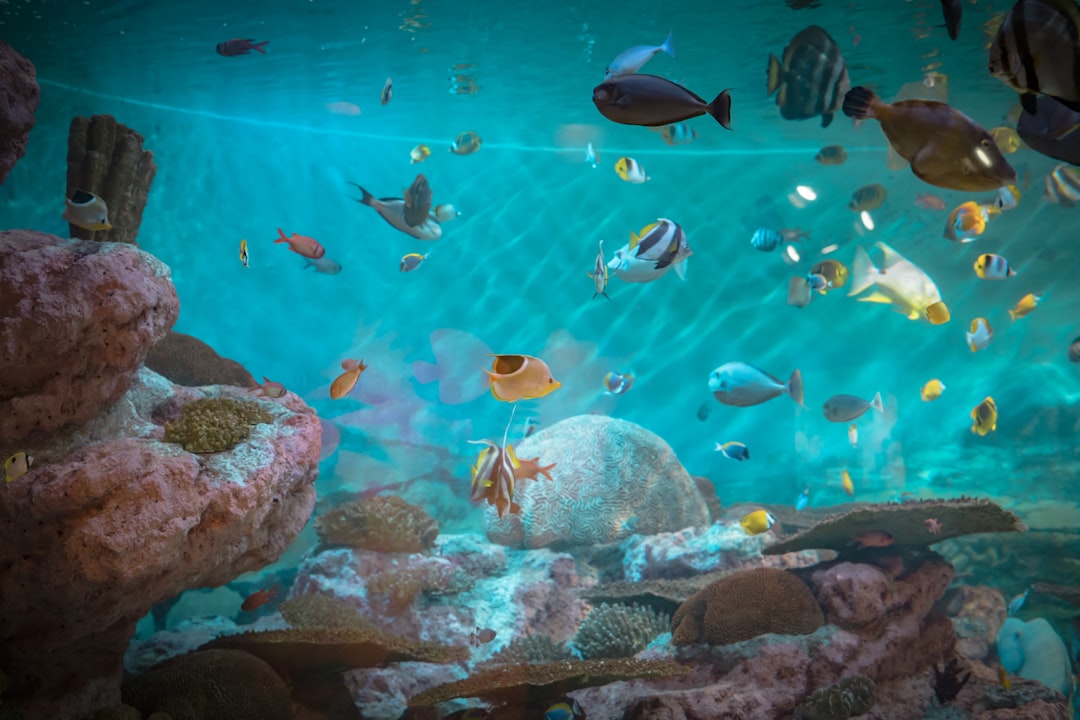
A saltwater fish tank sits in a middle ground that many freshwater keepers miss: simpler than a full reef, still demanding enough that skipping the basics ends in tears. This saltwater fish tank complete guide walks through equipment selection, aquascape, cycling, livestock choices and the SG-specific details that separate a thriving marine tank from a brown-algae graveyard. Gensou Aquascaping at 5 Everton Park has been building marine systems for Singapore hobbyists for over 20 years, and the patterns below are drawn from that frontline experience.
Choosing the Tank Volume
Under 60 L the water chemistry swings so fast that a single missed water change triggers a crash. Over 300 L the HDB weight load (roughly 1.2 kg per litre with rock and sand) becomes a conversation with your neighbours and floor slab. The sweet spot for a first saltwater fish tank in Singapore is 100-200 L — forgiving chemistry, manageable power draw, and enough room for three to five fish. Popular AIO options include the Innovative Marine NUVO 40 at around SGD 1100 and the Red Sea Max Nano at SGD 1800-2400.
Filtration That Actually Suits Marine
All-in-one rear compartments work when you match flow, but most fish-only or fish-with-live-rock tanks benefit from a protein skimmer sized one rating above the tank volume. A Reef Octopus Classic 110 handles up to 150 L and runs about SGD 350 at Reef Depot. Filter socks trap particulates; clean or swap them every four days or they leach nitrate. Avoid canister filters as sole biological filtration — they trap detritus that decomposes anaerobically.
The Chiller Is Non-Negotiable
Singapore ambient of 28-32 degrees Celsius pushes uncooled marine tanks to 30 degrees or higher within hours of the lights coming on. Fish stress, coral bleaches and dissolved oxygen plummets. A Hailea HC-150A at SGD 400-500 chills up to 60 L to 24-26 degrees Celsius; the HC-300A covers 150 L. Oversize one step — chillers run fewer hours, last longer and keep temperature stable within 0.5 degrees Celsius.
Water Source and Salt Mix
PUB tap water is chloramine-treated, with silicate and phosphate levels that feed algae and dinoflagellates. Every serious marine keeper in SG uses RO/DI. A 4-stage BRS or AquaticLife unit at SGD 250-300 pays back within four months versus buying bottled RO water at SGD 1 per litre. Red Sea Coral Pro (SGD 90-110 per 7 kg bucket) mixes to 1.025 specific gravity and delivers stable alkalinity, calcium and magnesium out of the bag.
Aquascape and Live Rock
Dry rock from MarcoRock or Pukani (SGD 15-20 per kilogram at Reef Depot) avoids the pest nightmares — aiptasia, bristleworms, mantis shrimp — that seeded live rock brings. Use one kilogram of rock per 8-10 L of water volume. Stack stably on the bare glass, not the sand, so burrowing fish do not collapse the scape. Glue critical joints with reef-safe epoxy putty for long-term security.
The Cycle and First Testing
Dose ammonium chloride to 2 mg/L and track ammonia, nitrite and nitrate daily with a liquid test kit — Salifert or Red Sea are the SG standards. Cycle completes in 4-6 weeks when ammonia and nitrite both read zero within 24 hours of dosing. Warm SG water speeds this versus the 6-8 weeks quoted on American sites. Do a 50 per cent water change before adding fish to drop accumulated nitrate.
Stocking Order That Works
Start with one or two ocellaris clownfish — SGD 30-50 each at C328 Clementi or Qian Hu — and wait two weeks. Add a peaceful second species such as a royal gramma (SGD 60-80) or a midas blenny (SGD 55-75). Avoid damsels as first fish; they establish dominance and bully everything you add later. A 150 L tank comfortably holds four to six small fish at mature bioload.
Routine Maintenance
Weekly: 10 per cent water change with pre-mixed, pre-heated salt water. Wipe the glass with a magnet cleaner and test salinity with a refractometer calibrated against 35 ppt reference solution. Monthly: clean the skimmer cup, swap filter socks, and check chiller intake for blockage. Quarterly: inspect pump impellers and replace worn O-rings before they leak saltwater onto an HDB floor slab.
Where the Hobby Usually Breaks
Adding fish faster than the biofilter can scale triggers ammonia spikes weeks after cycling looks complete. Topping off evaporated water with salt water instead of fresh RO/DI pushes salinity past 1.030 within a month. Mixing salt water in the display tank — rather than in a dedicated mixing bucket — salt-burns corals and stuns fish. Each mistake is fixable once, not twice.
Related Reading