
Saltwater Aquarium Setup Complete Guide: Week-by-Week
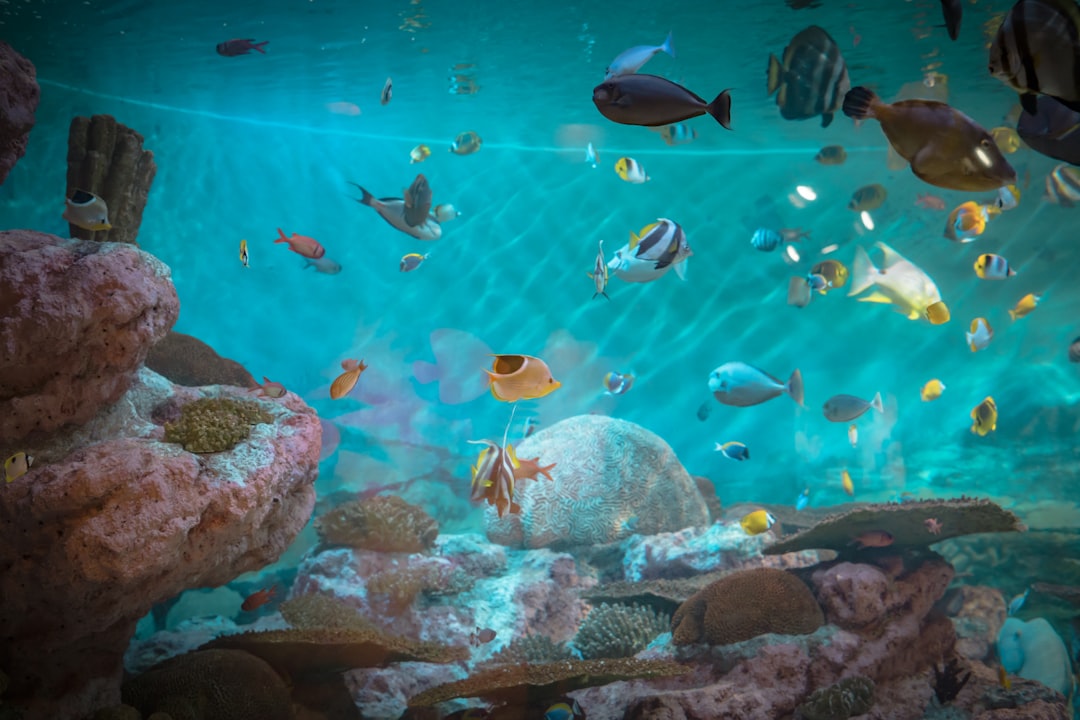
Setting up a saltwater tank is nothing like setting up a planted freshwater scape: the first fish goes in after a full month, not a weekend. This saltwater aquarium setup complete guide breaks the first six weeks into a concrete schedule so beginners stop buying livestock during week two — the single most common reason HDB marine tanks fail before month three. Gensou Aquascaping, 5 Everton Park, has set up hundreds of Singapore marine systems, and this is the exact order we follow on every install with over 20 years of hands-on experience. This guide sits inside our broader Saltwater Reef Tank Master Guide reference.
Week Minus One: Planning and Purchasing
Settle the tank location before anything else — direct afternoon sun through an HDB window drives algae and heats water past 30 degrees Celsius. Confirm the floor load (roughly 1.2 kg per litre filled) and proximity to a 13A outlet capable of a chiller draw. Buy everything in one go to avoid mid-setup delays: tank, stand, chiller, RO/DI unit, salt mix, refractometer, test kit, return pump, skimmer, LED and powerheads.
Week One: Dry Fit and Water Prep
Rinse the tank with a damp cloth only — never soap. Mount the chiller intake and return plumbing, dry-fit the aquascape with MarcoRock or Pukani dry rock (SGD 15-20 per kilogram at Reef Depot), and glue structural joints with reef-safe epoxy. Produce 50-100 litres of RO/DI water and mix with Red Sea Coral Pro or Tropic Marin Pro salt to 1.025 specific gravity. Let it circulate in a mixing drum for 24 hours before use.
Week Two: Fill, Power On, Cycle Start
Pour pre-mixed saltwater slowly onto a plate placed on the sand to avoid sandstorms. Power up the return pump, skimmer, chiller and powerheads. Set the chiller to 25 degrees Celsius. Dose ammonium chloride to 2 mg/L — Dr Tim’s at SGD 22 on Shopee is the cleanest source. Test ammonia, nitrite, nitrate daily and log readings. Nothing else enters the tank yet.
Week Three: The Ammonia Spike
Ammonia peaks, then starts dropping as Nitrosomonas bacteria establish. Nitrite rises fast behind it. This is normal and takes 7-12 days in Singapore’s warm ambient — faster than the temperate-climate guides suggest. If the LED is on a timer, keep photoperiod at 6 hours to avoid feeding algae during the nutrient spike. Do not water-change during active cycling.
Week Four: Nitrite Crash and Final Testing
Nitrite drops sharply as Nitrobacter and Nitrospira populations scale. By day 25-30 a 2 mg/L ammonia dose should convert fully to nitrate within 24 hours with both ammonia and nitrite at zero. Run one final 48-hour challenge: redose ammonia, confirm complete conversion. Then prepare 50 per cent fresh saltwater for the post-cycle water change.
Week Five: Cleanup Crew and First Fish
Do the 50 per cent water change to drop nitrate below 20 mg/L. Drip-acclimate a small cleanup crew — five Trochus or Astrea snails (SGD 6-8 each at C328 Clementi), two scarlet hermit crabs, one peppermint shrimp — over 90 minutes. Wait 48 hours, then add one or two ocellaris clownfish (SGD 30-50 each at Qian Hu). Feed sparingly once daily, pellets removed after two minutes.
Week Six: Diatom Bloom and Patience
Brown diatom dust coats the sand and rock. This is silicate leaching from new rock and is entirely normal. Resist wiping it for the first week — the cleanup crew and natural maturation do the work. If cyanobacteria (red-slimy sheets) appear, increase flow rather than chemical-dosing. Keep photoperiod at 8 hours maximum for the first month.
Weeks Seven to Twelve: Stabilise Before Expanding
Hold the stock list at two fish and the cleanup crew for a full month. Perform weekly 10 per cent water changes with fresh salt water at 25 degrees Celsius. Only when nitrate reads 2-10 mg/L and phosphate 0.03-0.10 mg/L after four consecutive tests should you consider the first coral frag — zoanthids or green star polyps from Seaview or C328 at SGD 15-30 each.
Setup Mistakes That Waste Weeks
Mixing salt inside the display tank salt-burns rock and causes localised pH swings. Skipping the dry fit means discovering plumbing mismatches with livestock already in the tank. Rushing the cycle by adding fish at week two overloads incomplete biofilter and triggers ammonia burns. Using tap water for evaporation top-off in week one pollutes the system before cycling even begins.
Related Reading



