Live Rock Saltwater Aquarium Guide: Curing and Placement
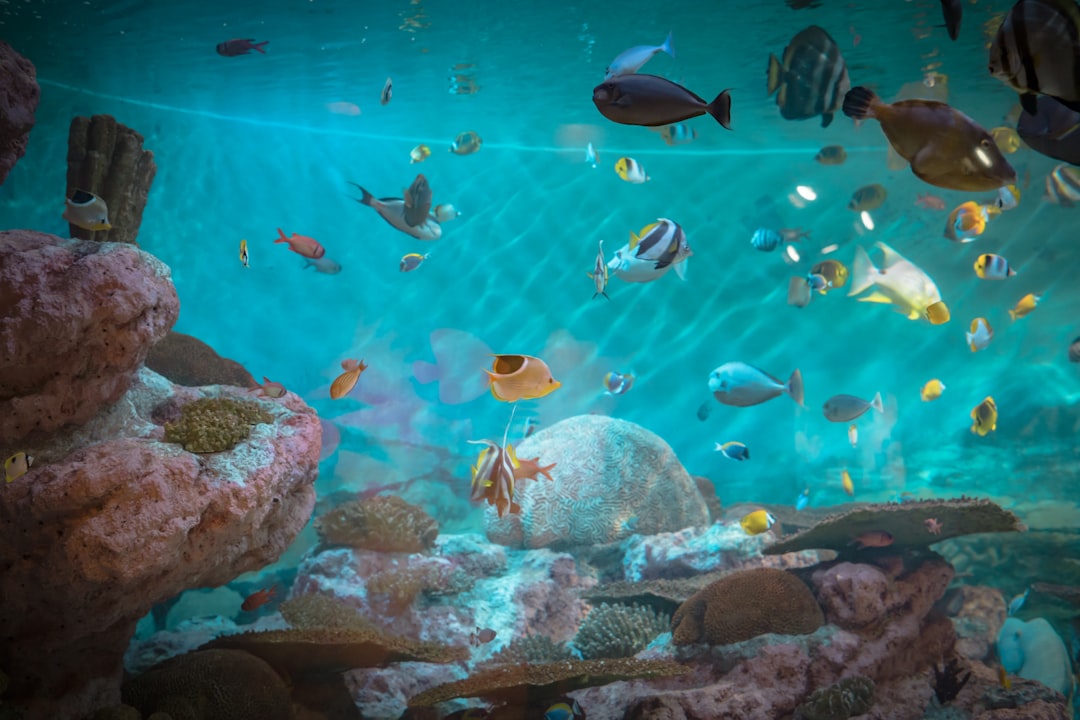
Genuine live rock — harvested from tropical reefs and arriving in Singapore with purple coralline algae, sponges and pod life intact — is harder to find locally every year. This live rock saltwater aquarium guide from Gensou Aquascaping at 5 Everton Park covers what live rock is, how to cure it, how to place it safely, and the practical reality that most Singapore reefers now build with dry rock and seed bacteria separately. Understanding both paths matters because you may still encounter fragments from mature tanks being sold off, and treating them right saves the biology. This guide sits inside our broader Saltwater Reef Tank Master Guide reference.
What Counts as Live Rock
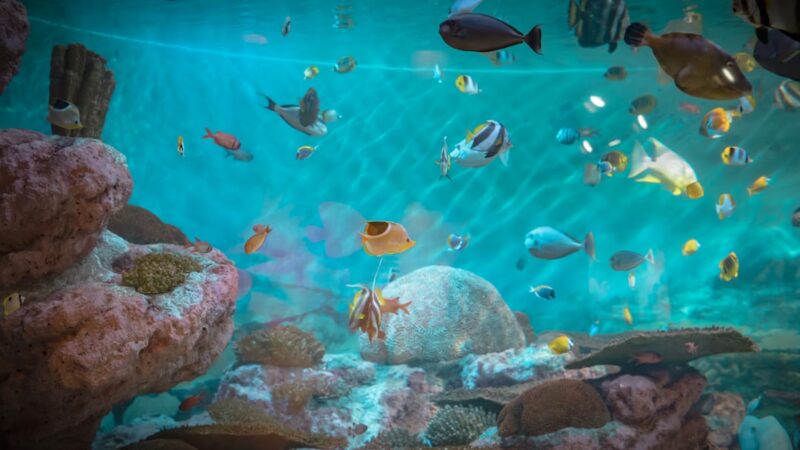
Live rock is calcium carbonate structure that has spent months to years in seawater, colonised by nitrifying bacteria, coralline algae, sponges, tube worms, copepods, amphipods, brittle stars and countless micro-organisms. Fiji, Tonga and Pukani were the classic source regions. Freshly landed rock carries the fullest biodiversity; rock transferred from an established tank is “cycled” but less diverse. Do not confuse live rock with cured rock — live rock is always cured, but cured dry rock is not live.
Live Rock Availability in Singapore Today
Import licensing, CITES documentation and the global shift toward aquaculture have thinned live rock imports to a trickle. Reef Depot and Iwarna occasionally receive small quantities but it is rarely in stock. Most “live rock” sold in Singapore today is mature rock transferred from hobbyist tank breakdowns — check Carousell and the “SG Reef Friends” Facebook group, where pieces from decommissioned reefs sell at SGD 5-12 per kg. Wild live rock imports when available price SGD 18-30 per kg.
Curing Live Rock Properly
Fresh live rock off a plane has undergone 24-48 hours of shipping stress. Sponges, worms and some corals will have died in transit. Curing removes this dead organic matter before adding rock to the display. Fill a brute bin with salt mix at 1.025 SG and 25-26°C, add a powerhead for circulation, and submerge the rock. Test ammonia daily — expect 2-8 ppm for the first week. Change 50% of curing water weekly until ammonia and nitrite read zero for three consecutive days, usually 3-6 weeks.
Identifying Hitchhikers
Live rock brings friends, not all welcome. Good: coralline algae, feather dusters, copepods, amphipods, brittle stars, small serpulid tube worms, asterina starfish. Bad: Aiptasia anemones (pest anemone that multiplies fast), mantis shrimp (predatory, will eat fish and shrimp), bristle worms over 10 cm (the small ones are useful, giants are scavengers), nudibranchs (most are coral-specific predators), crabs (assume bad unless identified as reef-safe). Identify with a torch and magnifying glass before placement — removing pests from a scaped tank is far harder than picking them out during curing.
Placement in the Display
Plan the aquascape before wet-placing rock. Dry-fit outside the tank, photograph it, then mark joins. Place the largest pieces first as base, building upward with diminishing sizes. Leave 4-5 cm gap between rock and glass on all sides for powerhead flow and cleaning. Avoid stacking rock directly on aragonite — fish and shrimp burrow under and cause collapses. Use reef-safe epoxy putty (E-Marco-400 cement SGD 22 at Reef Depot) or plastic cable ties threaded through drilled holes to lock rock in place.
Dry Rock as the Modern Default
Most Singapore reefers now build with MarcoRock reef saver (SGD 8-12 per kg at Reef Depot) or Pukani dry (SGD 12-14 per kg at Polyart), then seed with a bottle of Dr Tim’s One and Only or Fritz 9 bacteria (SGD 45-55). Dry rock brings no hitchhikers, no pest risk, and costs less — but you sacrifice the instant biodiversity of genuine live rock. A single small piece of live rock or a bag of live copepods (Tigriopus from Iwarna SGD 15-25) added at week 6 seeds the pod population without pest import.
Cycling a Live Rock Tank
Cured live rock placed into fresh saltwater in a new display still undergoes a mini-cycle as the bacterial population rebalances. Ammonia usually stays below 0.5 ppm if the rock was properly cured. Dose Dr Tim’s Ammonium Chloride to 1 ppm as a check — watch it drop to zero within 24-48 hours, confirming the biofilter works. Poorly cured rock will spike ammonia to 2-4 ppm and need another round of curing in the display before fish.
Maintenance and Coralline Algae
Purple coralline algae is the marker of a healthy live rock system. Maintain alkalinity at 8-9 dKH, calcium 420-440 ppm, magnesium 1300-1400 ppm and coralline spreads across rock and glass over 3-6 months. Scrape excess from viewing panels with a Tunze Care Magnet (SGD 65) or Flipper (SGD 45). Do not remove from rock — coralline outcompetes nuisance algae and signals water chemistry health.
When Not to Buy Live Rock
Skip live rock if you cannot dedicate a brute bin for 4-6 weeks of curing, if your display is already stocked with sensitive corals (pest transfer risk), or if Reef Depot has no fresh stock and the only option is tired rock from a crashed tank. Dry rock plus bacteria seeding is genuinely the cleaner, safer, cheaper path for almost every Singapore first reef in this decade.
Related Reading