First Fish for Reef Tank Beginner Guide: Best Starter Choice
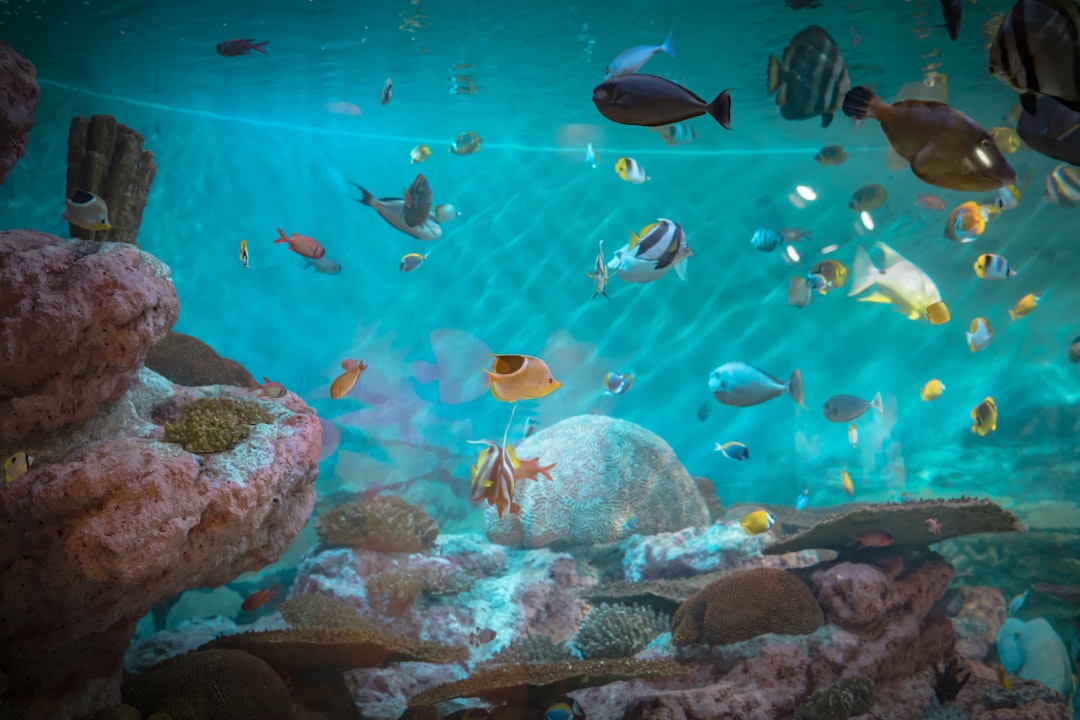
Choosing the first fish for a new reef is one of the most consequential decisions of the first year — it sets the tone for aggression, establishes disease exposure, and signals whether the tank is truly ready for livestock. This first fish for reef tank beginner guide walks through the best starter species, what to look for at the shop, and the common mistakes that cost Singapore beginners their first livestock. Gensou Aquascaping at 5 Everton Park has talked countless new reefers out of impulse buys and into better choices, often saving them both money and heartache. This guide sits inside our broader Saltwater Reef Tank Master Guide reference.
Why the First Fish Matters
The first fish establishes territory in an otherwise empty tank, which shapes how later additions integrate. A mild species accepts tankmates readily; an aggressive first fish turns the tank into a single-species setup by default. The first fish also introduces whatever parasites came home from the LFS, so picking a naturally resilient species that tolerates quarantine and treatment is strategic, not just sentimental.
When the Tank Is Actually Ready
Coralline spots on glass, diatoms receding, stable nitrate around 2-5 ppm and phosphate around 0.03-0.08 ppm for three consecutive weekly tests is the green light. Typically that lands around week 8-12 in Singapore’s warm reef water. A tank still in peak uglies at week four is not ready regardless of how stable ammonia and nitrite look.
Top Five Beginner Picks
Five species consistently outperform as first fish in nano and mid-sized Singapore reefs:
- Ocellaris clownfish (Amphiprion ocellaris) — hardy, tank-bred, SGD 25-45 per pair.
- Tailspot blenny (Ecsenius stigmatura) — grazes algae, peaceful, SGD 35-55.
- Royal gramma (Gramma loreto) — shy but disease-resistant, SGD 45-65.
- Yellow watchman goby (Cryptocentrus cinctus) — substrate-sifter, SGD 35-55.
- Firefish (Nemateleotris magnifica) — peaceful mid-water, SGD 30-50.
All are reef-safe, small enough for 60-100 litre tanks, and available from C328, Iwarna and Reef Depot regularly.
Species to Avoid as First Fish
Common mistakes include damselfish (aggression persists even after removal), green chromis (high die-off rates and territorial once paired), and anything labelled ‘expert’ or ‘delicate’ on WWM or LiveAquaria. Tangs, angels and butterflies need established ecosystems and larger volumes than most first reefs provide. Cardinals other than the Banggai are sensitive to tank maturity. Save these for year two.
Tank-Bred vs Wild-Caught
Tank-bred ocellaris clownfish outlast wild-caught by a wide margin — they already accept pellets, tolerate stable reef salinity, and arrive without cyanide exposure. ORA and Sustainable Aquatics stock reaches Singapore through Iwarna and Reef Depot at SGD 25-55 per pair. Wild-caught fish cost less up front but carry higher mortality and disease risk. For a first fish, spend the extra on tank-bred.
Quarantine Decisions
A 40-litre quarantine tank with a sponge filter, heater and bare bottom costs around SGD 150 to set up and saves countless disease headaches. Copper treatment at 2.0 ppm for 14 days using Copper Power (SGD 35 at Reef Depot) clears most external parasites. If quarantine is not feasible, pick a species with naturally high disease resistance — clowns and blennies top that list — and observe carefully for 3-4 weeks post-introduction.
Choosing a Healthy Individual at the LFS
At the shop, look for active swimming, clear eyes, intact fins with no ragged edges, full body profile without sunken belly, and visible breathing below 80 breaths per minute. Skip any fish sharing a system with obviously sick tankmates even if the individual looks fine. Ask the LFS to feed the fish in front of you — a fish that refuses food at the shop will almost never start in your tank. This is routine at Iwarna and C328.
Acclimation on Arrival
Drip acclimation over 60-90 minutes equalises salinity, pH and temperature. Transport bags usually arrive at salinity 1.022 or lower while most reef tanks run 1.025-1.026. A sudden transfer shocks osmotic balance. Set a slow drip at 2-3 drops per second from display into a bucket with the fish. Once volume triples, net the fish out and release without adding bag water to the display.
Feeding the First Fish
Start with what the LFS fed. Tank-bred clowns accept pellets immediately — TDO Chroma Boost, New Life Spectrum Marine, Hikari Marine S are all solid choices at SGD 15-25 per tub. Supplement with frozen mysis and brine shrimp twice a week. Feed small amounts two to three times daily rather than one large meal. Overfeeding a single small fish is the fastest way to spike nitrate and trigger algae.
Observation Window and Next Steps
Watch the first fish for four to six weeks before adding a tankmate. Parameter stability matters more than ever — a single fish in 80 litres produces measurable nitrogen load. If water chemistry holds and the fish colours up, eats well, and explores the whole tank, the system is ready for a second species or a first coral. Rushing the second addition is the most common misstep in month three of a new reef.
Related Reading