
How Long Can Betta Fish Go Without Food Guide: 14 Day Cap
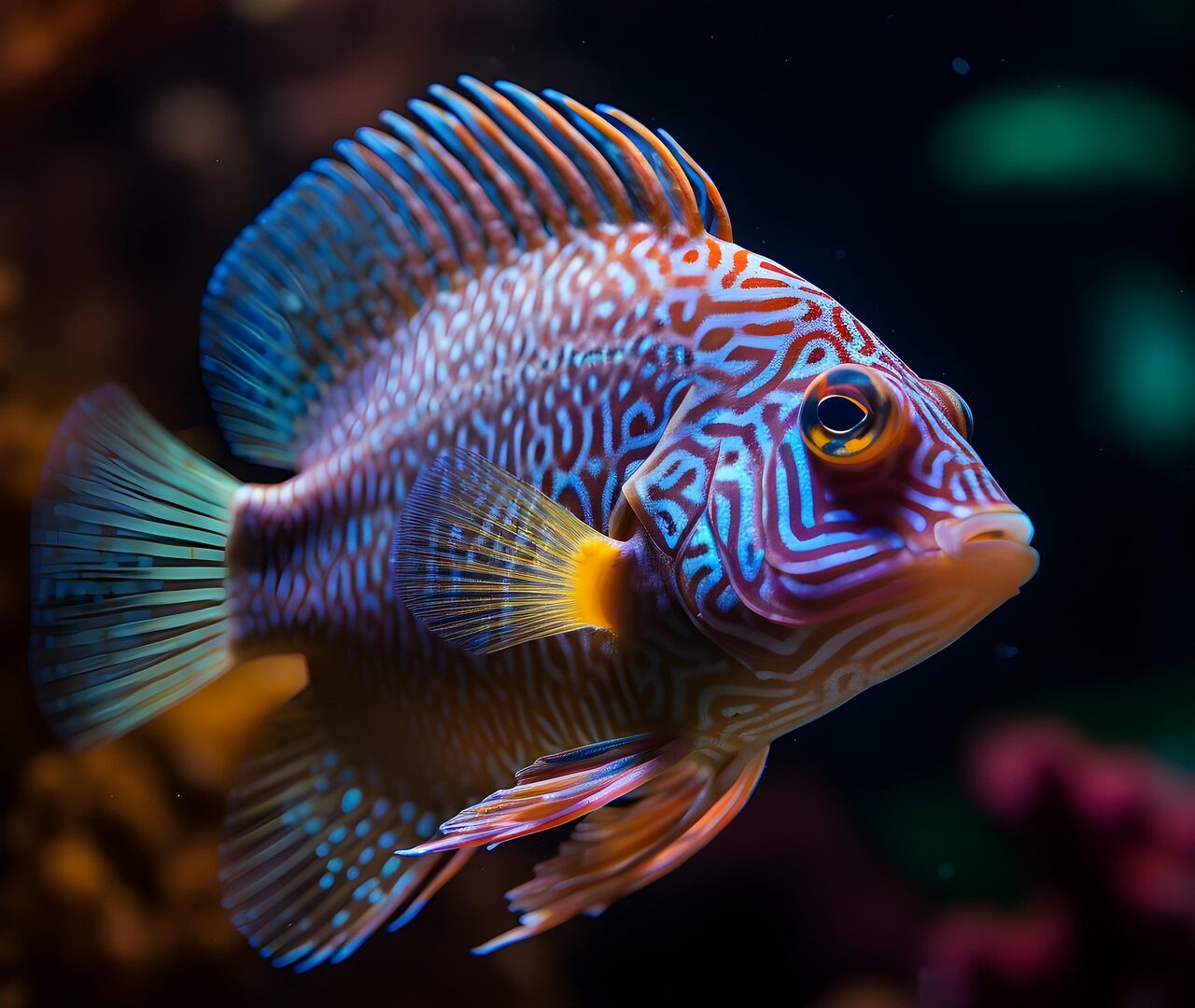
A healthy adult betta can survive up to 14 days without food, but the realistic safe cap for a fish you want to keep in good condition is closer to 5-7 days. How long can betta fish go without food matters most when you travel — the 14-day figure gets cited everywhere but it ignores Singapore-specific factors like tank size, age and existing stress load. This guide from Gensou Aquascaping at 5 Everton Park gives you the realistic numbers and the caveats that actually decide whether your fish makes it through your holiday.
Why 14 Days Is the Theoretical Max
Bettas evolved for boom-bust feeding. Wild fish gorge on insect larvae after rains, then survive lean weeks between. They store fat in the body cavity and around organs, then metabolise it during scarcity. A well-conditioned adult enters fasting with roughly 14 days of energy reserve. The figure originates from breeder observations and survives basic biological scrutiny — but treats it as the survival ceiling, not the comfort range.
Why 5-7 Days Is the Safer Cap
Past day five, a betta starts catabolising muscle and organ tissue. Immune function drops, slime coat thins, and fin regeneration stops. Beyond seven days the fish is recoverable but visibly smaller, paler and clamped. Past ten days you risk permanent damage even if the fish survives. For a hobbyist who wants to come home to a thriving fish rather than a surviving one, plan around the 5-7 day figure.
Variables That Shrink the Window
Three factors shorten safe fasting time. First, age — fish over 18 months have less reserve and are quicker to decline. Second, existing stress — a fish recovering from finrot or with chronic ich uses reserves on immune response. Third, water quality — uneaten food while you are away does not exist, but waste from before you left still cycles. Older or recently sick fish should not exceed 4-5 days.
Tank Size Matters Too
A 20-litre tank with a working filter and stable temperature buffers the betta through fasting better than a 4-litre cube. Larger water volumes hold parameter stability while you are away — temperature swings less, ammonia is diluted by mass. Filter from the filtration range running through the trip is non-negotiable; cycling stops after 24 hours without ammonia source so a planted, lightly bioloaded tank handles the absence best.
Singapore Ambient and Fasting
Tropical metabolism runs faster than temperate. A betta in a 28°C HDB tank burns reserves quicker than the same fish at 22°C in a UK flat. Practical implication: subtract a day or two from the 14-day theoretical max for Singapore conditions. If you must leave for two weeks, drop the tank temperature towards 24°C with aircon or a fan — slower metabolism extends survival meaningfully.
Holiday Feeding Blocks
Slow-release blocks bridge longer trips. The JBL ProNovo Bel Weekend dissolves over 7-10 days and provides daily nutrition without overfeeding. The Tropical Weekend Food serves the same role at SGD 4-6. Trial the block in your tank a week before travel — some fish ignore them, some bite chunks off too aggressively. Better to know in advance.
Automatic Feeders for Longer Trips
Beyond ten days, a battery-operated auto-feeder solves the problem. A YINSHENG Warmtone WT-180A Food Timer dispenses small portions of pellet on a programmable schedule and runs SGD 25-40. Test it for a week before you leave — feeders jam in Singapore humidity if pellets are not stored dry. Use a quality pellet from the betta food range and load just enough for the trip plus one day’s buffer.
Asking Someone to Feed
The riskier option, paradoxically. Well-meaning friends overfeed bettas more often than they underfeed. Pre-portion the food into a daily-dose pill organiser before you leave — three pellets per compartment, one compartment per day. Better still, schedule alternate-day feeding rather than daily, with explicit instruction to skip if previous food remains visible. Most fish lose more from overfeeding-related water crashes than from starvation.
The Fasting-Day Bonus
A weekly fasting day is genuinely good for adult bettas. Gut motility resets, constipation clears, and fat reserves regenerate. Many shop fish are kept on a six-day-feeding-one-day-fasting cycle as standard practice. Healthy bettas handle this without distress — appetite returns sharper on the next feed, and digestive issues drop measurably.
The Short Answer Restated
Up to 14 days for a healthy adult betta in a stable tank, but plan around 5-7 days for trips where the fish should still be thriving on return. Pre-test holiday food blocks before relying on them. For trips longer than 10 days, an auto-feeder beats a friend’s well-intentioned overfeeding. Older or stressed fish need shorter limits — adjust accordingly.
Related Reading



