
HDB Planted Tank Space Planning Guide: Footprint to Power Draw
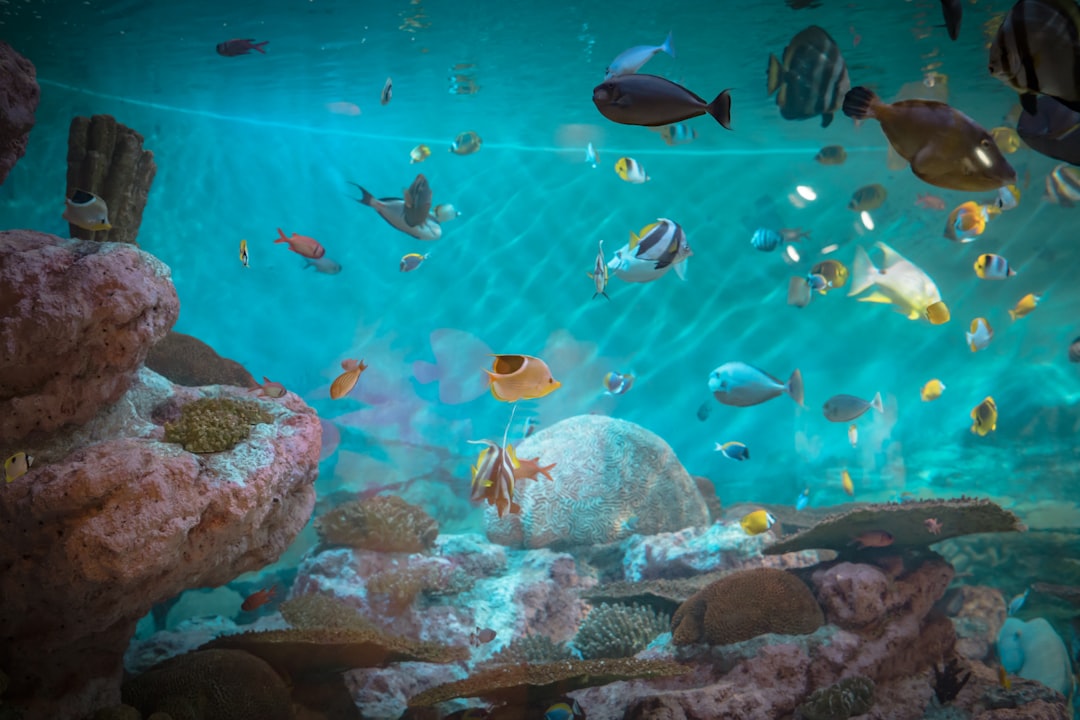
Singapore HDB flats present unique constraints for planted tanks: limited wall space, finite power outlets, neighbours sensitive to noise, and floor-load assumptions that creep in once tanks pass 200 litres. A well-planned hdb planted tank setup balances aesthetic ambition against the realities of a 90-square-metre flat with shared walls and ceiling fans on every circuit. This guide from Gensou Aquascaping at 5 Everton Park lays out the footprint, structural and power planning that keeps the tank thriving and the neighbours friendly.
Wall Placement Decisions
Avoid west-facing walls — afternoon sun pushes tank temperatures past 32°C and triggers algae blooms. South-facing walls in central Singapore receive less direct sun but still need a buffer. North and east walls work best. Stay 30cm clear of windows for evaporation management and 60cm clear of air-con vents which dehumidify the room and cool tank water unevenly. Internal walls between bedrooms tend to be lighter partition walls with limited load — verify before installing anything above 60cm length.
Floor Load Reality
HDB residential floors are rated for distributed loads of roughly 1.5 kPa, which translates to about 150 kg per square metre. A 60cm tank with cabinet and water lands at roughly 80-100 kg over a 0.2 square metre footprint — well within limits. A 120cm tank hits 250-320 kg over 0.5 square metres, also fine. The concern starts with 180cm and above where the load concentrates. Position larger tanks parallel to floor joists rather than across them, and centre the cabinet feet over structural elements where possible.
Footprint Templates by Flat Type
Three-room flats typically accommodate up to a 90x45cm tank in the living room without dominating the space. Four-room and five-room flats handle 120x45cm comfortably. Executive units fit 150cm builds. The cabinet depth matters as much as length — 45cm deep cabinets need 70cm of clear walkway behind any sofa or table to avoid traffic-flow issues. Browse footprint-matched options in the aquarium tanks and cabinets range.
Power Draw Calculations
A 60cm high-tech tank pulls roughly 80-120W continuous: 25-40W light, 15-25W canister filter, plus 5-10W for bubble counters and dosing pumps. A 90cm setup pushes 150-220W. Singapore residential circuits run on 20A breakers per room — a single circuit comfortably handles a tank plus standard living-room electronics. Avoid sharing the tank circuit with high-draw appliances like air-cons or kettles. A surge protector and an uninterrupted power supply for the canister filter prevent the worst outages.
Noise Considerations for HDB Walls
Filter hum at 30-35 decibels is barely audible during the day but carries through HDB walls at night. Position the cabinet against a non-shared wall where possible. Soft pads under the canister and a sound-dampening foam strip around the rim cut hum noticeably. CO2 solenoids click on and off — schedule them to engage at least an hour after typical sleep time and disengage before wake-up to reduce annoyance complaints.
Heat Output and Aircon Interaction
A high-tech 60cm tank dumps roughly 100-150 BTU per hour into the room — small but persistent. In an unventilated bedroom this raises ambient temperature by 0.5-1°C overnight. Aircon set to 24-26°C handles it without modification. The reverse problem matters too: heavy aircon use cools tank water below 24°C, which slows plant growth and stresses tropical fish. A small chiller is rarely needed but a fan helps in non-aircon rooms.
Water Source and Drainage Routing
The kitchen sink is usually the closest dechlorinated water source. A 25-metre flexible hose with a Python-style tap connector handles water changes for tanks up to 200 litres. Bathroom drainage works for waste water. For 90cm and larger tanks, plan a permanent fill line with a quick-disconnect coupling — the alternative of carrying buckets across tiled floors gets old fast and risks slips.
Visibility and Living Room Integration
Place the tank where viewing happens naturally — facing the sofa, not perpendicular to it. The optimal viewing distance is 1.5-2 times the tank length: a 90cm tank views best from 1.4-1.8 metres away. Wall-mounted shelving above the tank looks tempting but interferes with light fixture removal during maintenance. Keep at least 60cm of clear vertical space above the rim. Good aquascaping tools live on a magnetic strip on the cabinet side rather than a drawer, for daily access.
Ventilation and Humidity
An open-top tank evaporates 1-2 litres daily in HDB conditions, which raises room humidity by 5-10 per cent. In aircon-heavy units this is a positive. In naturally ventilated flats it can encourage mould on adjacent walls. A glass cover reduces evaporation by 70 per cent at the cost of CO2 efficiency in high-tech setups. Choose based on whichever trade-off matters more for your unit.
Maintenance Access and Storage
Plan storage for hardscape, spare equipment and consumables before the tank arrives. The cabinet itself holds the canister filter and CO2 cylinder — leave at least 40 per cent free for fertiliser bottles, test kits and tools. Consumables that take up surprising space include filter floss rolls, replacement bulbs, and substrate top-up bags. Maintenance tools like buckets and siphons need a separate storage spot near the bathroom.
Related Reading



