Biotope Research Build Method Guide: Source to Scape
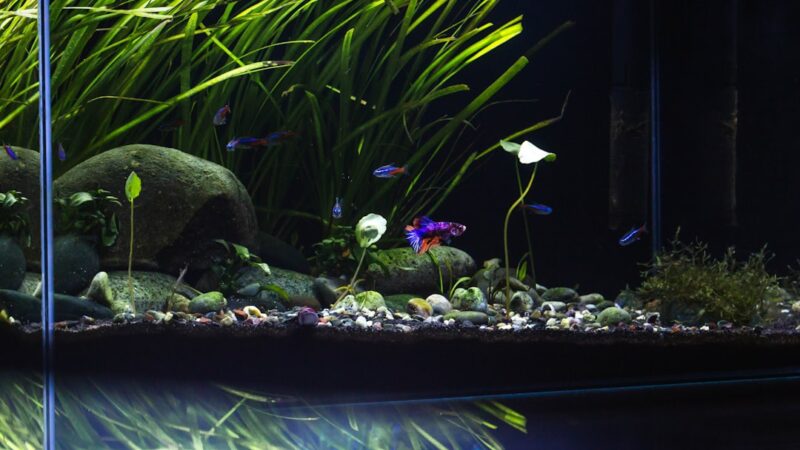
A biotope aquarium is a forensic recreation of a real-world habitat — every plant, fish, substrate grain and tannin level chosen to match a specific stretch of river or pond on Earth. Solid biotope research method separates the genuinely educational scape from the loose theme-park “Amazon-ish” tank that gets disqualified from competitions. This guide from Gensou Aquascaping at 5 Everton Park walks through the research workflow, the data sources that field biologists trust, and the pragmatic shortcuts for sourcing biotope-correct materials in Singapore.
Pick a Specific Stretch, Not a Region
“Amazon biotope” is meaningless because the Amazon basin spans habitats from blackwater igarapés to whitewater varzea. Pick a single named locality — for example, Rio Negro near Barcelos, or the Tahan River in Pahang Malaysia. Specificity unlocks usable data because field surveys publish parameters for named locations. Ask yourself: what is the country, the river basin, the dry-season versus wet-season character, and the substrate type at that location.
Primary Data Sources
Three reliable starting points: the Biotope Aquarium Project (biotope-aquarium.info) catalogues winning entries with parameter sheets; ResearchGate hosts ecological surveys with water chemistry data; iNaturalist provides geo-tagged species photos that confirm what actually lives where. Cross-reference a minimum of three sources before locking in your build. Wikipedia is a starting point only — primary literature trumps it every time.
Water Parameters as the Foundation
Get pH, GH, KH, conductivity and temperature for your chosen locality before sourcing anything. Blackwater Amazon habitats run pH 4.5-5.5, GH below 1, KH undetectable, 26-29°C. Tahan River runs pH 6.0-6.5, GH 1-2, 24-26°C. Match these in your tank using PUB tap water as a base and adjusting with RO water or peat filtration. Without parameter accuracy, the rest of the build is theatre.
Substrate Authenticity
Most blackwater habitats have fine quartz sand 0.5-1 mm grain, often with a layer of fallen leaves on top. Some Asian habitats have coarser laterite-rich sand. White play sand from a hardware store is a common substitute but iron-stained orange sand sourced from the decoration and substrate range better matches Amazonian igapó. Check field photos for grain colour and size — beginners over-design substrate when most real habitats are dull and uniform.
Hardscape Authenticity
Driftwood is universal in blackwater biotopes. Spider wood and Malaysian driftwood pass for Amazonian fallen branches; mopani is too dark and dense for most tropical contexts. Stone is rare in lowland blackwater habitats — using rocks in an Amazon biotope is generally wrong unless you are recreating a specific rapid stretch. Browse the aquascaping tool range to plan placement before you order materials.
Plant Choices and Geographic Authenticity
Most popular aquarium plants are not biotope-authentic anywhere. Cabomba, Echinodorus, Amazon swords, and Amazon frogbit are South American natives. Cryptocoryne species are Asian. Anubias is African. Rotala is Asian. Pick plants matching your chosen locality and reject anything else regardless of how good it looks. Many blackwater biotopes have minimal plant life — a substrate of leaves with one or two clumps of Echinodorus tenellus is more accurate than a planted jungle.
Leaf Litter and Tannins
Catappa, oak and beech leaves recreate the leaf substrate of blackwater habitats. Use 8-12 catappa leaves per 60 litres rotated every six weeks. Alder cones add tannins without bulk. Soak leaves for 24 hours before adding to prevent floating. The water tints a tea colour within 48 hours and pH drops by 0.3-0.7 units. Plan tank lighting accordingly because tannin-stained water absorbs blue spectrum heavily.
Fish Selection by Geography
Stock only species native to your chosen locality. Cardinal tetras, dwarf cichlids like Apistogramma agassizii, and pencilfish suit Rio Negro. Pearl gouramis, harlequin rasboras, kuhli loaches and chocolate gouramis suit Malayan peat swamp biotopes. Skip generic “tropical community” stocking. The aquarium tank range at suitable sizes (60-90 cm) houses most biotope-realistic stocking lists.
Singapore Sourcing Pragmatism
Biotope-authentic livestock can be hard to find locally. Iwarna and Polyart import wild-type tetras and dwarf cichlids on request, with lead times of 4-8 weeks. Carousell wholesalers occasionally stock pencilfish and wild apistos. For Asian biotopes, Tahan-region species are easier — kuhli loaches, harlequin rasboras and chocolate gouramis are stocked at most major shops. Budget a four-week research phase before any livestock purchase.
Related Reading