
Freshwater Angelfish FAQ: Pairing Aggression Tank Size
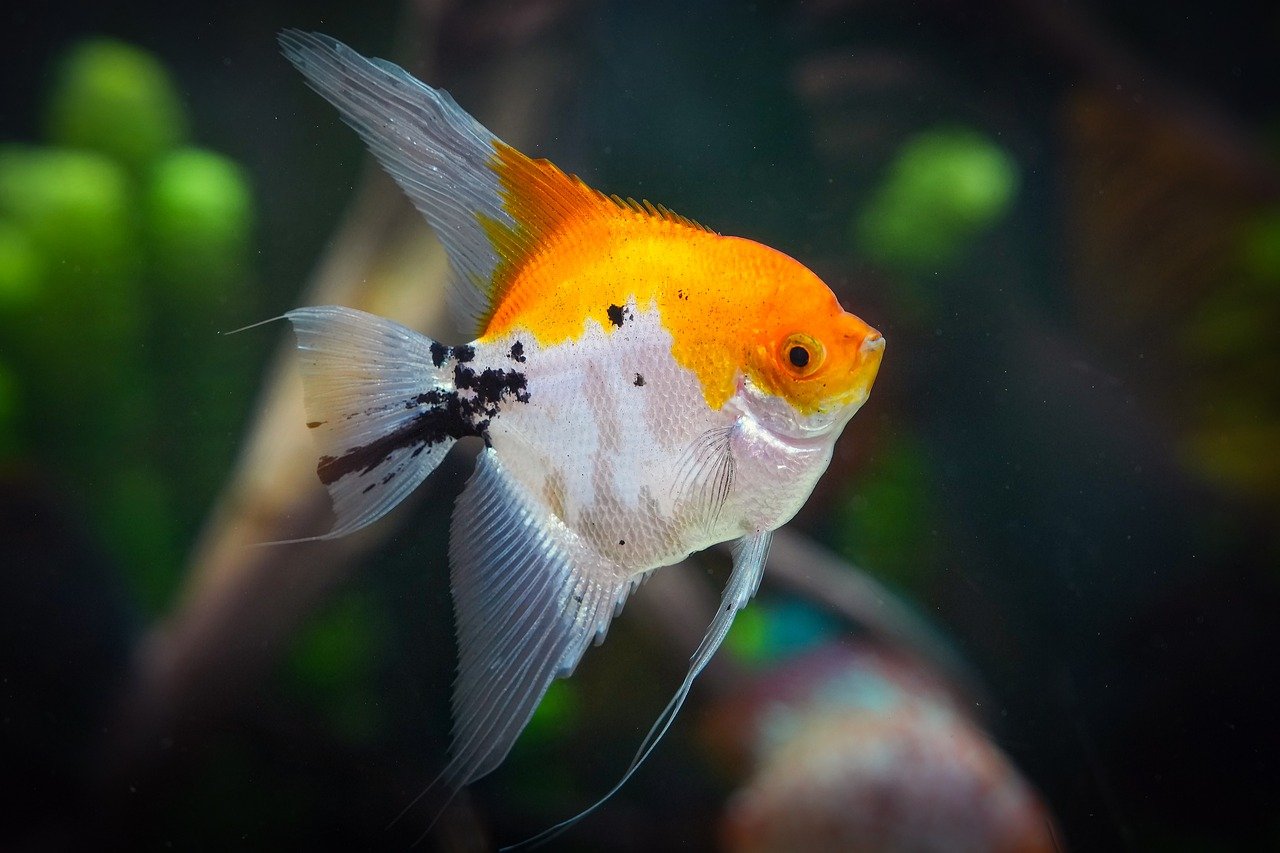
Angelfish are the cichlids most non-cichlid keepers end up with, drawn in by the elegant fins and graceful swimming, then surprised by the cichlid temperament when pairs form. The angelfish faq below answers what customers ask after the first month of ownership. This angelfish faq reflects two decades of consultations at Gensou Aquascaping in 5 Everton Park. Each question stands alone for snippet capture; this guide answers the eleven questions Singapore aquarists ask most about angelfish.
What Tank Size Does an Angelfish Need?
One adult angel needs 100 litres minimum, two need 150 litres, and a group of five or six requires 250 litres. The species (Pterophyllum scalare) reaches 15cm body length and 20cm height including the trailing fins. Tall tanks suit them better than long shallow ones because of their vertical body shape. Skip nano tanks entirely — the height alone rules out most cube setups.
How Long Do Angelfish Live?
Eight to ten years in well-kept tanks, occasionally crossing twelve. Show-line angels with extreme finnage and unusual colour mutations often live shorter — five to seven years — due to compromised genetics. Wild-strain altum angels (P. altum) are even longer-lived but rarely sold in Singapore.
How Do Angelfish Pair Up?
Angels self-pair from a group of six or more juveniles, usually around eight to twelve months old. The pair becomes recognisable through synchronised swimming, mutual fin-flaring at intruders, and territorial defence of a chosen flat surface. Pairs cannot be forced — adult angels paired by a keeper rarely accept the partner. Buy juveniles in groups and let nature select.
Are Angelfish Aggressive?
Yes, especially when paired or breeding. A bonded pair will exclude all other fish from a 100-litre tank during spawning. Outside breeding, angels show moderate aggression toward conspecifics in undersized tanks. Mixing angel pairs in tanks under 200 litres regularly ends in death of the weaker pair. Solo angels are typically peaceful.
What Tank Mates Work With Angelfish?
Adult angels eat neon tetras, guppies and small shrimp. Compatible tank mates include corydoras, larger tetras (rummynose, lemon, congo), kuhli loaches, peaceful gouramis, and bristlenose plecos. Avoid fin-nippers like tiger barbs and serpae tetras which target trailing fins. The fish food range covers omnivore needs.
Will Angelfish Eat Neon Tetras?
Adult angels eat anything that fits in their mouth, including neons, guppy fry, and ember tetras. Juveniles raised with neons sometimes leave them alone, but the gamble fails as often as it succeeds. Pair angels with tetras over 4cm body length — rummynose, lemon and pristella tetras are reliable choices.
How Do I Tell Male From Female?
Sexing angels is notoriously difficult. The most reliable indicator is the breeding tube — males have a thin pointed tube during spawning, females have a blunt thicker ovipositor. Outside breeding, body shape, fin length and colour are unreliable. Most experienced keepers buy six juveniles and let pairs form rather than trying to sex shop fish.
How Do Angelfish Breed?
Pairs lay 200-1000 eggs on a flat vertical surface — leaves, slate, or the tank glass. Both parents fan the eggs and defend the territory. Hatching takes 60 hours; free-swimming fry appear after a further four days. Many first-time pairs eat their first three or four batches before parental instincts mature.
What Water Parameters Do Angels Want?
Soft to moderately hard water (GH 3-8), pH 6.5-7.5, temperature 26-28°C. Singapore tap water suits commercial-strain angels well. Wild-caught altum and pterophyllum varieties need blackwater conditions with pH below 6 and very soft water — challenging in PUB conditions without RO supplementation.
What Should I Feed Angelfish?
Quality cichlid pellets as staple, with frozen bloodworm, brine shrimp and live blackworm as enrichment. Vary protein sources — angels fed only flakes develop dull colour and reduced finnage. Feed adults twice daily; juveniles three times. Fast one day weekly to prevent obesity. Live food drives spawning behaviour effectively.
Should I Use a Cover on the Tank?
Yes. Angelfish jump occasionally, particularly when stressed or chased. A glass lid prevents losses and reduces evaporation. Leave a small gap for surface gas exchange. The aquarium equipment range includes glass tops sized to common Singapore tank dimensions.
Related Reading



