
Nano Reef FAQ: Tank Size Equipment and Stocking
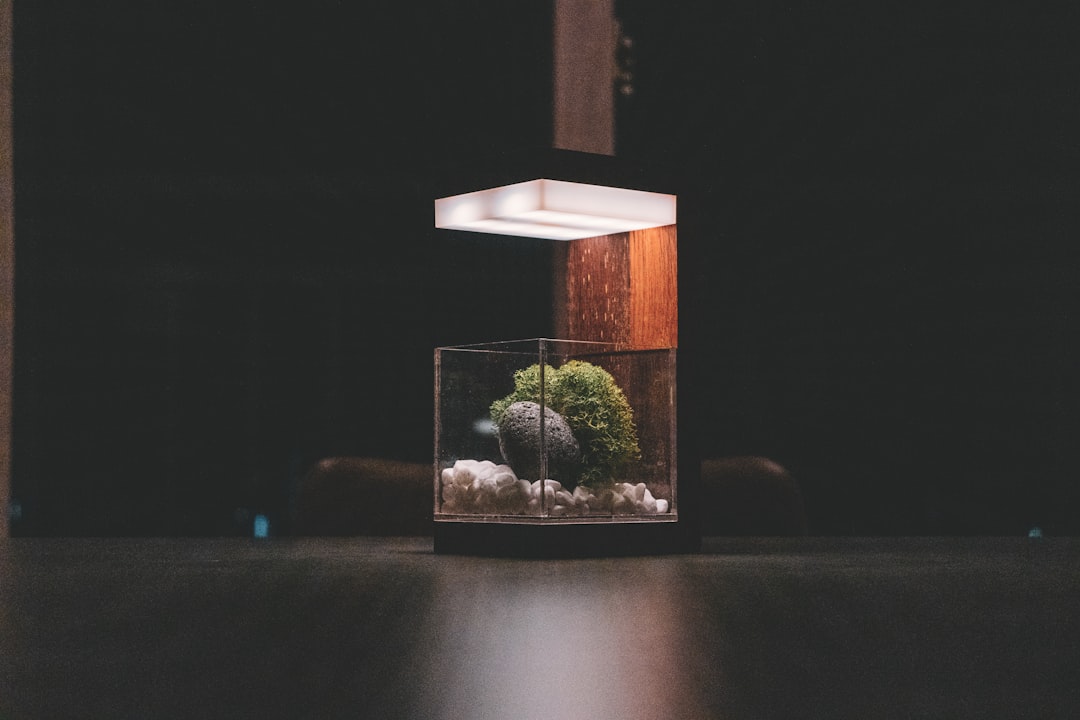
Nano reef tanks have democratised marine keeping for HDB-bound hobbyists who cannot dedicate a full living-room wall to a 600-litre system. The nano reef faq below answers the eleven questions Singapore beginners ask most often about size, equipment and stocking when planning their first reef. This guide from Gensou Aquascaping at 5 Everton Park covers SGD 2,500-4,000 entry budgets and AIO versus sump design choices, and this guide answers the eleven questions Singapore aquarists ask most about nano reef faq setup.
What Counts as a Nano Reef?
The hobby defines nano reef as anything under 100 litres displacement; pico reef applies under 40 litres. Most Singapore nano reefers run 60-90 litre AIO (all-in-one) cubes or rectangles such as the Red Sea Max Nano (75 L) or Innovative Marine Nuvo Fusion 20 (75 L). Tanks below 60 litres are technically possible but parameter swings are punishing for beginners — start at 60 L minimum.
How Much Does a Nano Reef Cost in Singapore?
A turnkey nano reef in Singapore lands at SGD 2,500-4,000 for hardware before livestock: AIO tank with cabinet (SGD 800-1,400), reef LED light (SGD 350-700), marine and saltwater equipment including return pump and powerhead (SGD 200-350), heater and chiller (SGD 600-900), test kits and salt mix (SGD 200-400). Live rock, salt water and corals add another SGD 800-1,500. Budget 30 per cent contingency.
AIO or Sump for a Nano?
AIO wins under 200 litres for most Singapore homes. The hidden rear chamber holds the heater, return pump, skimmer and media basket, eliminating the cabinet plumbing complexity. Sumps offer more flexibility (larger skimmer, refugium, ATO reservoir) but require dedicated cabinet space and a drilled tank. For a first nano reef in an HDB flat, AIO is the practical default. Consider a sump only when scaling beyond 150 litres.
Do I Need a Protein Skimmer for Nano?
Below 75 litres, weekly 10-15 per cent water changes can replace a skimmer entirely. From 75-150 litres, an in-sump or in-AIO nano skimmer such as the Tunze 9001 or Bubble Magus QQ1 from the marine saltwater range reduces water-change frequency and exports DOC efficiently. Above 150 litres, a skimmer is effectively essential. SGD 200-450 covers reliable nano-class skimmers.
How Many Fish Can a Nano Reef Hold?
The classic guideline of one inch per gallon does not apply to reef fish — territoriality matters more than volume. A 75-litre nano realistically holds two to four fish total: a clownfish pair plus one peaceful goby or cardinal. Avoid tangs, angelfish and butterfly fish in any nano. Stocking heavily produces nutrient spikes that crash sensitive corals within months.
What Corals Are Beginner-Friendly?
Soft corals tolerate parameter drift and indifferent lighting: zoanthids, mushrooms (Discosoma, Rhodactis), Xenia, Kenya tree, leather corals. LPS at the easier end include Duncans, frogspawn (Euphyllia divisa) and hammer (Euphyllia ancora). Skip SPS (Acropora, Montipora) for the first six months — they demand stable parameters and high-end lighting beyond most starter setups.
What Reef LED Should I Buy?
For a 60-cm nano, a single AI Prime 16HD or Kessil A80 (SGD 350-600) provides ample PAR for soft and LPS corals. Step up to a Radion XR15 (SGD 950-1,200) or twin AI Primes for SPS-capable lighting on a 75-90 cm tank. PAR target: 50-150 µmol at coral height for soft, 150-300 for LPS, 300-450 for SPS. A PAR meter rental from local clubs is cheaper than guessing.
How Do I Cycle a Nano Reef?
Live rock cycling takes four to six weeks. Fill with mixed saltwater at 1.025 SG, add 8-10 kg of cured live rock per 75 litres, run heater, lights, return pump and powerhead, and dose 1 ppm ammonium chloride from the water care range to feed the bacteria. Test ammonia, nitrite and nitrate weekly. Cycle is complete when ammonia and nitrite both read zero within 24 hours of dosing 2 ppm.
What Salinity and Temperature Should I Run?
Reef salinity targets 1.025-1.026 specific gravity (35 ppt salinity), measured with a refractometer calibrated against a 35 ppt reference solution. Temperature sits at 25-26°C — Singapore ambient at 28-31°C makes a chiller mandatory. Hailea HC-150A or HC-300A units (SGD 450-700) handle 60-100 litre nano reefs. Without a chiller, reef tanks routinely hit 30°C and bleach corals within weeks.
How Often Do I Test Water?
Weekly during cycling and the first three months: ammonia, nitrite, nitrate, phosphate, alkalinity, calcium, magnesium, salinity. Once mature, drop to bi-weekly testing of the big four (alkalinity, calcium, magnesium, salinity) plus monthly nitrate and phosphate. Salifert and Hanna are the trusted brands. Budget SGD 250-400 a year on test reagents — skipping tests is the single largest cause of nano reef crashes.
Can I Run a Nano Reef in an HDB Flat?
Yes — most Singapore nano reefers do. A 75-litre setup with stand, water and rock weighs around 100 kg, which any HDB floor handles. Position the tank away from the air-con vent path or build into a ventilated cabinet. Power draw runs SGD 25-40 monthly. Choose inverter chillers if bedroom-adjacent.
Related Reading



