
Aquarium Coral FAQ: Light Flow Feeding Aggression
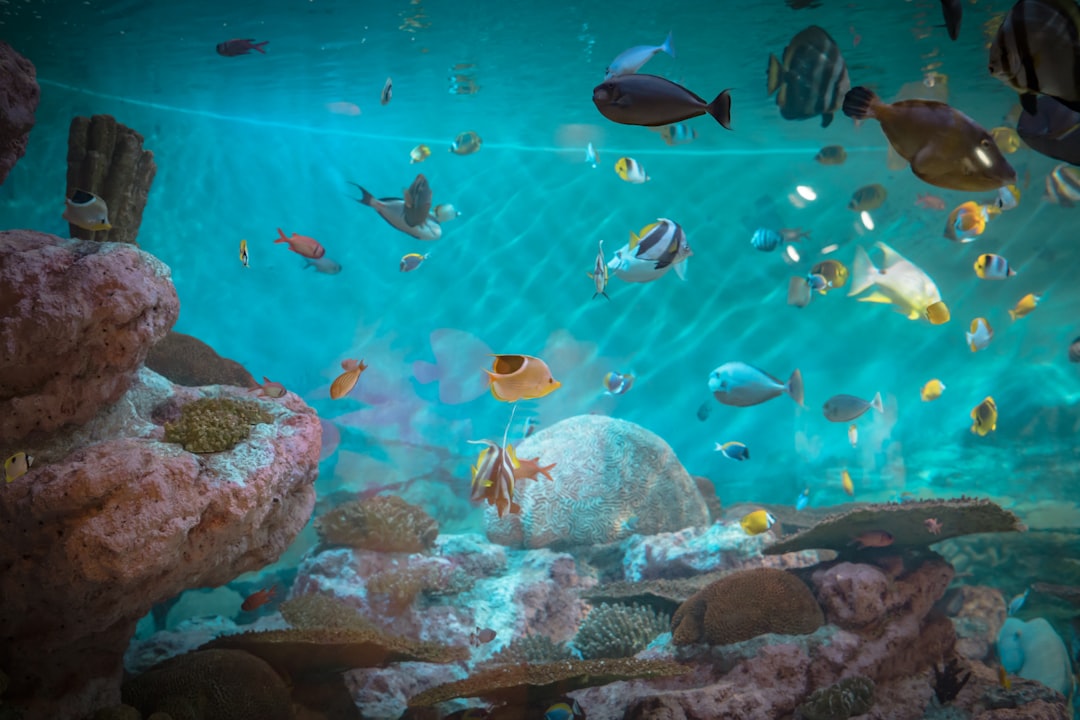
Coral husbandry rewards readers who treat each species as a distinct organism with light, flow and feeding preferences rather than a generic “reef-safe” placeholder. The aquarium coral faq compiled here answers the eleven questions Singapore reefers ask most often when stocking their first nano. This guide from Gensou Aquascaping at 5 Everton Park covers PAR tiers, sweeper tentacle aggression and the practical realities of feeding LPS in 75-150 litre setups, and this guide answers the eleven questions Singapore aquarists ask most about aquarium coral faq care.
How Much Light Do Corals Need?
Light requirements split into three PAR tiers. Soft corals (zoanthids, mushrooms, Xenia, leathers) thrive at 50-150 µmol. LPS (Euphyllia, Duncans, acans, brain corals) prefer 150-300 µmol. SPS (Acropora, Montipora, Stylophora) require 300-450 µmol with strong UV component. Use a PAR meter (Apogee MQ-510 rentals from local reef clubs) to map your tank rather than guessing from manufacturer marketing.
How Strong Should Flow Be?
Flow zones determine survival as much as light. Soft corals prefer gentle laminar flow (4-10 cm/s). LPS need moderate turbulent flow (10-25 cm/s) but not direct stream. SPS demand strong, randomised flow (25-40 cm/s) to deliver nutrients and shed mucus. A nano powerhead such as the Tunze NanoStream 6020 or Maxspect Gyre XF330 from the marine saltwater range set on pulse mode covers most 75-150 litre nano reefs.
Do I Need to Feed Corals?
Feeding corals separately accelerates growth and colour. LPS with visible mouths (Duncans, Acans, frogspawn) take Reef Roids twice weekly broadcast feed and mysis or Reef Frenzy spot-feed weekly with a turkey baster. Soft corals like zoanthids absorb nutrients passively from broadcast feeds. SPS rely primarily on nutrient uptake from light and DOC. Skip feeding entirely for the first month after a coral is added — let it acclimate before stressing it.
What Are Sweeper Tentacles?
Many LPS corals (frogspawn, hammer, torch — all Euphyllia species) extend long sweeper tentacles up to 10-15 cm at night to attack neighbouring corals. The sweepers carry potent nematocysts that burn or kill anything touched. Place Euphyllia colonies at least 20 cm from any other coral. Some Euphyllia species coexist with conspecifics but never with other genera. Plan placement with ultimate growth size in mind.
How Do I Acclimate New Corals?
Drip acclimate over 60-90 minutes to match the bag water to your tank parameters. Then dip the coral in a coral-safe iodine dip such as Coral Rx or Bayer for five to ten minutes to remove pests (red bugs, flatworms, nudibranchs). Mount in a low-light, low-flow corner of the tank for the first week, then move toward the intended placement. Sudden lighting changes bleach corals within days.
Why Is My Coral Closing Up?
Closed polyps for 24-48 hours after addition or relocation is normal — corals withdraw under stress and reopen as conditions stabilise. Persistent closure beyond a week indicates a problem: parameters out of range (test alkalinity, calcium, magnesium, salinity), pest infestation (look for red bugs, flatworms, AEFW under a magnifier), nearby aggression (Euphyllia stinging it), or low flow allowing detritus to settle on the polyps.
What Parameters Do Corals Need?
Stability matters more than absolute numbers. Targets: alkalinity 8-9 dKH, calcium 420-440 ppm, magnesium 1300-1400 ppm, nitrate 5-15 ppm (yes, not zero — corals need some nutrients), phosphate 0.03-0.10 ppm, salinity 1.025-1.026 SG, temperature 25-26°C. Test weekly with Salifert or Hanna kits from the water care range. Daily swings beyond 0.5 dKH alkalinity stress SPS within weeks.
Are Corals Sensitive to Copper?
Yes — copper kills corals and most invertebrates within hours of exposure. Never use copper-based fish medications in a reef tank. Treat fish in a separate quarantine tank. Even trace copper from old equipment or untreated tap water (Singapore PUB tap is generally low copper but not zero) damages corals over time. RODI water from a four-stage system is the standard answer.
Which Corals Are Beginner-Friendly?
Start with zoanthids, mushroom corals (Discosoma, Rhodactis), Xenia, Kenya tree and leathers (Sarcophyton, Sinularia). These tolerate parameter swings and indifferent lighting. Move to Duncans (Duncanopsammia axifuga) and frogspawn after three months of stable parameters. Save SPS for after six months of mastery. Singapore stocks all of the above through reef-focused shops and the marine saltwater range.
How Do I Frag a Coral?
Fragging propagates corals and pays for the hobby long-term. Soft corals: cut a 2-3 cm section with sharp scissors and glue to a frag plug with cyanoacrylate. LPS Euphyllia branching forms cut between branches with bone cutters. SPS Acropora cut tip frags with reef-safe pliers. Mount frags in a low-flow zone for one week, then move into the display. Sterilise tools between species to prevent disease transfer.
Why Is My Coral Bleaching?
Bleaching means the coral has expelled its symbiotic zooxanthellae, exposing the white skeleton beneath. Causes are temperature spikes above 28°C, light shock from new high-output LED at full intensity, sudden alkalinity swings, or chemical contamination. Move bleached corals to lower light, stabilise temperature with a chiller, and dose phytoplankton or coral food. Recovery takes four to twelve weeks if caught early.
Related Reading



