Top 10 Low Maintenance Aquarium Fish Roundup: Busy Lifestyle Picks
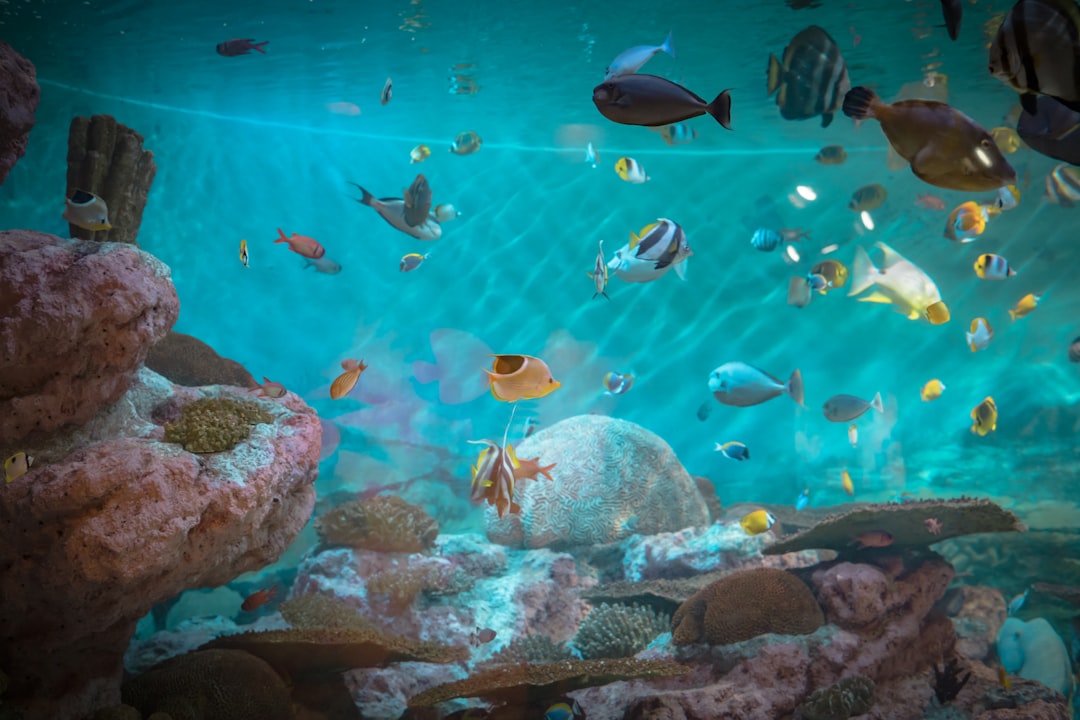
Low maintenance does not mean no maintenance — every aquarium needs weekly water changes and stable filtration. The top 10 low maintenance aquarium fish below are ranked by tolerance for skipped feeds, missed water changes, and parameter drift. This roundup from Gensou Aquascaping at 5 Everton Park lists species that handle a once-weekly 25 per cent water change, twice-daily feeds, and the occasional weekend trip without distress. Pair these picks with an oversized filter and a planted setup that absorbs nitrates organically — the combination cuts ongoing maintenance to a fraction of what unplanted setups demand, and the right plant selection runs months between trims.
Designing a Self-Balancing Tank
Fast-growing stem plants like hornwort, water sprite and ludwigia absorb ammonia and nitrate faster than the bacterial colony alone, reducing water-change frequency to fortnightly in lightly stocked setups. Floating species like frogbit and salvinia sit at the surface absorbing nutrients with their roots and shading the tank against algae. Stock at 60-70 per cent capacity and the tank essentially manages itself.
1. Guppy (Poecilia reticulata)
Tolerates fortnightly water changes when stocking is conservative. 4cm, trio per 15-litre tank. SGD 5-15 at Iwarna. Self-sustaining colonies after one breeding cycle — fry survive in dense planting without intervention from the keeper.
2. Platy (Xiphophorus maculatus)
Survives weeklong feeding gaps thanks to algae grazing. 5cm, mixed sex pair or trio. SGD 4-8. Singapore HDB tanks handle them with monthly partial water changes if the tank is densely planted with stem species that absorb nitrate fast.
3. Bristlenose Pleco (Ancistrus sp.)
Eats algae, biofilm, and the occasional algae wafer. 12cm, single male per tank. SGD 8-15. The lowest-maintenance bottom-dweller available locally — handles weekend trips without supplementary feeding when tank algae is established.
4. White Cloud Mountain Minnow (Tanichthys albonubes)
No heater needed, accepts wide temperature range. 4cm, group of eight. SGD 2-3 each. Long-lived (5-7 years) when stable and tolerant of the typical missed-feed scenarios busy hobbyists run into.
5. Endler’s Livebearer (Poecilia wingei)
Self-sustaining if stocking is conservative. 2.5cm, trio in 15-litre. SGD 8-15. Population caps naturally in well-planted nano tanks as fry predation balances new births. Pure N-class strains preserve colour over generations without intervention.
6. Harlequin Rasbora (Trigonostigma heteromorpha)
Long-lived (5+ years), peaceful, undemanding diet. 4.5cm, group of eight. SGD 2-4. Tolerates short feeding gaps and accepts a wide range of micro-pellet brands without rejection.
7. Cherry Barb (Puntius titteya)
Robust and forgiving. 5cm, group of six. SGD 3-5. Schools tighten with age — older groups need less behavioural management and rarely chase tankmates.
8. Zebra Danio (Danio rerio)
Eats almost anything from the flake range. 5cm, group of six. SGD 1-2. Active swimmers but undemanding — survive missed water changes and feeding gaps better than tetras of similar size.
9. Otocinclus (Otocinclus vittatus)
Self-feeds on biofilm — minimal owner intervention once established. 4cm, group of six. SGD 4-7. Caveat: requires mature tank with algae present — three months minimum cycling and biofilm establishment before adding.
10. Honey Gourami (Trichogaster chuna)
Air-breather, tolerates lower oxygen if filter falters briefly. 5cm, pair or trio. SGD 8-12. Pair with a planted setup using the aquascaping tools for a self-balancing low-maintenance system. Drift-feeders that pick from the surface and require minimal targeted feeding intervention. Males develop sunset-orange coloration over six months without any special diet — the colour comes naturally with maturity in stable conditions.
The species above all tolerate three to seven days without feeding when the tank is mature and well-planted. Skip automatic feeders for trips under a week — they often jam, spill or overfeed. For longer absences, use a battery-backed feeder dispensing small portions every other day, or arrange a neighbour to drop a single feed every 48 hours from a pre-portioned weekly pill organiser. Resist the urge to overfeed before leaving; the resulting ammonia spike does more damage than the missed feeds.
Related Reading