
Top 10 Shrimp Friendly Fish Roundup: Won’t Eat Cherries
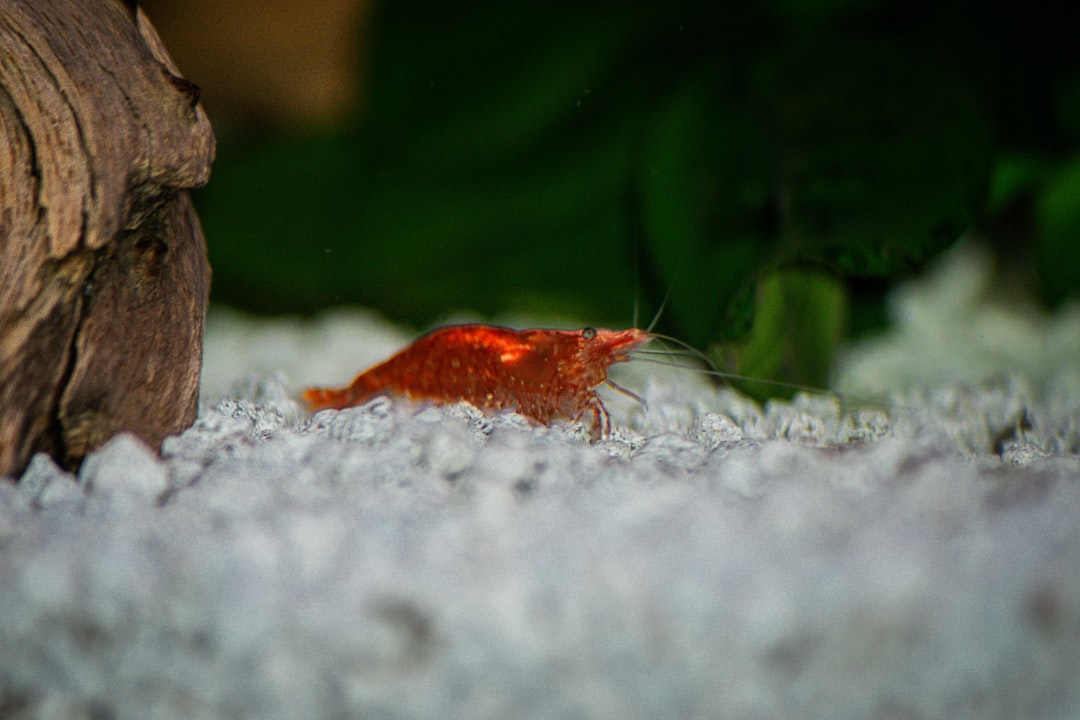
“Shrimp-safe” is a relative term — every fish eats juvenile shrimp if hungry enough, and the question is whether adults survive long enough to maintain a colony. The top 10 shrimp friendly fish ranked here favour species with mouths too small or behaviours too gentle to threaten adult cherry shrimp populations. This roundup from Gensou Aquascaping at 5 Everton Park covers picks tested across hundreds of cherry shrimp colonies. Each top 10 shrimp friendly fish entry includes the realistic predation rate on shrimplets and the colony density that justifies the pairing. Shrimp colonies need dense plant cover and mosses to provide shrimplet hiding spaces during the vulnerable first month — bare-bottom tanks rarely sustain shrimp populations alongside any fish. A mature colony of 50+ adults can absorb moderate shrimplet predation without declining. Stick with smaller-mouthed schooling fish under 4cm where possible — anything larger than 5cm starts viewing adult cherry shrimp as prey regardless of stated species temperament.
1. Otocinclus (Otocinclus sp.)
The 4cm sucker-mouth that physically cannot swallow shrimp. Group of six minimum. Petopia and Iwarna stock otos at SGD 3-7 each. They graze diatom and biofilm without disturbing shrimp activity. The single safest fish-shrimp pairing in the hobby. Pair with mosses from the aquatic plants range to support biofilm production for both species.
2. Pygmy Corydoras (Corydoras pygmaeus)
The 2.5cm shoaling cory that hovers in the lower water column rather than substrate-grubbing. Group of eight in 60-litre planted tanks. Iwarna lists captive-bred pygmies at SGD 5-10 each. They occasionally take newly-hatched shrimplets but adult shrimp are entirely safe.
3. Ember Tetra (Hyphessobrycon amandae)
2cm orange schoolers with mouths too small for adult cherry shrimp. Group of ten in a 30-litre planted nano. SGD 2-3 each. They take shrimplets at roughly 30% predation rate, which still allows colony growth in heavily planted tanks with mature breeding females.
4. Celestial Pearl Danio (Danio margaritatus)
2cm body, mouth size matches embers. Group of eight in heavily planted 60-litre tanks. Specialist breeders list captive-bred CPDs at SGD 4-8 each. Higher shrimplet predation than embers but adult shrimp coexist safely.
5. Endler Male (Poecilia wingei)
Pure N-class male Endlers stay 2.5cm — single-sex stocking prevents the population explosion that male-female stocking causes. Carousell breeders list male-only N-class trios at SGD 25-50. Mouth too small for adults; shrimplets at moderate risk.
6. Panda Corydoras (Corydoras panda)
Cool-tolerant 5cm cory with black-and-white panda-style markings. Group of six in a 75-litre tank. C328 stocks captive-bred pandas at SGD 8-15 each. Substrate-level scavengers that don’t compete with shrimp for food but may disturb breeding females nesting in mosses.
7. Scarlet Badis (Dario dario)
Tiny 2cm Indian micropredator with a stunning red display in mature males. Adults take shrimplets aggressively but adult cherries are safe. Iwarna lists captive-bred scarlet badis at SGD 8-15. Pair with ANS Catappa Leaves Small for the blackwater conditions both species enjoy.
8. Sparkling Gourami (Trichopsis pumila)
The 4cm croaking gourami audible at feeding time. Group of six in a 60-litre planted nano. Petopia stocks sparklings at SGD 5-10 each. They take shrimplets at moderate rate but generally ignore adult shrimp moving on substrate.
9. Pea Puffer — NOT SHRIMP-SAFE (Clarification)
Listed to correct a common mistake. Dwarf puffers eat any shrimp regardless of size — adult cherries get hunted to extinction within weeks. SGD 12-25 each. Some online sources mistakenly list pea puffers as shrimp-safe; they are not. Avoid this pairing absolutely.
10. Peacock Gudgeon (Tateurndina ocellicauda)
The 7cm pastel-blue micropredator. Adults eat any shrimp under 1.5cm — meaning juveniles, sub-adults and small adults. Only mature 2.5cm cherry shrimp adults survive. Iwarna lists peacock gudgeons at SGD 15-25. Suitable only for established large colonies where shrimplet losses are acceptable. Pair with a QANVEE Bio Sponge Filter on low flow that gudgeons prefer.
Related Reading



