
DIY Driftwood Soak Prep Protocol Guide: 14-Day Tannin Leach
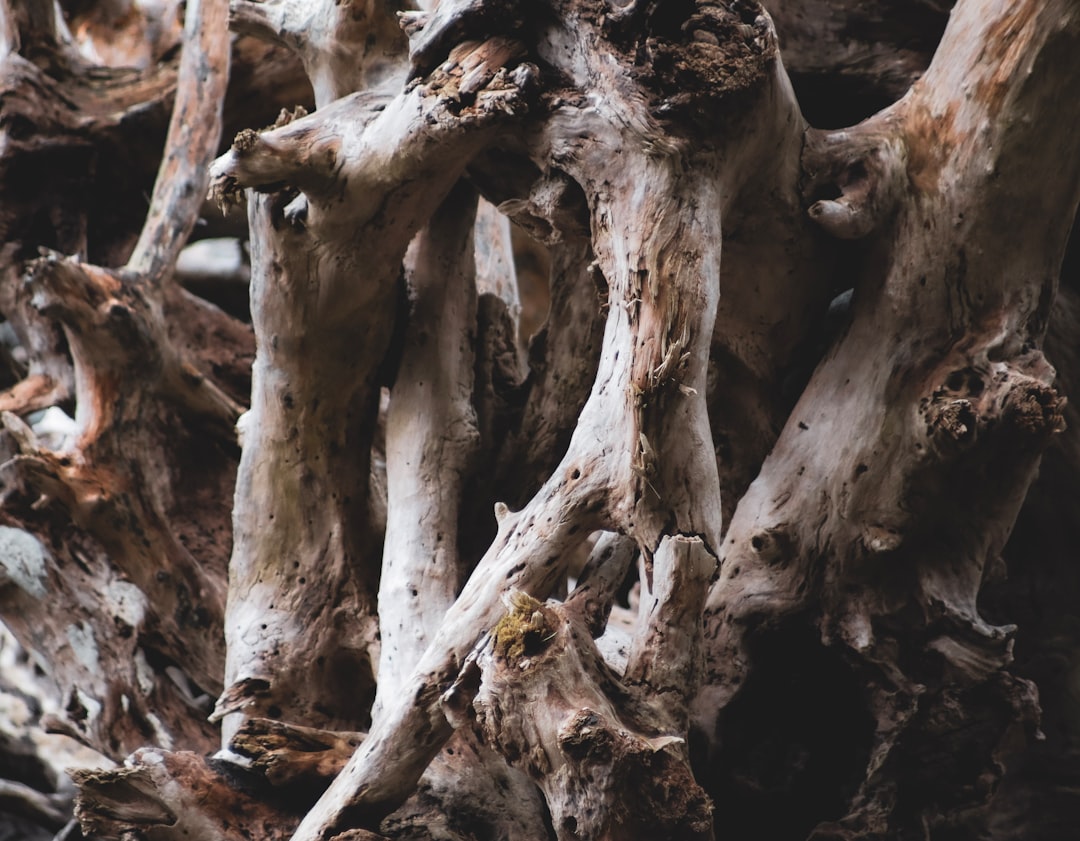
A fresh piece of spider wood or Malaysian driftwood floats stubbornly for weeks and stains tank water amber-brown for months if you skip the soak. The fix is not chemical and it is not optional — it is patience. DIY driftwood soak prep follows a fourteen-day daily water change protocol that pulls roughly 80 per cent of the surface tannins, sinks most pieces under 5kg, and leaves the wood biologically stable for hardscape work. This guide from Gensou Aquascaping at 5 Everton Park sets out the timeline week by week so you stop guessing when your scape is ready.
Materials and Tools
You need a container large enough to fully submerge the wood — a 60-litre polypropylene tub from IKEA SAMLA series (SGD 20) or a spare aquarium. Boiling kettle, weights to keep wood under (river stones from the decoration substrate category, bricks, or filled water bottles), a soft-bristle scrub brush, and bucket for daily water swaps. Optional — a thermometer to monitor cool-soak progress and a small powerhead to circulate during the third week.
Why This DIY Saves Money
Pre-soaked aquarium-grade driftwood from C328 or Y618 sells at SGD 35-80 per piece, with kiln-dried imports topping SGD 150. Raw wood from gardening shops at Sungei Tengah or hardscape sellers on Carousell costs SGD 8-25 for the same shape. Twelve hours of intermittent attention over fourteen days unlocks that 70 per cent saving. The trade-off is purely time, not quality — the resulting wood is identical to retail.
Step 1: Initial Scrub and Inspection
Run hot water over the wood and scrub vigorously with a stiff brush to remove loose bark, fungus and surface debris. Look for soft rotted spots — press firmly with a thumbnail. If the surface dents, the wood is too decayed for aquarium use and will foul the tank within weeks. Allocate twenty minutes for a thorough scrub on a 30cm piece.
Step 2: Hot Water Primary Soak
Place the wood in the tub and pour boiling water over it until fully covered. The thermal shock kills surface bacteria and accelerates tannin extraction. Add weights to keep the piece submerged — most fresh wood floats stubbornly until the cellulose is fully waterlogged. Drain and refill with hot tap water once the bath cools to room temperature, typically every six hours for the first day.
Step 3: Week One Daily Schedule
From day two, swap the soak water every twenty-four hours with fresh hot tap water. The discharge will be the colour of strong black tea — almost opaque. Photograph each daily water change to track tannin output. By day seven the colour drops to dark amber. Tannin extraction is non-linear; the bulk leaches in days one to four.
Step 4: Week Two Cold Soak Finishing
Switch to cold tap water for days eight to fourteen. The cooler temperature pulls the deeper-bound tannins more slowly but also lets bacterial colonisation begin, which actually accelerates wood ageing into something tank-safe. Daily water changes continue. By day eleven the discharge runs light amber and by day fourteen it should run almost clear with only a faint yellow tint.
Step 5: Sink Test
Remove the weights on day fourteen and check whether the wood stays submerged. Heavy hardwoods like Malaysian and Mopani sink reliably. Spider wood and Manzanita can take an extra week or remain stubbornly buoyant — for those, glue or wedge them between rocks during scape assembly. Test by leaving the wood unweighted overnight.
Sealing and Curing
No silicone is involved here, but the principle of curing applies. Once the soak completes, allow the wood twenty-four hours of contact with mineralised aquarium water before introducing livestock. The wood needs to swap surface water for the matched parameters. Heavy soakers like spider wood that still leak amber tea after fourteen days benefit from another week — patience is cheaper than crashing a SGD 200 shrimp colony with pH swings.
Aquasafe Test Before Use
Drop the prepared wood into a 10-litre bucket of tank water and leave for forty-eight hours. Test pH at start and end with a digital meter or API liquid kit. A drop of more than 0.3 pH units means tannins are still leaching at problematic levels — extend the soak by another week. The water should retain its clarity beyond a faint yellow. Foul smells, slimy biofilm patches, or floating oil indicate rot — discard the piece.
Maintenance and Lifespan
Properly soaked driftwood lasts five to ten years in a stable tank. Surface biofilm is normal in the first month and fades as Otocinclus and shrimp graze. Browse the aquascaping tools range for tweezers and scissors to attach moss or buce to the prepared wood. Cracks that develop after two to three years are mostly cosmetic — replace only if structural integrity fails.
Common Pitfalls
Skipping the cold-soak finish leaves residual tannins that release across the first three months in the display tank, lowering pH gradually and stressing fish. Boiling wood in a pot rather than steeping shortens fibres and weakens the structure. Bleach soaks are a hard no — bleach binds into the cellulose and leaches over months, killing shrimp and biofilm.
Related Reading



