
DIY Foam Background Aquarium Build Guide: Polystyrene to Carved 3D
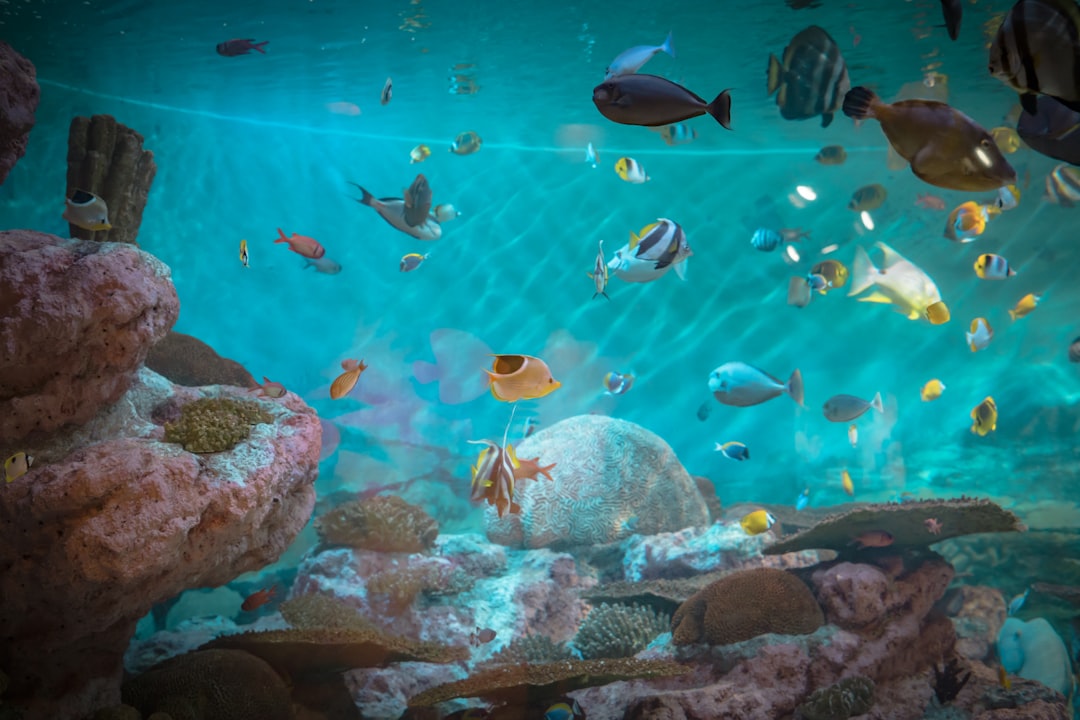
Branded 3D rock backgrounds for a 90cm tank cost SGD 280-450 in Singapore and ship at 8kg per panel, which means most hobbyists never bother. The kitchen-and-balcony alternative is a polystyrene foam build coated in cement and aquasafe paint — total budget under SGD 60 for a panel that looks identical from 30cm viewing distance. DIY foam background aquarium projects take three weekends of light work spread across two weeks of curing, and the result lasts decades. This guide from Gensou Aquascaping at 5 Everton Park covers materials sourcing, carving technique, and the critical aquasafe sealing steps.
Materials and Tools
One sheet of 50mm extruded polystyrene (EPS) from Sim Lim hardware or Lazada — SGD 18 for 90x60cm. GE Silicone I aquarium-safe (SGD 12 per tube). 5kg bag of Quikrete portland cement (SGD 8 from any HDB hardware shop). Aquasafe acrylic paint in earth tones — Liquitex Basics works, SGD 8 per tube. Two-part marine epoxy (Selleys 5-Minute, SGD 14). Tools — utility knife, hot wire cutter (SGD 25 on Shopee), wire brush, paint brushes 10mm and 25mm, mixing buckets, nitrile gloves. Total around SGD 60-80.
Why This DIY Saves Money
The cheapest 3D background panel for a 90cm tank from C328 or Y618 sits at SGD 280, with imported European brands above SGD 450. The DIY budget tops out at SGD 80 in materials. Across a typical aquascaper’s hobby span, building two or three custom panels saves SGD 600-1200, and the result is unique to your tank rather than a mass-produced texture seen in every shop window.
Step 1: Cut the Polystyrene to Size
Measure the rear glass panel from inside the rim — typically 5mm narrower than the external dimension. Cut the EPS sheet to these dimensions using a hot wire for clean edges, or a sharp utility knife with multiple passes. Test fit dry inside the empty tank. Allow 5mm clearance for silicone bedding later.
Step 2: Carve the Texture
Sketch the rockwall layout on the foam face — overlapping ledges, vertical cracks, recessed caves for shrimp or pleco hides. Carve the deep relief first with a long-blade knife, then build out finer detail with a soldering iron set to 250°C. The hot tip melts foam cleanly into stalactite and crack textures. Allow ninety minutes for a 90cm panel and ventilate the room — melted polystyrene fumes are unpleasant.
Step 3: Brush Cement Slurry Coat
Mix 200g portland cement with water to the consistency of double cream. Brush a thin layer across the entire carved surface using stippling motions to fill the texture pores. The cement gives the foam a stone-like surface hardness and accepts paint better than bare EPS. Apply two coats with two hours of drying between, building thickness in the cracks rather than the highlights.
Step 4: Cure the Cement
Cement curing must complete fully before water contact, or the alkalinity spike crashes tank pH. Mist the panel with water every twelve hours for the first week and let it air-dry for a second week. The white efflorescence on the surface is normal and brushes off with a wire brush at the end of curing. Skipping this two-week window will kill livestock within hours of flooding.
Step 5: Paint the Earth Tones
Mix three to four shades of earth tone — burnt umber, raw sienna, charcoal grey — and dry-brush in layers. Apply darkest shade in recesses, mid-tone across general surfaces, and highlight the high points with a near-white. Use Liquitex Basics or any artist-grade acrylic. Cheap craft paints contain plasticisers that leach. Allow forty-eight hours between coats and seventy-two hours after the final layer.
Step 6: Seal With Marine Epoxy
Mix two-part marine epoxy in 30g batches and brush across the entire painted surface with a 25mm brush. The epoxy locks in the paint, waterproofs the cement, and provides the final aquasafe barrier. Two coats are essential — one coat leaves micro-pinholes that weep water into the foam over months and trigger panel float.
Aquasafe Test Before Use
Cure the finished panel for a full seven days after the final epoxy coat. Submerge a 10cm corner sample in a glass of dechlorinated water with two test shrimp from the aquascaping tools range shop offerings for forty-eight hours. Healthy shrimp confirms safety. White vinegar test — drip vinegar on the painted surface; bubbling means cement is undercured and you need another week. Smell the panel after three hours of water contact — any plastic or solvent odour means the epoxy is incomplete.
Maintenance and Lifespan
A properly built and cured foam background lasts ten to fifteen years. Algae will colonise the textured surface within months — Otocinclus and shrimp graze it without damage and the look improves with biofilm patina. Pair the build with substrate from the decoration and substrate range to anchor the panel against the rear glass with silicone beads at four corners.
Common Pitfalls
Rushing the cement cure is the leading cause of failed panels — pH crashes within hours and you lose livestock. Using wrong silicone (kitchen or bathroom grades with mould inhibitors) leaches biocides for months. And avoid spray paints — even those labelled aquarium-safe contain solvents that take six months to fully outgas.
Related Reading



