Bacopa Salzmannii ‘Purple’ (Pot/TC Cup)
Description
Bacopa Salzmannii ‘Purple’
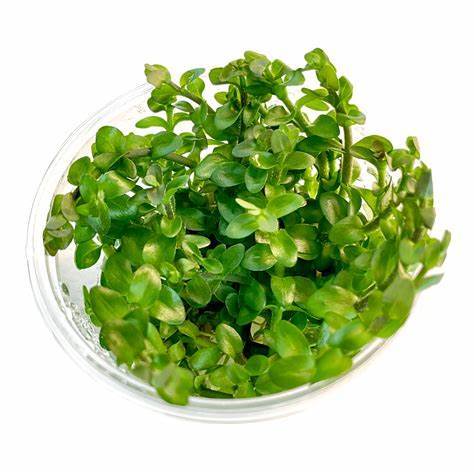
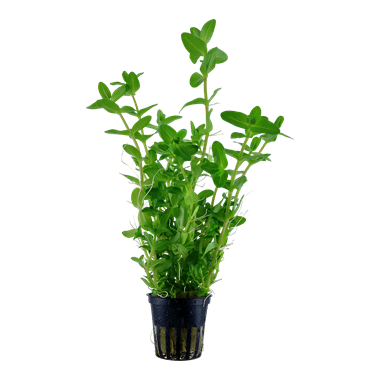
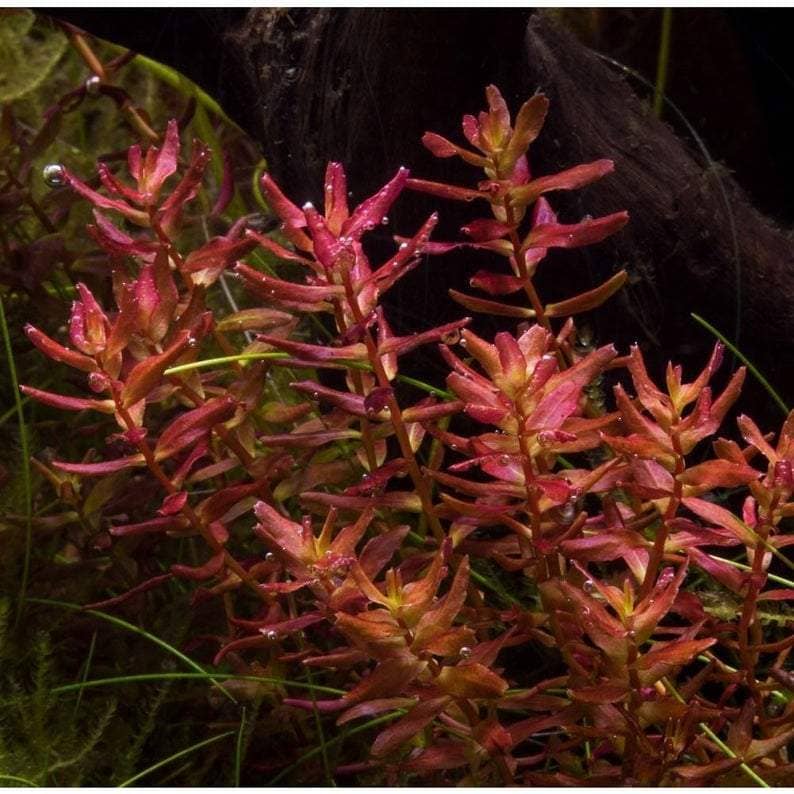
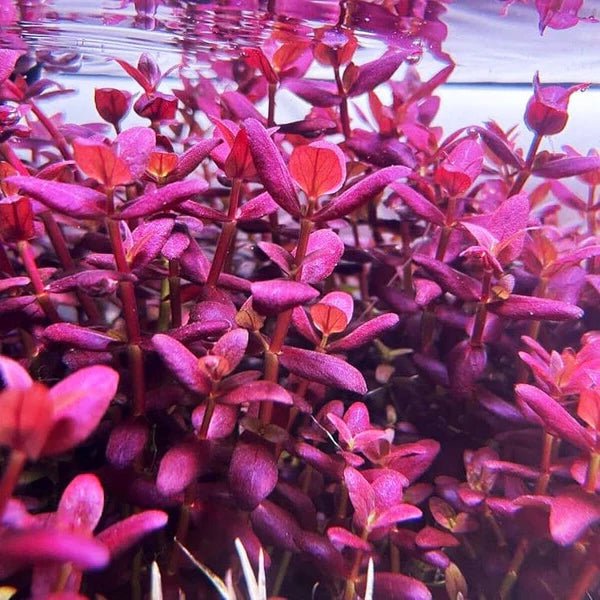
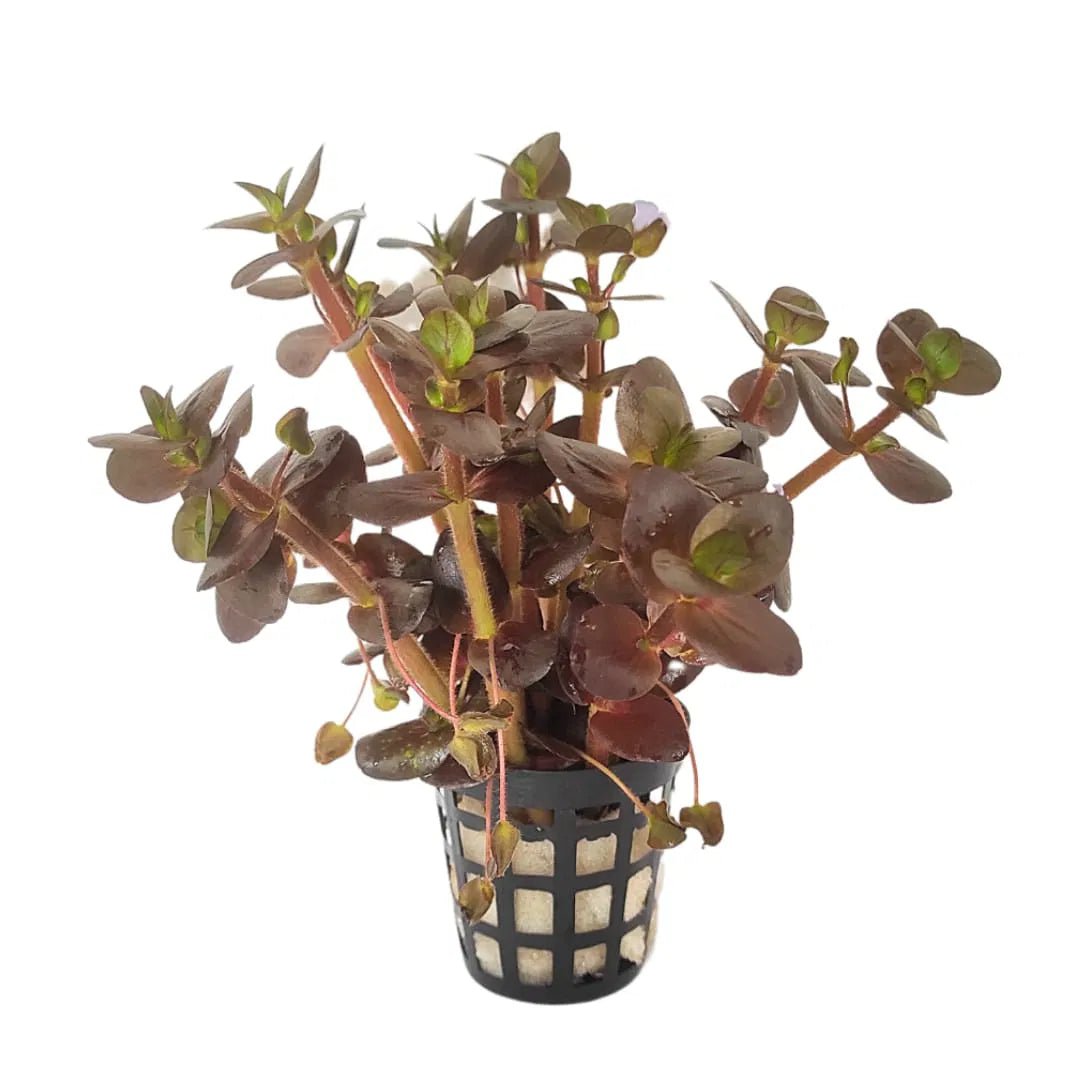
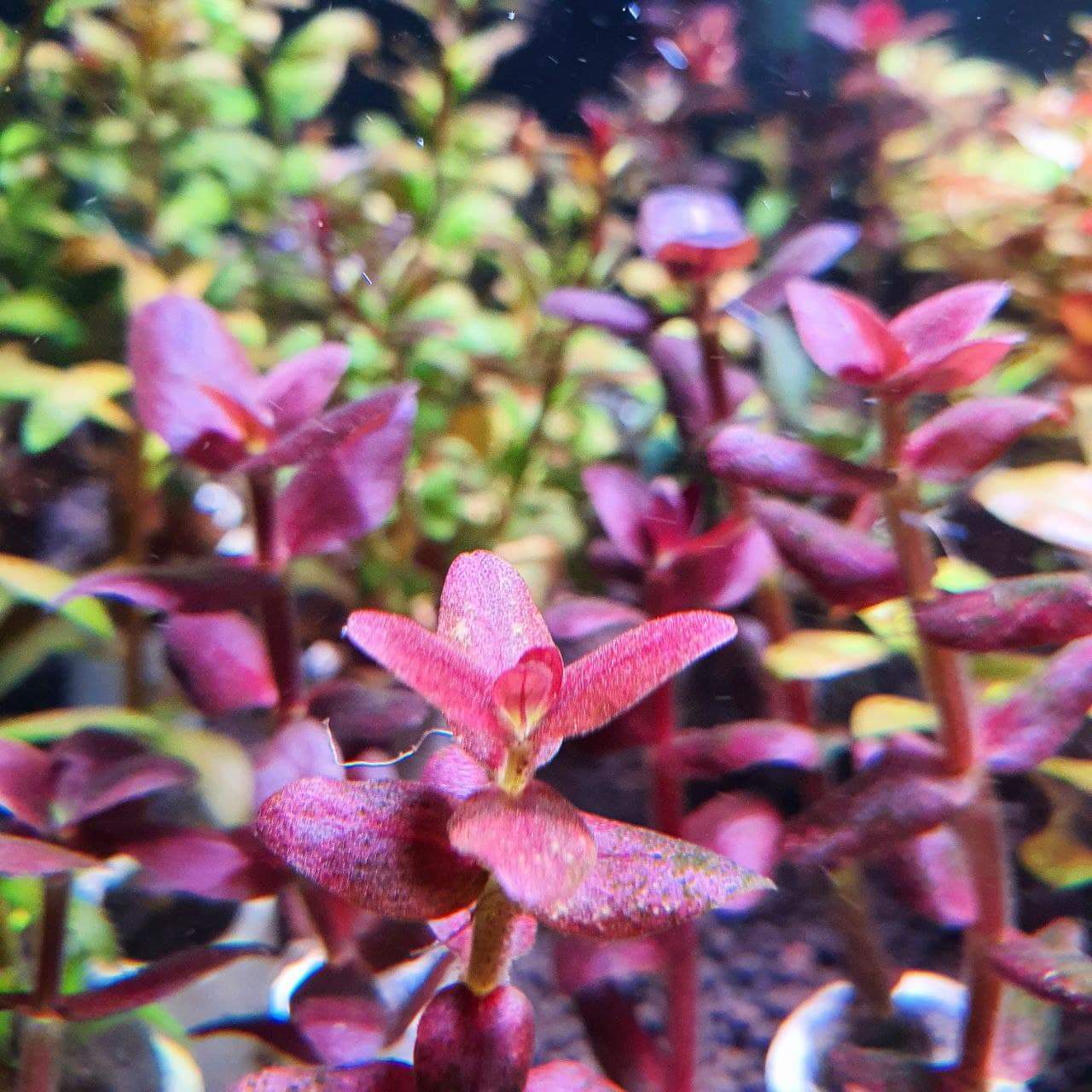
Bacopa salzmannii ‘Purple’ is a new beauty among the coloured aquarium plants. The submerged leaves are intensely dark purple in color and oval with a size of up to 2 cm. The new fatty leaf plant is quite easy to care for and rather slow growing. Medium to strong lighting is recommended, as well as a good supply of nutrients and of course, sufficient CO2. Bacopa salzmannii ‘Purple’ is well suited to a variety of set-up styles, e.g. in Holland aquariums or for aquascaping aquariums. The emerse use in a Wabi Kusa is certainly also interesting.
Plant Profile
Genus:
Bacopa
Species:
salzmannii ‘Purple’
Family:
Plantaginaceae
Origin:
South America
Light:
high
Temperature:
18-30°C
Growth rate:
medium
Area:
Middle ground
Height:
15 – 30 cm
pH:
5 – 7,5
Water hardness:
soft to moderate
Co2:
10-20 mg/l
Bacopa salzmannii ‘Purple’ for colour in Singapore aquascapes
Bacopa salzmannii ‘Purple’ is one of the more rewarding colour stems we carry, holding a deep purple in the submerged leaves when conditions suit it. To pull that colour through reliably in our tanks you will want medium to strong lighting, steady CO2 and a decent nutrient supply, since under weak light the plant tends to revert to green. It is slow growing, so it stays put and behaves well in a structured layout rather than overrunning it.
That patience pays off in Holland-style and contest scapes where a defined purple group adds contrast against green midground plants. It also takes nicely to emersed culture, which makes it a lovely candidate for a Wabi-Kusa if you want the colour above the waterline. Choose the potted form for an established head start or the TC cup for clean, pest-free plantlets when seeding a new tank.
Explore our wider background live plants range, and our guides on trimming and replanting stems and fixing stem melt after a rescape help it settle.