Acrylic Fish Tank Complete Guide: vs Glass Pros and Cons
Acrylic tanks polarise the Singapore aquascape community — lighter, tougher and more optically clear than glass, but prone to scratching and sensitive to tropical humidity in ways that surprise first-time buyers. This acrylic fish tank complete guide from Gensou Aquascaping at 5 Everton Park walks through the material properties that matter, the scratch-resistance myth, the clarity reality and how local fabricators compare with imported brands. After 20 years of servicing both glass and acrylic tanks in SG homes, we have strong opinions grounded in what actually lasts.
Acrylic vs Glass Weight
Acrylic weighs roughly half of glass for equivalent structural strength. A 120 cm 450 L tank in 15 mm acrylic weighs 32 kg empty; the same in 12 mm glass weighs 68 kg. For larger tanks, this matters — you can install an acrylic 500 L tank solo; glass requires 2-3 people and potentially a crane lift. HDB lifts with 500 kg load limits work for acrylic large tanks where glass needs alternative delivery.
Optical Clarity
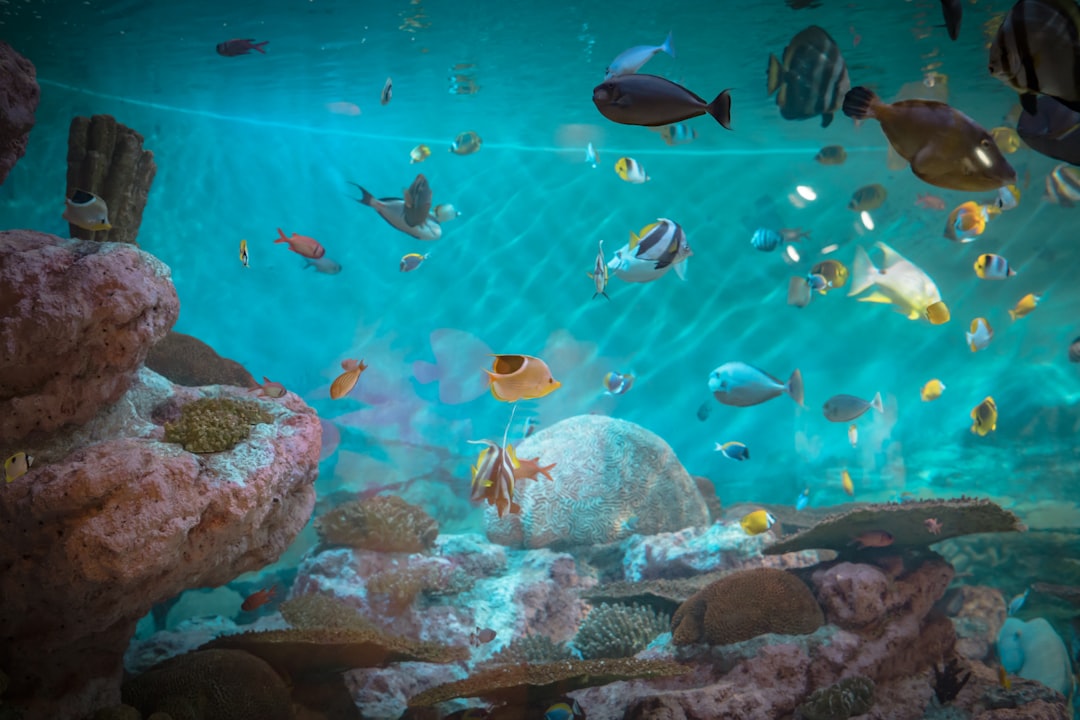
Cast acrylic transmits 92 per cent of visible light versus 91 per cent for standard float glass and 94 per cent for low-iron glass. In practice, acrylic reads as crystal-clear with no green tint at edges — visually superior to standard glass, roughly equal to low-iron. Colours of plants and fish render more accurately, especially reds and yellows that green-tinted glass mutes.
The Scratch Problem
Acrylic scratches at a Mohs hardness of 2-3. Sand grains (7) scratch it. Glass-cleaning algae magnets with hidden sand particles ruin acrylic tank faces in minutes. Use only acrylic-rated algae scrapers (SGD 18 at Green Chapter Jurong West), never standard magnets. Minor scratches polish out with Novus acrylic polish ($24 on Shopee); deep scratches require professional buffing at SGD 80-150.
Structural Strength
Acrylic outperforms glass under impact — glass shatters, acrylic flexes. A falling decoration that cracks a glass tank often bounces off acrylic harmlessly. For households with children, this matters. However, acrylic shows visible stress marks (crazing) if over-tightened at joints or exposed to organic solvents. Never clean acrylic with ammonia-based window cleaners — it will craze within weeks.
Singapore Humidity Considerations
Tropical 80-90 per cent humidity affects acrylic differently from glass. Acrylic absorbs 0.2-0.3 per cent water by weight over time, causing slight dimensional expansion. Well-built acrylic tanks accommodate this; poorly designed ones develop micro-stress at seam corners within 3-5 years. Check your tank annually for hairline crazing at joints, especially during December-February monsoon peaks when humidity sustains above 85 per cent.
Local Fabrication vs Import
Sungei Kadut acrylic workshops (JBL Acrylic, Serangoon Acrylic and others) fabricate custom tanks from SGD 280 for 60 cm up to SGD 4,800 for 180 cm showpieces. Quality varies — ask to see previous work, check seam consistency and solvent-welding technique. Imported brands like Clarity USA and Advanced Acrylics cost 2-3x but come with warranties. For most hobbyists, a reputable local fabricator delivers comparable build quality at a fraction of the price.
Temperature Behaviour
Acrylic handles sustained temperatures from 15-75°C without structural change. Normal aquarium ranges are trivial. However, acrylic deforms at around 95°C — keep heaters away from direct contact with acrylic walls. Use external inline heaters (Hydor ETH 200W SGD 95 at C328 Clementi) on acrylic tanks for zero risk of wall deformation.
Cleaning Protocol
Only use microfiber cloths and acrylic-specific cleaners. Forget paper towels — they scratch. Forget glass scrapers — they gouge. A good routine: magnet cleaner with acrylic-rated soft pad for weekly algae, Novus No. 2 polish monthly for clarity maintenance, Novus No. 1 for surface cleaning. Budget SGD 60/year for consumables on a 90 cm acrylic tank.
Longevity and Repair
A well-built acrylic tank lasts 15-25 years with proper care. Scratches, unlike glass, are repairable — buff and polish restores near-original clarity. Leaks at seams can be re-solvent-welded by the original fabricator. This repairability extends useful life significantly. Glass tanks with silicone failure often end up discarded; acrylic tanks get refurbished.
When to Choose Acrylic Over Glass
Large volume tanks (above 300 L) where weight matters. Households with impact risk (children, pets, rental moves). Custom shapes — acrylic moulds and bends in ways glass cannot. Budget custom fabrication — local acrylic beats custom glass on price for non-standard dimensions. Choose glass for: standard rimless aquascaping formats where ADA/UNS/Waterbox already make the tank, scratch-sensitive users, or competition-grade crystal-clear viewing where low-iron glass still has the optical edge.
Singapore Sourcing Summary
Local acrylic fabrication: Sungei Kadut workshops SGD 280-4,800 depending on size. Imported branded tanks: Clarity and Advanced Acrylics via specialist importers SGD 800-8,000. Acrylic-rated algae scrapers: Green Chapter Jurong West SGD 18-35. Novus polish (No. 1 clean, No. 2 fine scratch, No. 3 heavy scratch): Shopee SGD 24-35 per 236 ml bottle. Microfiber cloths: Daiso SGD 2 per 5-pack. Inline heaters: C328 Clementi (Hydor ETH SGD 95). Professional buffing for deep scratches: SGD 80-150 at the original fabricator or contact workshops directly.
Related Reading
- Rimless Fish Tank Complete Guide
- Cube Fish Tank Complete Guide
- Cylinder Fish Tank Complete Guide
- Aquarium Tank Buying Guide Singapore
- Large Aquarium Setup Guide Singapore