
Algae in Fish Tank Complete Guide: Types and Root Causes
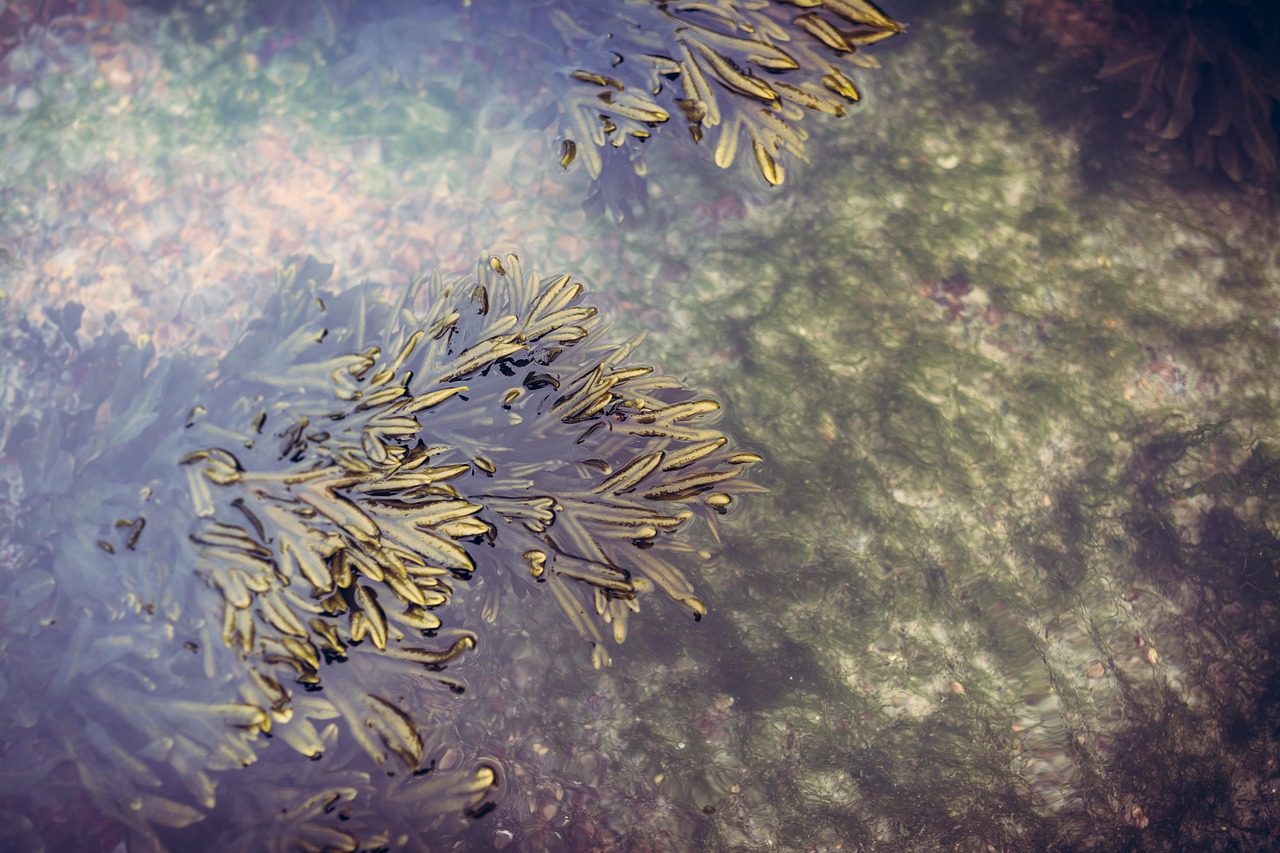
Every tank grows some algae and the goal is never zero — the goal is the balance at which plants and livestock outcompete nuisance species. This algae in fish tank complete guide walks through the main types you will see in Singapore tanks, what each one tells you about underlying chemistry, and how tropical conditions shift the usual rules. Gensou Aquascaping at 5 Everton Park has identified hundreds of algae cases across HDB, condo and shophouse tanks, and the patterns below cover nearly every scenario.
Why Algae Is Actually a Diagnostic Tool
Different algae thrive in different conditions. Treating the species tells you what to measure — nitrate, phosphate, CO2, flow, light intensity or photoperiod. A tank suddenly covered in black beard algae has different underlying problems than one covered in green dust. Learning to read the signals turns algae outbreaks from demoralising into informative.
The Main Types Seen in Singapore Tanks
Six algae groups cover 95 per cent of local cases:
- Brown algae (diatoms) — dusty brown film, new tanks, silica-driven.
- Green spot algae — hard green dots on glass and slow plants, low phosphate.
- Green dust algae — fine green film on glass, light-driven.
- Green hair and thread algae — filaments on plants, nutrient imbalance.
- Black beard algae — dark tufts on hardscape and leaf edges, poor CO2 or flow.
- Cyanobacteria — blue-green slime sheets, actually bacteria, often low nitrate.
Nutrient Triggers by Type
Algae species respond to nutrient ratios, not just totals. Green spot algae appears when phosphate drops below 0.5 mg/L. Green dust algae thrives at moderate nutrients and high light. Black beard algae loves fluctuating CO2 and stagnant flow. Cyanobacteria bloom when nitrate approaches zero while phosphate remains moderate — the opposite of what most hobbyists assume.
Light Intensity and Photoperiod Dynamics
The single biggest algae driver in SG tanks is overlighting combined with immature plant biomass. A tank with a 30-watt LED running 10 hours daily and only 20 per cent plant coverage will outgrow any livestock’s ability to control algae. Dial lighting to 6 hours during the first 3 months, ramp to 7-8 hours once plants fill in, and measure with a PAR meter or reduce intensity if plants show growth but algae outpaces them.
The Warm Water Factor
Singapore’s 28-30 degrees Celsius ambient temperature accelerates both algae and bacterial metabolism. Biological processes run 30-40 per cent faster than in 22 degrees Celsius temperate tanks, meaning algae blooms can appear within 48 hours of a parameter shift. The upside: remediation also works faster — a properly balanced tank recovers from algae in 1-2 weeks rather than the 3-4 weeks quoted on US forums.
CO2 and Flow in Planted Tanks
Planted tanks demand CO2 stability far more than high absolute CO2. Fluctuations between 10 and 30 mg/L across a photoperiod trigger black beard algae within weeks. Set up CO2 to run from 1 hour before lights on to 1 hour before lights off, and measure with a drop checker for bright green colour through the photoperiod. Flow should deliver CO2-saturated water to every leaf — weak flow or CO2 gaps cause BBA and green spot simultaneously.
Identifying the Root Cause in Your Tank
Use this diagnostic order:
- Test nitrate, phosphate, KH and pH.
- Note photoperiod duration and light intensity.
- Observe flow patterns across glass and plant tops.
- Check plant health — yellowing, pinholes, slow growth indicate nutrient deficits.
- Log stocking and feeding — overfeeding drives nitrate spikes invisible in clean-looking water.
Nine times out of ten the cause is clear within 15 minutes of the audit.
Clean-Up Crew as Long-Term Management
A baseline crew handles normal biofilm accumulation:
- Amano shrimp — 1 per 4 L, eat most green algae types, SGD 3-5 at C328 Clementi or Qian Hu.
- Nerite snails — 1 per 20 L, glass specialists, SGD 3-5 at Green Chapter Bedok.
- Otocinclus catfish — 4-6 per 60 L, diatom and soft film, SGD 6-10 at Iwarna Aquafarm.
- Siamese algae eater — 1 per 100 L, handles hair and BBA, SGD 4-8 at most LFS.
This crew suits planted community tanks; aggressive species like cichlids often harass the smaller grazers.
Prevention Beats Treatment Every Time
Consistent weekly water changes of 30 per cent, stable photoperiods via timers, moderate stocking, measured feeding and balanced fertilisation together prevent most algae outbreaks entirely. Chase stability, not perfection. A mature tank with minor background algae is healthier than a sterile tank teetering on imbalance — the microfilm feeds shrimp and snails and contributes to overall biological stability.
Related Reading



