
Amano Shrimp Care Guide: The Ultimate Algae-Eating Machine
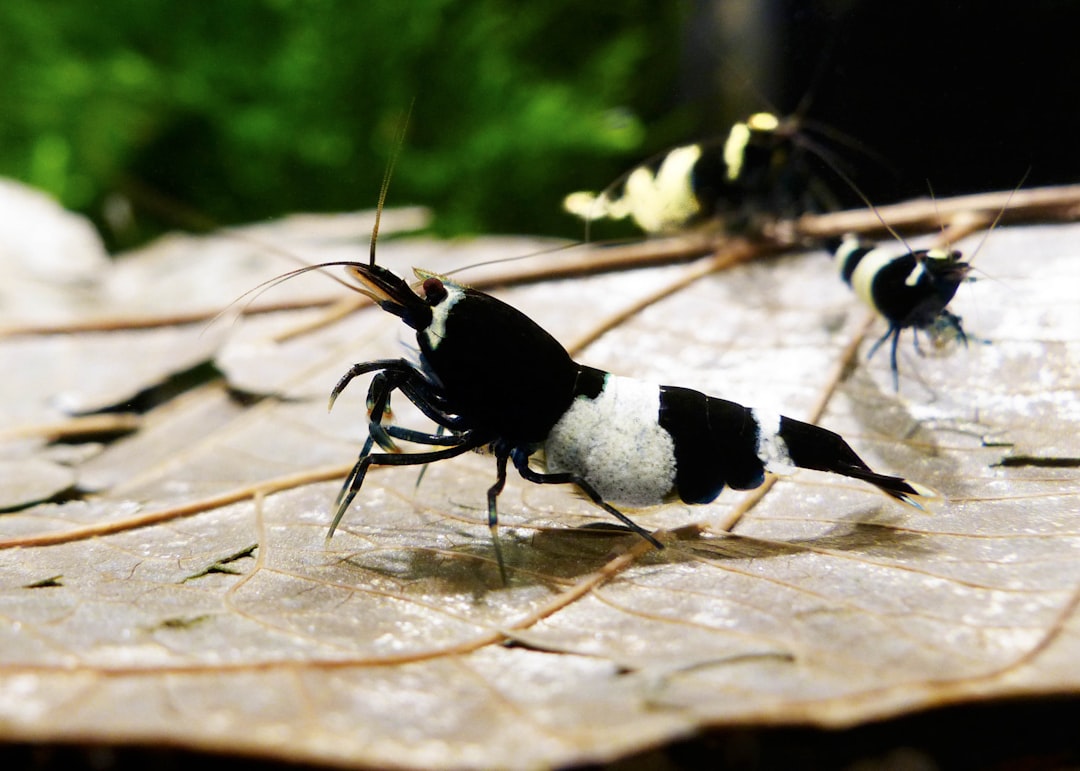
If you keep a planted aquarium, you have almost certainly heard of Amano shrimp. Named after the late Takashi Amano — the Japanese aquascaper who single-handedly elevated freshwater aquascaping into an art form — these unassuming crustaceans are considered the gold standard for biological algae control in planted tanks worldwide. This guide sits inside our broader Freshwater Aquarium Complete Beginner Hub reference.
Takashi Amano did not discover the species, but he was the first to systematically use large groups of them in his Nature Aquarium setups during the 1990s, demonstrating that a team of these shrimp could keep an elaborately planted tank virtually algae-free without chemicals. The hobby took notice, and the Amano shrimp has been a staple of planted tanks ever since.
But keeping Amano shrimp healthy — especially in Singapore’s warm climate — requires more than dropping them into a tank and hoping for the best. This guide covers everything you need to know.
Species Overview
The Amano shrimp (Caridina multidentata, formerly classified as Caridina japonica) is a freshwater shrimp native to Japan, Taiwan, and parts of mainland Asia. In the wild, adults live in freshwater streams and rivers, but their larvae require brackish water to survive — a quirk that makes breeding them in captivity exceptionally difficult.
Adults reach approximately 4 to 5 centimetres in length, with females being slightly larger than males. Their translucent grey-green bodies are marked with a line of reddish-brown dots along the flanks (dashes in females, distinct dots in males). They are not colourful shrimp — their appeal lies entirely in their work ethic and their fascinating behaviour.
Lifespan in captivity is typically 2 to 3 years with good care, though specimens living beyond 4 years are not unheard of.
Why Amano Shrimp Are the Best Algae Eaters
What makes Amano shrimp superior to other algae-eating shrimp (like cherry shrimp or bee shrimp) comes down to three factors:
- Size. At 4 to 5 centimetres, they are significantly larger than most dwarf shrimp species. This means each individual consumes more algae per day.
- Appetite. Amano shrimp are voracious and indiscriminate algae grazers. They will eat soft green algae, hair algae, and even pick at the dreaded black beard algae (though they will not eliminate established BBA on their own).
- Temperament. They are bold enough to graze in open areas during daylight, unlike many shrimp species that hide until the lights go out. You will see them working constantly, methodically cleaning plant leaves, hardscape, and glass.
For a standard 60-centimetre planted tank (approximately 60 litres), a group of 10 to 15 Amano shrimp provides excellent algae control. For larger tanks, scale up proportionally. They work best as a team — do not expect two or three shrimp to make a visible difference in a moderately sized tank.
Water Parameters
Amano shrimp are hardier than most dwarf shrimp species, but they are still invertebrates, and invertebrates are fundamentally less tolerant of water quality issues than fish. Here are the parameters to aim for:
| Parameter | Ideal Range | Tolerable Range |
|---|---|---|
| Temperature | 22–26°C | 20–28°C |
| pH | 6.5–7.5 | 6.0–8.0 |
| GH (General Hardness) | 6–8 dGH | 4–14 dGH |
| KH (Carbonate Hardness) | 3–6 dKH | 1–10 dKH |
| Ammonia | 0 ppm | 0 ppm (no tolerance) |
| Nitrite | 0 ppm | 0 ppm (no tolerance) |
| Nitrate | <10 ppm | <20 ppm |
| TDS | 150–250 ppm | 100–400 ppm |
The Singapore Temperature Challenge
The most significant challenge for Amano shrimp keepers in Singapore is temperature. Our ambient water temperatures of 28 to 32 degrees Celsius place these shrimp at or beyond the upper limit of their tolerable range. At sustained temperatures above 28°C, Amano shrimp become stressed, more susceptible to disease, and have a shortened lifespan.
Practical solutions include:
- Aquarium cooling fans. Clip-on fans that blow across the water surface can reduce temperatures by 2 to 4 degrees through evaporative cooling. This is the most cost-effective option and is often sufficient.
- Air-conditioned rooms. If the tank is in a room where air-conditioning runs regularly, ambient temperatures stay within acceptable range. Many Singaporean aquascapers keep their best setups in air-conditioned spaces specifically for this reason.
- Chillers. An aquarium chiller provides precise temperature control but represents a significant investment in both equipment cost and electricity. For dedicated shrimp keepers, it may be worthwhile.
The Chloramine Problem
This cannot be overstated: chloramine in Singapore’s tap water is lethal to shrimp at concentrations that fish can tolerate. PUB’s water treatment uses chloramine (a combination of chlorine and ammonia) because it is more stable and persistent than chlorine alone. This is good for human health but bad for invertebrates.
Always treat replacement water with a dechlorinator that neutralises both chlorine and chloramine (Seachem Prime is the industry standard). Never assume that letting water sit overnight is sufficient — chloramine does not dissipate the way free chlorine does. Treat every drop of new water, every time, without exception.
Tank Setup
Amano shrimp are not demanding about decor, but they do best in environments that mimic the conditions Takashi Amano designed for them: densely planted aquascapes with plenty of surface area for biofilm and algae growth.
Plants
Dense planting gives Amano shrimp both grazing surfaces and refuge. Mosses (Java moss, Christmas moss, flame moss) are particularly valuable as they provide enormous surface area relative to their footprint. Stem plants, ferns, and Anubias all work well. Avoid sharp-edged plants that could injure the shrimp during moulting.
Hardscape
Driftwood and porous rocks (like lava rock or dragon stone) provide additional grazing surfaces where biofilm accumulates. Driftwood is especially valuable as it develops a coating of biofilm that shrimp will graze on continuously.
Substrate
Any aquarium substrate works, but inert substrates (sand, gravel) or buffering substrates (ADA Amazonia, Tropica Soil) designed for planted tanks are ideal. Avoid substrates with sharp edges. Fine sand works well, as shrimp will sift through it looking for food particles.
Filtration
Good filtration is essential, but protect your shrimp from filter intakes. Cover the intake with a pre-filter sponge or stainless steel mesh guard. Amano shrimp are too large to be sucked into most filter intakes, but juvenile shrimp (on the rare occasion breeding occurs) and freshly moulted adults can be vulnerable.
Cover Your Tank
Amano shrimp are notorious escape artists. They can and will climb out of uncovered tanks, particularly when stressed by poor water quality, temperature spikes, or during the first few days after introduction. If you run a rimless tank, lower the water level by a centimetre or two and ensure there are no external filter tubes or cables that provide an exit route.
Feeding
In a mature planted tank with healthy algae and biofilm growth, a group of Amano shrimp may need little supplemental feeding. However, if the tank is clean (which is, after all, the point of having them), you should supplement their diet to keep them healthy.
- Algae wafers — A staple food. Drop one in after lights-out and watch the shrimp swarm it.
- Blanched vegetables — Zucchini, spinach, and cucumber are all accepted eagerly. Remove uneaten portions after 12 hours.
- Shrimp-specific pellets — Products like Shrimp King or Glasgarten provide a balanced diet formulated for invertebrates.
- Occasional protein — Frozen bloodworms or daphnia, offered once a week, support healthy moulting.
Do not overfeed. If your Amano shrimp stop grazing algae and instead wait around the feeding spot all day, you are feeding too much supplemental food. The whole point is to keep them slightly hungry so they do their job.
Moulting
Like all crustaceans, Amano shrimp periodically shed their exoskeleton (moult) to grow. This happens every 4 to 6 weeks in healthy adults and is a vulnerable period. Immediately after moulting, the shrimp’s new exoskeleton is soft, and the shrimp will hide for a day or two until it hardens.
Successful moulting requires adequate mineral content in the water — particularly calcium and magnesium (measured as GH). If your GH is too low, shrimp may struggle to form a proper new exoskeleton, leading to failed moults that can be fatal. Singapore’s tap water is moderately soft (GH around 2 to 4 dGH), so you may need to supplement with a GH remineraliser.
Leave the shed exoskeletons in the tank. The shrimp will eat them to recycle the minerals — this is normal and beneficial.
Breeding: Why It Is So Difficult
Amano shrimp breed readily in captivity — the females frequently carry eggs (visible as greenish-brown masses under the tail). However, the larvae require brackish water to survive. In freshwater, the tiny larvae will hatch, float around for a day or two, and then die.
Successful captive breeding requires:
- Collecting the berried female or newly hatched larvae
- Transferring larvae to a separate tank with brackish water (approximately 33 to 35 ppt salinity)
- Feeding the larvae with microscopic food (phytoplankton, powdered spirulina)
- Gradually reducing salinity over several weeks as the larvae metamorphose into juvenile shrimp
- Transferring the juveniles back to freshwater
This process is finicky and has a high failure rate even for experienced breeders. For most hobbyists, purchasing new Amano shrimp is more practical than attempting to breed them. This is also why Amano shrimp tend to be more expensive than easily bred species like cherry shrimp.
Tank Mates
Amano shrimp are peaceful and can be kept with most community fish. However, avoid housing them with:
- Large cichlids — Many cichlids will eat shrimp.
- Pufferfish — Crustaceans are a natural part of a puffer’s diet.
- Large, aggressive fish — Anything that can fit a shrimp in its mouth will eventually try.
Good tank mates include small tetras, rasboras, otocinclus, corydoras, and other peaceful community fish. Amano shrimp can also coexist peacefully with other shrimp species, though they will outcompete smaller shrimp for food at feeding time.
Troubleshooting Common Problems
Shrimp Dying After Introduction
This is almost always an acclimation issue. Amano shrimp are sensitive to sudden changes in water parameters, particularly pH, temperature, and TDS. Use the drip acclimation method: float the bag for 15 minutes to equalise temperature, then drip tank water into the bag over 60 to 90 minutes before gently netting the shrimp into the tank. Never pour the store’s water into your aquarium.
Shrimp Turning White or Opaque
This can indicate bacterial infection, stress, or an impending moult. If multiple shrimp turn opaque simultaneously, test your water parameters immediately — ammonia or nitrite spikes are the most likely culprits.
Shrimp Not Eating Algae
If you are feeding too much supplemental food, the shrimp will prefer the easy meal over grazing. Reduce supplemental feeding. Also, Amano shrimp do not eat all types of algae equally — they are most effective against soft green algae and hair algae, less effective against established black beard algae, and ineffective against green spot algae.
Shrimp Escaping the Tank
Amano shrimp climb out when something is wrong. Check your water parameters, ensure the temperature is not too high, and verify that ammonia and nitrite are at zero. Cover the tank or lower the water level. New shrimp are particularly prone to escaping during the first 48 hours.
Getting Started with Amano Shrimp in Singapore
Amano shrimp are widely available at local fish shops across Singapore, and we stock them regularly at Gensou’s shop. When purchasing, look for active, clear-bodied specimens that are visibly grazing. Avoid lethargic shrimp, shrimp with opaque patches, or shrimp from tanks with any dead specimens visible.
For new planted aquariums, we recommend waiting at least four to six weeks after setup before introducing Amano shrimp. This allows the tank to cycle fully and some natural biofilm and algae to establish — giving the shrimp something to eat from day one.
Need help setting up a planted tank that is shrimp-ready from the start? Our custom aquascaping service handles everything from design to livestock selection. Get in touch and let us build something beautiful.



