
Aquarium for Eye Clinics in Singapore: Soothing Focus
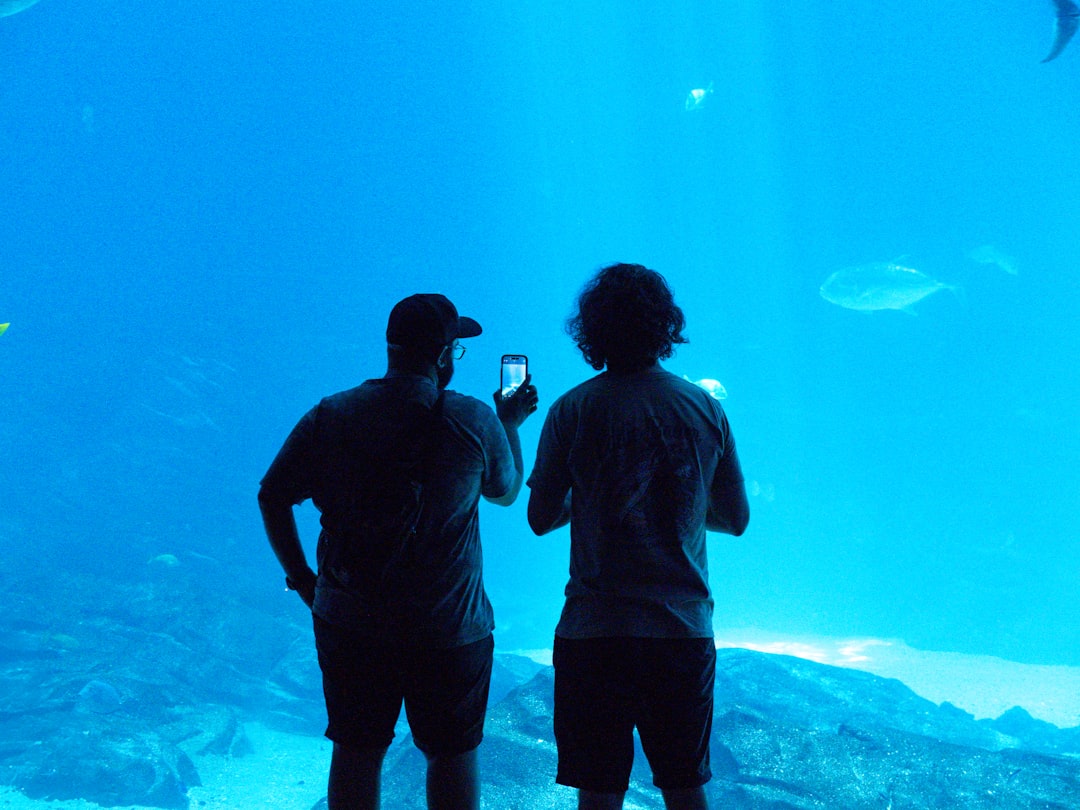
Eye clinics present a particular challenge in patient experience design. Patients often arrive anxious — whether facing a routine check-up, a glaucoma assessment, or a procedure — and the clinical environment can amplify that anxiety rather than ease it. An aquarium in a Singapore eye clinic addresses this directly: it provides a focal point that is gentle on vision-fatigued eyes, requires no effort to engage with, and has a documented calming effect on both heart rate and perceived wait time. Gensou Aquascaping at 5 Everton Park has installed aquariums for healthcare environments across Singapore, and this guide covers what works specifically in an ophthalmic clinic context.
The Evidence for Aquariums in Healthcare Settings
The case for aquariums in clinical environments is backed by research rather than mere aesthetics. A 2015 study published in Environment and Behavior found that aquariums in clinical waiting rooms significantly reduced anxiety markers and improved reported wellbeing in patients across age groups. Dementia patients and children showed the strongest responses, but adults of all ages demonstrated measurable reductions in systolic blood pressure after watching fish for as little as five minutes. For an eye clinic, where patients may already be experiencing anxiety about their visual health, these effects are directly relevant to clinical outcomes — a calmer patient cooperates better with examination procedures.
Visual Comfort: Choosing the Right Aquascape Style
An eye clinic is a particularly appropriate setting to consider the visual qualities of the aquascape itself. Harsh contrasts, rapidly flashing elements, or overly complex visual compositions may not be comfortable for patients with light sensitivity or who have recently had dilating drops administered. A softly lit planted aquascape — green and blue tones, gentle plant movement from moderate flow, and a calm school of small silver or blue fish — creates a visually restful composition that suits the clinical context. Avoid very bright LED systems with white or cool-blue spectrum at maximum intensity; a warmer, dimmer light set at 3,500 to 4,500 Kelvin is more comfortable for sensitive eyes.
Placement Strategy for Waiting Areas
The waiting area is the highest-priority location. Position the aquarium at seated eye level — approximately 100 centimetres from the floor to the tank centre — and ensure it is viewable from as many seats as possible without requiring patients to turn away from the reception desk. A wall-recessed or built-in aquarium works particularly well in clinic interiors where space is at a premium and a clean, clinical aesthetic must be maintained. The cabinet beneath should be finished in a material consistent with the clinic’s interior — white lacquer, light timber, or neutral laminate rather than aquarium-shop black.
Ensure the aquarium is positioned away from examination rooms and dilating drop administration areas. Patients emerging from a dilation examination are extremely light-sensitive — a brightly lit aquarium immediately outside an exam room is counterproductive. Place it where it serves the pre-appointment waiting experience rather than the post-examination recovery space.
Stocking and Design for Healthcare Credibility
In a healthcare environment, the aquarium must look impeccably maintained at all times. A slightly cloudy tank, algae on the glass, or floating dead plant leaves are incongruous with the cleanliness standards patients expect from a medical facility. Choose species and a plant selection that maintain their visual quality with predictable maintenance. Hardy, low-light plants like Anubias, Bucephalandra, and Java fern require minimal trimming and stay attractive between maintenance visits. Neocaridina shrimp in a clean, lightly planted setup are another low-maintenance option that adds engaging, fine-scale movement.
Noise and Equipment Considerations
Clinical environments are quieter than most commercial spaces — which means filter noise, pump vibration, or CO2 bubbling sounds are more noticeable and more disruptive. All equipment should be selected for minimum acoustic output. Sump filtration housed in a sealed cabinet, a quality silent-running return pump, and a filter return positioned below the waterline eliminate essentially all equipment noise. Avoid air-driven filtration in clinic settings — the persistent bubbling sound is irritating in a quiet waiting room.
Compliance and Infection Control
MOH-registered healthcare facilities in Singapore must maintain infection control standards that consider all environmental surfaces. A properly enclosed aquarium with no exposed water surface accessible to patients presents no infection control issue — the tank should have a fitted lid and the cabinet should be lockable to prevent patient tampering. Maintenance staff should follow clinic infection control protocols when servicing the tank: gloves, clean equipment, and no cross-contamination between aquarium equipment and clinical areas. Gensou Aquascaping’s maintenance team is experienced in working within clinical environments across Singapore. Contact us to discuss a custom aquarium installation for your eye clinic.
Related Reading
- Aquarium for Acupuncture Clinics: Meridian Calm
- Aquarium for Acupuncture Clinics in Singapore: Balance and Flow
- Aquarium for Aesthetic Clinics in Singapore: Beauty and Calm
- Aquarium for Chiropractic Clinics in Singapore: Spinal Calm
- Aquarium for a Dental Clinic Waiting Room: Calming Anxious Patients



