Aquarium for Hawker Centres and Food Courts: Durable and Eye-Catching
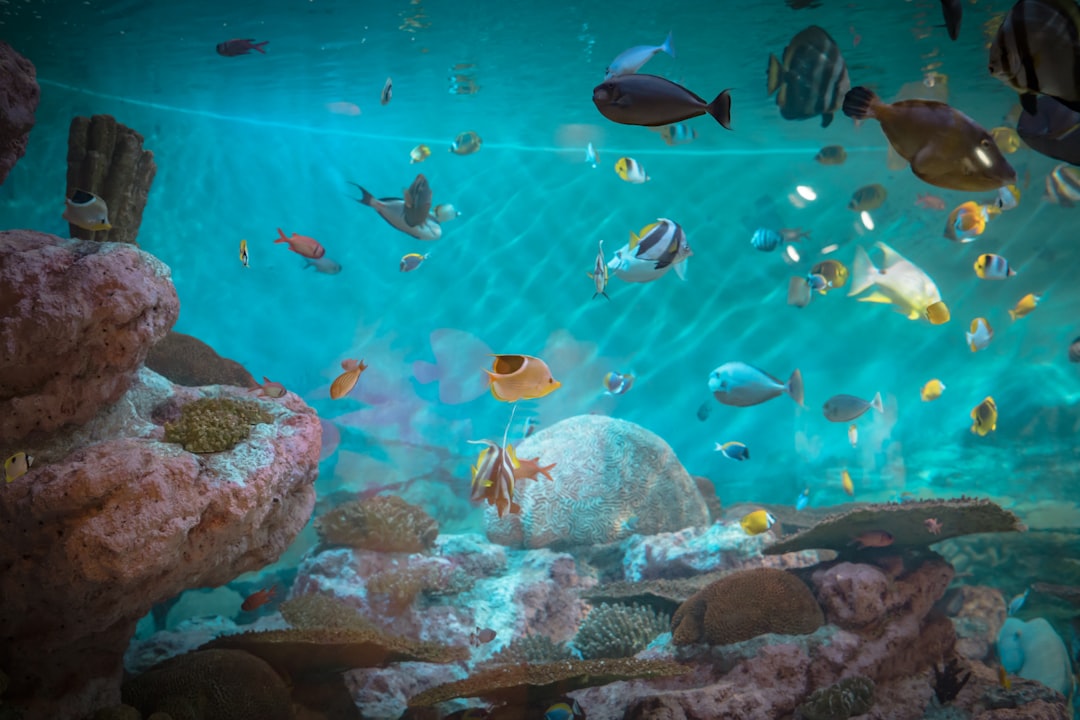
A hawker centre or food court aquarium is one of the most challenging — and most rewarding — commercial installations in the freshwater hobby. The environment is demanding: high ambient temperature, humidity, vibration from heavy foot traffic, proximity to food handling, and visitors who interact with the tank in unpredictable ways. Yet a well-executed aquarium for a hawker centre or food court creates a striking focal point that improves dwell time, gives children something to look at, and distinguishes the venue from every other stall-lined hall in Singapore. This guide from Gensou Aquascaping at 5 Everton Park draws on over 20 years of experience to give you a practical blueprint for success.
Understanding the Environment
Hawker centres and food courts in Singapore operate in conditions that challenge aquarium stability. Ambient temperatures in an outdoor or partially covered hawker centre can reach 32–35°C during midday, which will raise tank temperature above the safe range for most tropical fish without active cooling. Even in air-conditioned food courts, cooking heat from stalls and the constant opening of doors keeps temperatures at 27–29°C. Plan for this from the start — a fan-cooled tank or a small chiller is not a luxury in this environment; it’s a requirement for fish welfare.
Kitchen fumes, cooking vapours, and volatile compounds (particularly from wok cooking) can contaminate open-top tanks. Use a fully sealed lid on any aquarium in a space with active cooking, and ensure the tank’s air pump draws from a clean air source rather than the ambient air of the food court floor.
Tank Specifications for Durability
Choose a tank built for commercial use — thicker glass (10–12 mm for tanks above 150 litres), a robust cabinet that can withstand daily contact from cleaning crews and curious visitors, and a canister filter installed inside the cabinet rather than on the floor where it can be kicked or obstructed. Acrylic tanks are lighter and more impact-resistant than glass, which can be an advantage in a high-traffic setting, though acrylic scratches more easily from general contact.
A minimum size of 150 litres is recommended for a hawker centre or food court installation. Smaller tanks are harder to maintain water parameter stability in a variable-temperature environment, and they look undersized against the scale of a commercial food hall. A 200–300 litre display mounted at eye level on a purpose-built cabinet is the right proportion for most Singapore food courts.
Species That Tolerate a Challenging Environment
Species selection must prioritise hardiness and temperature tolerance above aesthetic preferences. Arowana (Scleropages formosus) are the traditional choice for high-end food courts and Chinese restaurants in Singapore — their cultural resonance (prosperity and luck associations in Chinese business culture) makes them a natural fit for F&B settings, and silver arowana handle variable conditions well. Note that Asian arowana (Scleropages formosus) are CITES-listed; ensure any purchase comes with the required CITES certificate and microchip documentation.
For a lower-budget or lower-maintenance display, large goldfish varieties such as Oranda and Ryukin are recognisable, culturally appropriate, and genuinely robust to temperature variation up to 30°C. Koi are impractical in an indoor food court setting — they require very large volumes and heavy filtration. Cichlids like Flowerhorn are another popular choice for bold colour display in commercial settings and are extremely hardy.
Filtration Must Be Oversized
In a food court environment, bioload and water quality deterioration happen faster than in a home aquarium. Organic particles from the air settle into open tanks, visitors drop food or other items in despite best efforts, and high temperatures accelerate decomposition. Size your filtration at four to five times the tank volume per hour, and consider a supplementary UV steriliser to manage waterborne bacteria in a high-traffic environment. Change filter media on a fortnightly rather than monthly schedule.
Install a pre-filter sponge on the canister intake and rinse it weekly — this simple addition dramatically reduces the frequency of full filter cleaning. In a busy food court, access to the filter for maintenance must be practical; design the cabinet with a front panel or side access that allows filter servicing without moving the entire unit.
NEA Compliance and Food Safety
The National Environment Agency (NEA) licenses food courts and hawker centres, and any installation within the licensed premises must not create a food safety risk. Position the aquarium so that water from the tank, during maintenance or if a leak occurs, cannot reach food preparation or serving areas. Obtain your landlord’s or operator’s written agreement before installation. Most NEA-licensed premises will require you to demonstrate that the installation meets hygiene standards — a closed-lid tank with drip-proof connections is the most defensible configuration.
Maintenance Scheduling in an Operational Venue
Hawker centres and food courts operate from early morning to late night with limited downtime. The most practical maintenance window is between midnight and 6 am, when most venues are closed for cleaning. Alternatively, early morning before 8 am — before peak breakfast trade — works for weekly water changes if you can access the venue. Assign a dedicated maintenance contact who has reliable access and familiarity with the installation.
Gensou Aquascaping provides commercial maintenance contracts for F&B and institutional aquariums across Singapore, including hawker centre and food court installations. A professional maintenance schedule gives venue operators peace of mind and ensures the tank always looks its best during trading hours, which is ultimately the point of having it there in the first place.
Related Reading