Aquarium for MRT Stations in Singapore: Transit Meets Tranquility
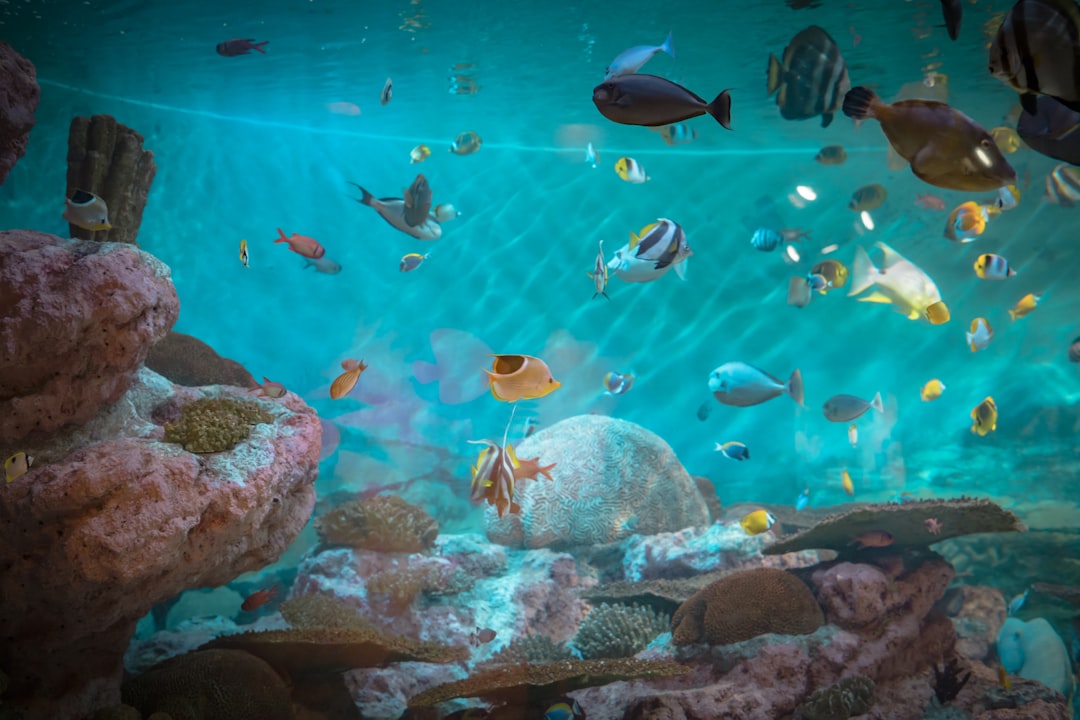
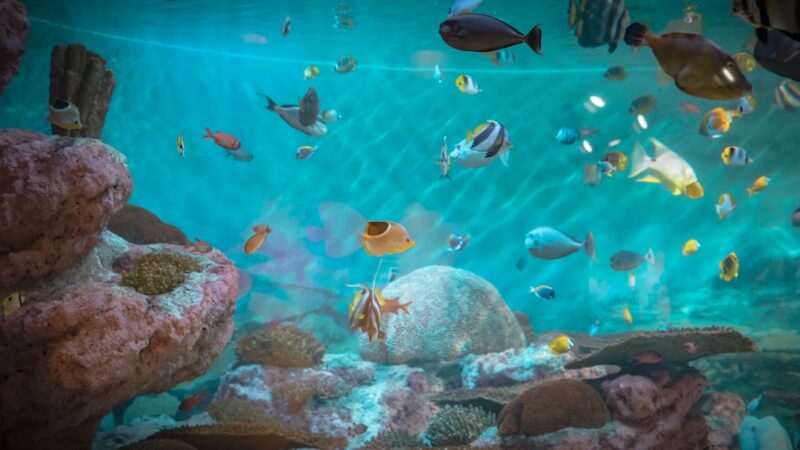
Millions of commuters pass through Singapore’s MRT stations every day, most staring at their phones as they wait on platforms bathed in fluorescent light. Now imagine a living reef embedded in the station wall, drawing eyes away from screens and into a world of colour and movement. The aquarium MRT station Singapore concept is not as far-fetched as it sounds, and Gensou Aquascaping Singapore believes it could redefine how we experience public transit.
Why MRT Stations Need a Touch of Nature
Singapore’s MRT network is efficient and expanding, but station environments remain largely utilitarian. Biophilic interventions — from vertical gardens at selected stations to art installations along the Thomson-East Coast Line — show that the Land Transport Authority already recognises the value of enriching commuter spaces. An aquarium display takes this a step further by introducing living organisms that move, interact and change over time, offering a dynamic element that static art cannot replicate.
Feasibility and Engineering Challenges
Transit environments present unique challenges. Vibration from passing trains, fluctuating passenger loads and strict safety regulations all must be addressed. Tanks would need to be recessed into walls with reinforced, shatter-resistant acrylic panels rated for public spaces. All equipment — pumps, sumps, dosing systems — would be housed in dedicated service rooms behind the display, accessible only to maintenance personnel. Seismic and vibration dampening is essential to protect livestock from the constant rumble of trains, though modern anti-vibration mounts used in commercial aquarium installations handle this effectively.
Ideal Locations Within the Network
Not every station is suitable. Interchange stations like Bishan, Jurong East and Dhoby Ghaut have high footfall and spacious concourse areas where a large display could serve as a landmark. Newer underground stations on the Thomson-East Coast and Cross Island Lines feature wide platform walls that could accommodate flush-mounted tanks. Above-ground stations with natural light might support planted freshwater displays that benefit from ambient daylight, reducing artificial lighting costs.
Species and Aquascape Selection
Hardiness is the top priority. Marine displays with brightly coloured fish — clownfish, royal grammas, firefish gobies — create instant visual impact and are immediately recognisable to the general public. However, freshwater displays are easier and cheaper to maintain at scale. A large nature-style aquascape featuring dramatic driftwood, lush plants and schools of neon tetras would captivate commuters just as effectively, at a fraction of the operational cost.
Themed displays tied to the station’s neighbourhood add local flavour. A station near East Coast Park might feature a marine biotope; one in the Botanic Gardens vicinity could showcase aquatic plants native to the region.
Maintenance and Operational Model
Public transit operates 18 hours a day, which limits physical maintenance windows to late-night closures. Automated systems — auto top-off, programmable LED lighting, remote water parameter monitoring — handle the day-to-day requirements. A professional maintenance team would visit each installation weekly during off-peak hours or overnight. Remote alerts for temperature spikes, pump failures or water level drops ensure rapid response without waiting for the next scheduled visit.
Cost Considerations and Funding
A single MRT station aquarium installation could cost $80,000-200,000 SGD depending on size and complexity, with monthly maintenance running $2,000-5,000. Corporate sponsorship offers a natural funding model — brands already advertise in stations, and sponsoring a living display generates far more positive association than a static billboard. Tourism boards, environmental agencies or community development councils could co-fund installations at selected stations as part of Singapore’s liveability and sustainability initiatives.
A Vision Worth Pursuing
Cities around the world are rethinking how public spaces serve their residents. An aquarium in an MRT station is a small intervention with outsized impact — it brings joy to daily routines, educates passers-by about aquatic ecosystems and positions Singapore as a city that values beauty even in its most functional spaces. The technology and expertise exist today. What remains is the will to bring water, life and wonder underground.
Related Reading