Aquarium Display for Pet Shops: Attract Customers and Sell Fish
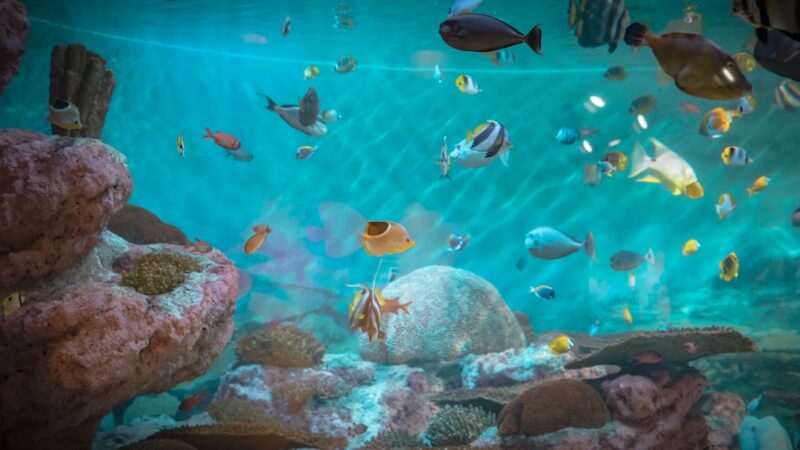
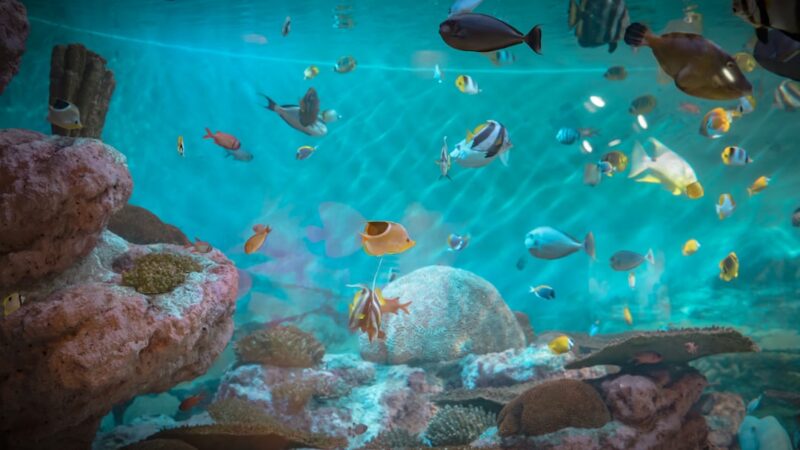
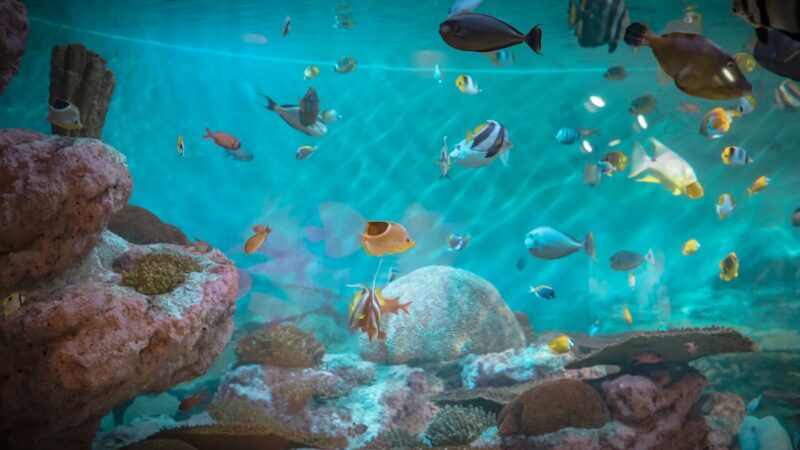
A well-designed display aquarium is the most powerful sales tool a pet shop can have. Customers walk in for dog food and leave with a tank, fish and accessories because a single beautiful setup caught their eye. This aquarium pet shop display guide from Gensou Aquascaping at 5 Everton Park, Singapore, draws on over 20 years of building showpiece installations for retailers and public spaces. The principles are straightforward: showcase fish at their best, keep maintenance realistic, and create displays that inspire customers to replicate what they see.
Strategic Placement and Visibility
Position your flagship display where it is visible from the shop entrance or the main walkway. Foot traffic in Singapore’s malls and shophouse strips moves fast, so the tank needs to stop people within five seconds. A large 4-5 foot planted aquascape near the window works brilliantly, drawing passers-by inside. Place it at eye level, around 90-120 cm from floor to midpoint, so both adults and children can view it comfortably. Avoid tucking display tanks in corners or behind shelving where only customers already browsing the fish section will notice them.
Themed Displays That Tell a Story
Generic community tanks with random fish do not inspire purchases. Create themed setups that customers can envision in their own homes. A “beginner planted tank” using only easy-care species and affordable equipment demonstrates an achievable goal. A “shrimp garden” with cherry shrimp on a moss-covered landscape targets the growing nano tank market. A discus showpiece appeals to advanced hobbyists with deeper pockets. Label each display with the approximate setup cost, species list and equipment used. This turns a pretty tank into a shoppable package.
Livestock Selection for Maximum Impact
Choose fish that display vivid colour, active behaviour and tight schooling. Cardinal tetras under proper lighting look electric. A school of 20-30 in a planted tank is mesmerising. Pair them with a few standout centrepiece fish like a pair of apistogrammas or a group of Boesemani rainbowfish. Avoid shy or nocturnal species that hide during business hours. Ensure display fish are healthy and well-fed; thin, pale or diseased fish in a display tank damage your shop’s credibility instantly. Quarantine all display livestock separately before introduction.
Lighting That Sells
Good lighting is what separates a stunning display from a forgettable one. Full-spectrum LEDs at 6,500 K make plant greens pop and bring out fish colours. Mount lights on a timer matching shop hours so the tank is always illuminated when customers are present. Consider a brief moonlight phase during opening and closing for ambience. Avoid overly blue or overly warm lighting that distorts fish colours, as customers will be disappointed when their purchase looks different at home under standard lighting. Consistency between display tank lighting and the lighting sold on your shelves builds trust.
Filtration and Water Quality Behind the Scenes
Display tanks must look effortless even though the maintenance behind them is rigorous. Use oversized canister filtration hidden in the cabinet, rated at least twice the tank volume per hour. Run activated carbon continuously to keep water crystal clear. An inline UV steriliser prevents green water and reduces disease transmission, crucial when display tanks share a water system with sales tanks. In Singapore, where ambient temperatures run high, ensure the filtration cabinet has ventilation or a small fan to prevent canister filters and equipment from overheating in enclosed spaces.
Signage and Educational Content
A small laminated card beside each display listing species names, care difficulty and price range turns browsers into buyers. QR codes linking to your shop’s care guides or YouTube channel extend the engagement beyond the store visit. Staff should be trained to use display tanks as teaching tools, walking customers through the setup during quiet periods. Many successful fish shops in the Serangoon North area and at C328 Clementi use this approach, and their aquarium pet shop display setups consistently drive higher average transaction values.
Maintenance Routine for Retail Environments
Schedule maintenance during off-peak hours, early morning or late evening, so customers never see the tank in a messy state. A twice-weekly glass clean, weekly 25% water change and fortnightly filter rinse keeps displays looking pristine. Trim plants weekly to maintain the intended layout rather than letting them grow wild. Replace any fish that die immediately to keep the display fully stocked. Designate one staff member as the display tank custodian to ensure accountability. A neglected display tank costs more in lost sales than the labour to maintain it.
Measuring the Return on Investment
Track sales of species featured in your display tanks versus those kept only in bare sales tanks. Most shops find that featured fish sell at two to three times the rate. Calculate the cost of the display setup, ongoing maintenance and electricity against the incremental revenue it generates. A well-executed 4-foot display costing $2,000-4,000 to build typically pays for itself within three to six months through increased livestock and equipment sales. It also elevates your shop’s brand perception, justifying premium pricing across your entire product range.
Related Reading
- Aquarium for Barber Shops: Masculine Calm While You Wait
- Aquarium for Barber Shops in Singapore: Sharp Style and Calm Water
- Aquarium for Bridal Shops in Singapore: Romance and Reflection
- Aquarium for Bubble Tea Shops in Singapore: Fun and Colourful
- Aquarium for Cake Shops in Singapore: Sweet Displays