
Nitrogen Dosing in Planted Aquariums: The Primary Macro
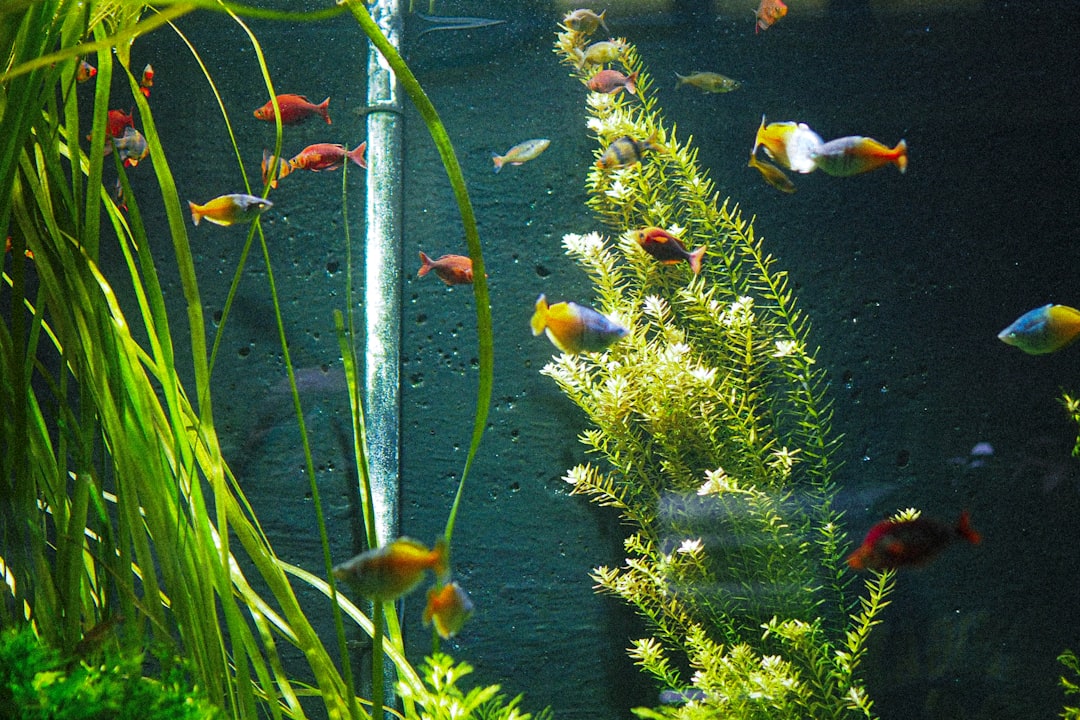
This nitrogen dosing planted aquarium guide breaks down the most important macronutrient for healthy plant growth in your tank. At Gensou Aquascaping, 5 Everton Park, we help Singapore hobbyists navigate fertilisation with clarity and confidence, starting with the nutrient that underpins everything else.
Why Nitrogen Matters in Planted Tanks
Nitrogen is the primary building block of amino acids, proteins and chlorophyll. Without adequate nitrogen, aquatic plants cannot photosynthesise effectively, grow new tissue or maintain their colour. In a planted aquarium, nitrogen demand is substantial, often exceeding what fish waste and feeding alone can supply. This makes deliberate nitrogen dosing essential for any tank with moderate to heavy planting, particularly those running high light and CO2 injection. Understanding nitrogen’s role is the first step towards a balanced, algae-free planted tank.
Forms of Nitrogen in the Aquarium
Nitrogen exists in several forms within the aquarium ecosystem. Ammonia (NH3) and ammonium (NH4+) are produced by fish waste, decaying organic matter and uneaten food. Beneficial bacteria convert these into nitrite (NO2-) and then nitrate (NO3-), which is the primary form plants absorb through their roots and leaves. Some plants, particularly fast-growing stems, can also utilise ammonium directly, but nitrate is the safer and more stable form to dose. In a well-cycled aquarium, the nitrogen cycle maintains a continuous supply of nitrate, but in densely planted tanks, plant uptake frequently outstrips natural production.
Target Nitrate Levels
For a planted aquarium, maintaining a nitrate concentration of 10 to 30 parts per million generally supports robust plant growth. Lightly planted or low-light tanks may function well at the lower end, while high-light, CO2-injected systems with dense plantings often require levels towards the upper range. Consistently undetectable nitrate in a planted tank is a red flag indicating that plants are nitrogen-limited. Test nitrate regularly using a reliable liquid test kit, as strip tests can be imprecise. Adjust your dosing schedule based on test results and visual assessment of plant health.
Nitrogen Sources for Dosing
The most common nitrogen source for planted aquariums is potassium nitrate (KNO3), which supplies both nitrogen and potassium without introducing undesirable compounds. It dissolves readily in water and can be dosed as a dry powder or mixed into a liquid solution for convenience. Some hobbyists use calcium nitrate (Ca(NO3)2) when additional calcium is needed, or urea-based fertilisers for ammonium-preferring setups, though the latter requires careful handling to avoid ammonia spikes. All-in-one liquid fertilisers available in Singapore also contain nitrogen but may not provide sufficient quantities for heavily planted tanks. At Gensou Aquascaping, we recommend a dedicated nitrogen source for precise control.
Dosing Methods and Schedules
Two widely used dosing approaches are the Estimative Index (EI) and lean dosing. The EI method involves dosing nutrients generously to ensure plants never face a deficiency, with a large weekly water change to reset excess levels. A typical EI nitrogen dose for a 200-litre tank is approximately three-quarters of a teaspoon of KNO3 three times per week. Lean dosing, by contrast, targets specific nutrient concentrations based on testing and adjusts doses to match plant uptake. Lean dosing requires more monitoring but results in less nutrient waste. Choose the method that suits your schedule and comfort level with testing.
Signs of Nitrogen Deficiency
Nitrogen-deficient plants display several characteristic symptoms. Older leaves turn pale green to yellow first, as the plant mobilises nitrogen from mature tissue to support new growth. Growth slows overall, and stems may become thin and spindly. In severe cases, older leaves develop transparent patches before disintegrating entirely. Fast-growing stem plants show deficiency symptoms earliest, making them useful indicator species. If you observe these signs, test your nitrate level immediately and increase dosing. A single corrective dose often produces visible improvement within days as plants resume normal growth.
Risks of Excess Nitrogen
While nitrogen deficiency is a common problem, excessive nitrogen creates its own challenges. Persistently high nitrate levels above 40 to 50 parts per million can promote algae growth, particularly green water and hair algae, especially if other nutrients or CO2 are not proportionally available. An imbalance where nitrogen is abundant but phosphorus or micronutrients are lacking creates conditions that favour algae over plants. The solution is not simply to reduce nitrogen but to balance all nutrients in proportion. Regular water changes help prevent nutrient accumulation and keep the system in equilibrium.
Practical Tips for Singapore Hobbyists
Singapore’s tap water contains minimal nitrate, typically below 5 parts per million, which means most of the nitrogen in your planted tank must come from dosing and biological processes. If you keep a heavily stocked tank, fish waste contributes a meaningful amount of nitrogen, and you may need to dose less. In contrast, a lightly stocked or shrimp-only planted tank requires full nitrogen supplementation. Keep a dosing log and review it alongside your test results to identify trends and fine-tune your approach. Dry fertiliser salts, available from specialty aquascaping shops in Singapore, offer the most economical and flexible dosing option. For personalised fertilisation plans and dry salt supplies, visit Gensou Aquascaping at 5 Everton Park.
Related Reading



