

Aquarium Plant Holes in Leaves Diagnosis Guide: Potassium or Pest
Pinhole-sized punctures in older Anubias leaves and ragged edges on Echinodorus blades trigger one of two reflexes — assume potassium deficiency, or blame snails. Both can be wrong. Diagnosing holes in aquarium plant leaves properly means reading the hole’s shape, location and surrounding tissue rather than guessing. The signature is usually obvious once you know what to look for. This guide from Gensou Aquascaping at 5 Everton Park breaks down the four main causes with photographic-quality descriptions of each.
Potassium Deficiency: The Pinhole Pattern
Potassium-driven holes start as pinpricks roughly 1-2mm across, scattered randomly on older leaves. The surrounding tissue is intact and green at the hole edge — no yellowing, no chewing damage. The holes enlarge over weeks rather than appearing overnight. Anubias, Echinodorus and large rosettes show this pattern most clearly. Dose potassium sulphate at 10-15 ppm weekly, and the new leaves emerge hole-free within three to four weeks.
Snail Damage: Irregular Edges and Trails
Snail-grazed holes appear suddenly, often overnight, with ragged or scalloped edges where the radula scraped tissue. Look for a slime trail across the leaf surface or attached snails in the morning. Bladder snails, ramshorns and Malaysian trumpets all chew tender leaves like Hygrophila pinnatifida and Ludwigia palustris. Heavy infestations turn leaves into lace within days. The fix is population control: assassin snails, manual removal at lights-out, and reducing overfeeding.
Shrimp Grazing on Weakened Leaves
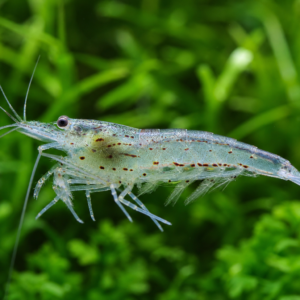
Amano and neocaridina shrimp do not eat healthy plant tissue but readily graze on leaves already weakened by deficiency or melt. The damage looks like potassium pinholes but accelerates rapidly because shrimp work the holes wider. The diagnostic clue is the timing — shrimp damage shows on already-yellowing or melting leaves, not on healthy green ones. Solving the underlying deficiency stops the cascade.
Otocinclus and Algae-Eater Mistakes
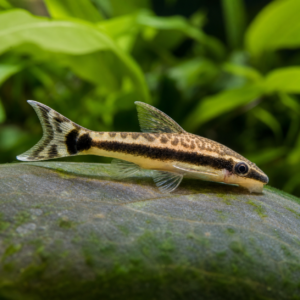
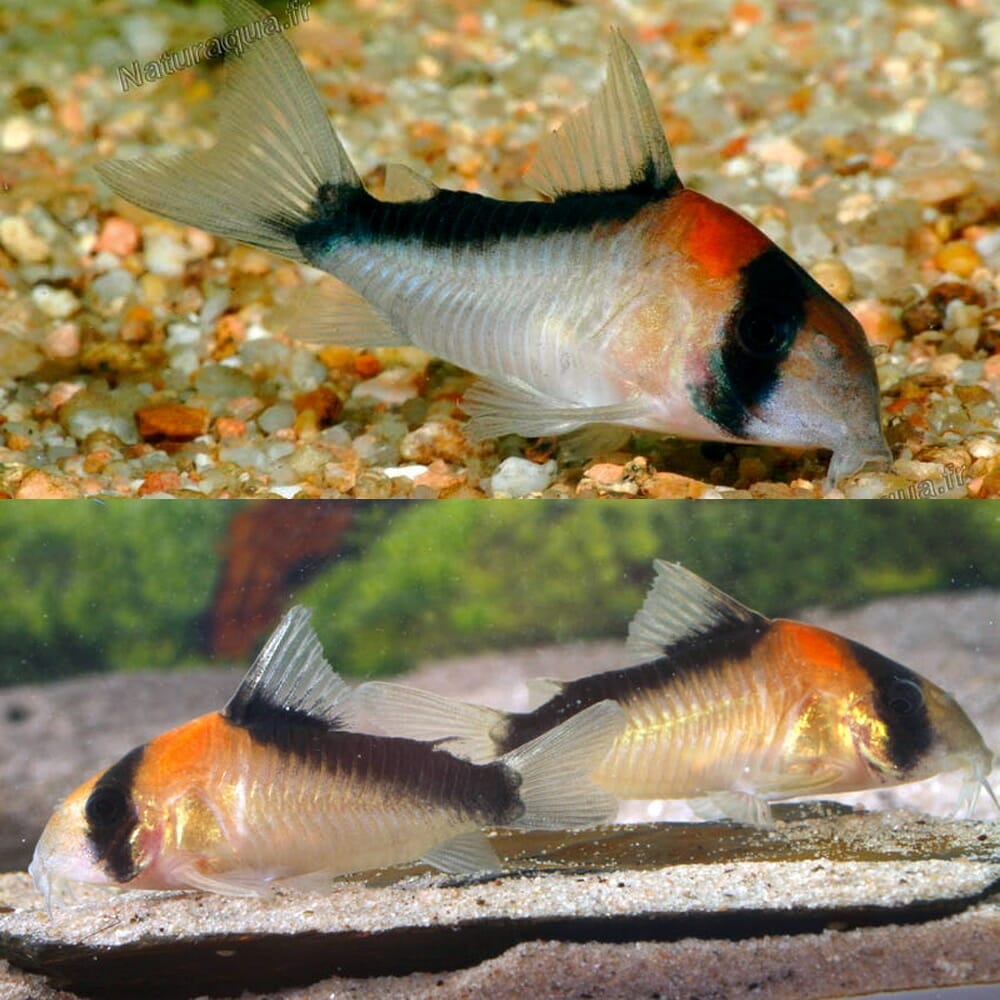
Otocinclus rasping algae off thin Anubias and Echinodorus leaves occasionally takes a layer of leaf tissue with it. The damage looks like translucent patches rather than holes — the leaf is thinner but not punctured. Severe cases progress to full holes after the patches degrade. The fix is supplemental feeding with algae wafers or zucchini so the otos do not graze on living tissue.
Mechanical Damage From Trimming
Sometimes confused with pest damage, mechanical holes appear at predictable points — where scissors crushed a stem or tongs pinched a leaf. Cheap kitchen scissors crush rather than cut, leaving frayed edges that brown and die. The fix is upgrading to proper aquascaping scissors that slice cleanly. Browse the aquascaping tools range for stainless straight and curved scissors.
Reading Hole Position on the Leaf
Position matters as much as shape. Holes near the leaf base or along the central rib are typically nutrient-driven because that is where the leaf demands most. Holes scattered uniformly suggest pest damage. Holes along the leaf margin or tip suggest mechanical damage or otocinclus grazing. Photograph affected leaves under tank light and compare against healthy leaves of the same species.
Confirming Potassium Through a Test
Direct potassium tests are expensive and rarely run by hobbyists. The practical test is response to dosing. Add 15 ppm potassium sulphate as a single dose and observe the next week of new leaves. If pinholes vanish from emerging tips, potassium was the cause. If pinholes persist on new growth, look elsewhere — likely snails or boron deficiency. Singapore PUB water arrives near-zero potassium, so most planted tanks need supplementation.
Snail Population Control That Works
Three reliable methods. First, drop overfeeding to once daily and skip a day weekly — snail populations crash without excess food. Second, place a slice of zucchini or cucumber on the substrate at lights-out and remove with the snails attached the next morning. Third, introduce three to five assassin snails per 60-litre tank. Avoid copper-based snail killers — they wipe out shrimp and stress fish. The decoration and substrate range stocks botanical leaves that mildly deter snail breeding.
Distinguishing Holes From Melt
Melt creates holes too, but they form by the leaf tissue going translucent and disintegrating, not by clean punctures. Melt holes have soft edges that crumble when touched; potassium holes have firm edges. Cryptocoryne melt produces dramatic full-leaf disintegration rather than localised holes. If unsure, leave the leaf alone for a fortnight — melt continues, potassium pinholes stay static.
Preventing Recurrence
A consistent dosing schedule prevents most nutrient-driven holes. Estimative Index dosing on a Sunday-Wednesday-Friday rotation keeps potassium and other macros in adequate range. Snail damage drops with disciplined feeding. Mechanical damage drops with proper tools. Tracking the leaf-hole frequency monthly catches drift before it becomes visible across the tank.
Related Reading



