Aquarium Tank Sizing Guide: Choosing Dimensions for Your Space
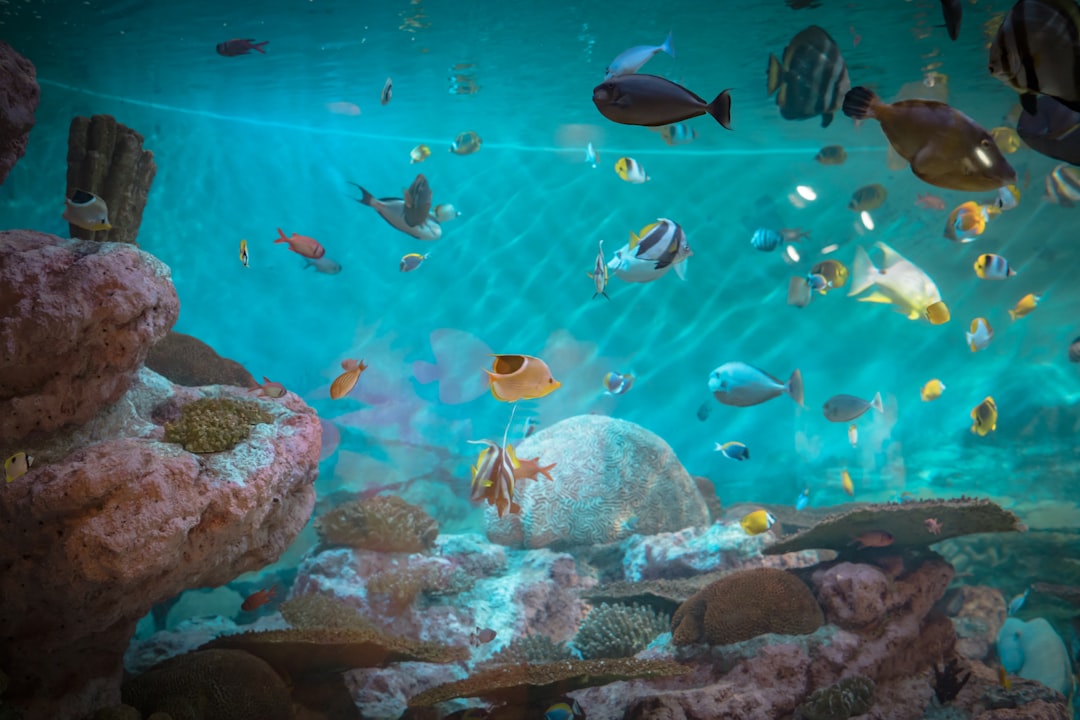
The single most consequential decision in setting up an aquarium is tank size, and most beginners get it wrong twice: first by going too small because budget feels limiting, then by regretting the purchase within six months and upgrading. This aquarium tank sizing guide from Gensou Aquascaping at 5 Everton Park walks through the decision framework that avoids the double-buy, including footprint versus height trade-offs, stocking density maths, HDB weight constraints, and typical Singapore pricing brackets. Getting the size right at the start saves money, stress, and at least one wet-weekend teardown.
Footprint Beats Volume
A 60 x 30 x 45 cm tank holds 81 litres; a 90 x 30 x 30 cm tank holds the same 81 litres but offers 50 percent more substrate area and noticeably better swimming room for tetras, rasboras, and gouramis. Footprint drives biological capacity and aquascape possibilities far more than gross volume.
When choosing between two tanks of similar volume, almost always pick the longer footprint over the taller one. The exception is discus, angelfish, and other vertically-oriented species that genuinely benefit from height above 45 cm.
Space Audit in HDB Flats
Measure the intended wall or corner carefully, accounting for cabinet depth, skirting boards, air-conditioning runs, and the arc of any nearby door swings. A 90 cm tank needs roughly 100 cm of wall space to accommodate a matching cabinet with side access for cables and filter hoses.
Power point location matters too. Most setups need three to five outlets nearby for filter, heater or chiller, lighting, and pumps. If your intended wall has only a single double socket, budget for an IMDA-safe surge-protected power strip rather than running extensions across the living room.
Floor Load Considerations
HDB floor load is typically 150 kg per square metre, calculated over any two square metre area. A filled 90 cm standard tank with cabinet, substrate, and rock weighs around 180 to 220 kg, which is well within limits. A 120 cm tank reaches 350 to 450 kg; a 150 cm tank 500 to 650 kg; a 180 cm tank easily exceeds 800 kg loaded.
Tanks above 120 cm benefit from placement parallel to floor joists rather than across them, which in typical HDB flats means against a load-bearing wall. For tanks over 600 kg total, a structural engineer’s assessment is prudent and typically costs $400 to $800.
Standard Singapore Tank Sizes
Local fabricators tend to produce tanks in imperial-derived sizes converted to metric. Common footprints include 60 x 30 cm (2 foot), 90 x 45 cm (3 foot), 120 x 50 cm (4 foot), 150 x 60 cm (5 foot), and 180 x 60 cm (6 foot). Heights typically track from 35 to 60 cm depending on use case.
Off-the-shelf tanks in these sizes from retailers around Serangoon North Avenue 1, C328 Clementi, and various Thomson shops cost $80 to $200 for nano, $200 to $450 for three-foot, $450 to $900 for four-foot, and $900 to $1800 for five-foot builds before cabinet and equipment.
Stocking Density Reality Check
The old one-inch-per-gallon rule is unreliable and overstocks most tanks. A better approach ties stocking to filtration capacity and adult fish size. For community tetras and rasboras in a well-filtered planted tank, roughly one small fish per 3 to 4 litres of actual water volume works comfortably.
Larger or messier species need substantially more space. A single adult discus wants 40 to 50 litres per fish minimum; an oscar needs 200 litres for a single juvenile growing out to adult; a community of six angelfish needs a 250 litre tank minimum to avoid breeding-season aggression.
Height and Maintenance Access
Tanks deeper than 50 cm become awkward to maintain without stepping onto a stool. Substrate scaping, trimming, and fish catching all become harder with every additional centimetre of depth. For hobbyists under 170 cm tall, a 45 to 50 cm height sweet spot makes weekly maintenance sustainable.
If you want a tall tank for aesthetic reasons, consider shorter aquascape elements that leave clear water at the top third, and budget for longer tweezers and magnet cleaners with extension handles.
Scaling for Future Upgrades
Many beginners buy a 60 cm starter tank intending to upgrade in a year, then discover the time and cost of moving substrate, rock, and livestock is painful enough that they delay indefinitely. A common outcome is five years in a tank that was meant to be temporary.
If you have the space and budget for a 90 cm tank from the start, buy it. The incremental cost over a 60 cm setup is $150 to $300, which is less than the cost of upgrading later when you add moving labour, new substrate, and livestock re-acclimation.
Nano, Mid, and Large Categories
Nano tanks below 30 litres suit shrimp-only setups, single betta displays, and desktop scapes, with temperature stability as the main challenge in Singapore’s warm ambient. Mid-size 60 to 120 litre tanks cover most community fish options and make the best first planted tanks. Large 200 litre plus systems open up cichlids, larger schools, and reef possibilities but demand more serious commitment.
Related Reading
- HDB Aquascaping Floor Load Guide
- First Planted Tank Checklist
- Custom Aquarium Build Guide Singapore
- Nano Aquarium Setup Guide Singapore
- Aquarium Filtration Sizing Guide
Conclusion
Right-size your tank by working from space and weight constraints backward to footprint, then to stocking plan, and only then to height. Singapore’s apartment realities reward longer, shallower tanks over tall columns, and buying one size larger than you think you need almost always pays back within the first year. Measure twice, account for the cabinet and cabling, and aim for a tank you can maintain comfortably for a decade rather than one you plan to upgrade from next year.