Aquarium Therapy: Fish Tanks in Healthcare and Rehabilitation
The calming effect of watching fish is not just anecdotal — decades of research confirm that aquariums reduce blood pressure, heart rate, anxiety and stress. Increasingly, hospitals, clinics, therapy centres and aged care facilities are incorporating aquariums as therapeutic tools. This guide on aquarium therapy healthcare from Gensou Aquascaping at 5 Everton Park explores the science and practical applications.
The Science Behind Aquarium Therapy
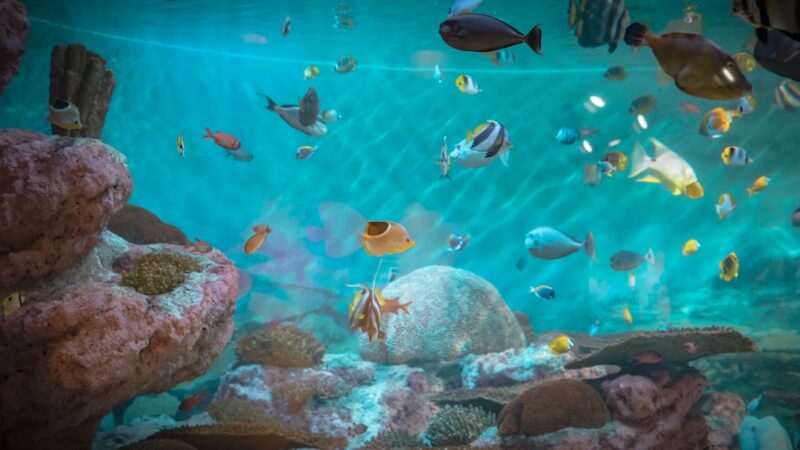
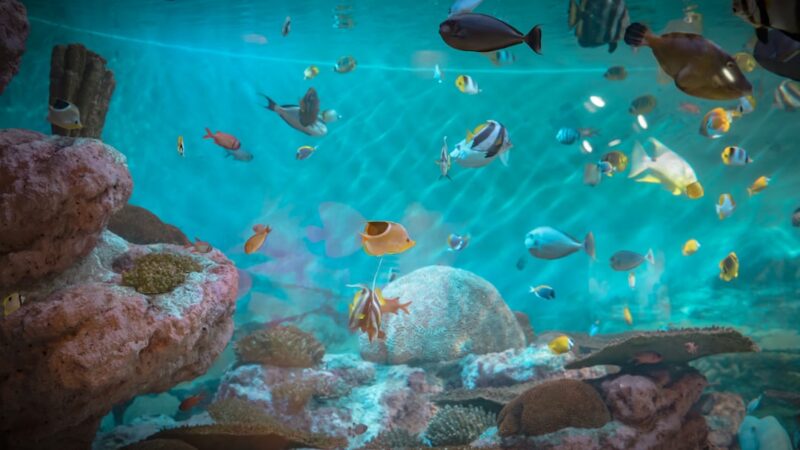
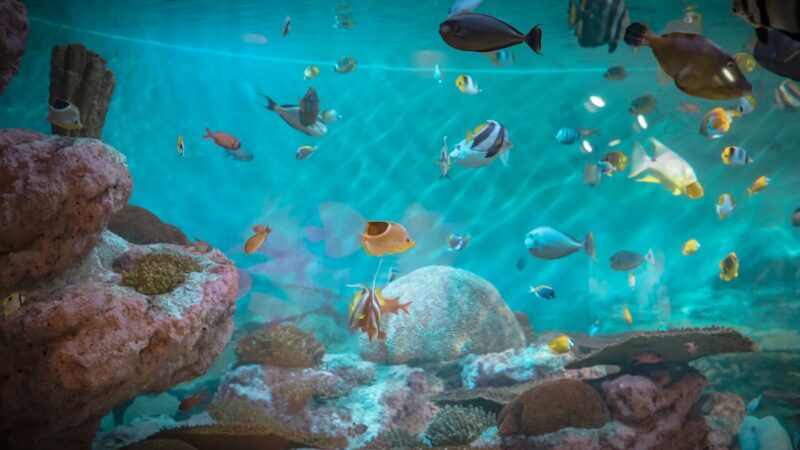
A landmark study published in the journal Environment & Behavior found that watching fish in aquariums significantly reduces blood pressure and heart rate within minutes. Research at the National Marine Aquarium in Plymouth demonstrated that the more species diversity in a tank, the greater the calming effect. The rhythmic movement of fish, the sound of gentle water flow and the visual complexity of an aquatic environment activate the parasympathetic nervous system — the body’s “rest and digest” mode.
Aquariums in Hospitals and Clinics
Many hospitals worldwide install aquariums in waiting rooms, and the results are measurable: patients in rooms with aquariums report lower anxiety levels before procedures and require less pain medication post-operatively. Dental clinics with aquariums in waiting areas find that patients’ anxiety scores decrease compared to those with television or magazines. The effect is particularly strong for children, who become absorbed in watching the fish.
Dementia and Aged Care
Research published in Alzheimer Disease & Associated Disorders found that aquariums in dining areas of dementia care facilities led to increased food intake, reduced need for nutritional supplements and decreased wandering and agitation. The visual stimulation provides a calming focal point, and the daily routine of fish feeding can give residents a sense of purpose and responsibility. Wall-mounted or built-in tanks ensure safety while maximising viewing access.
Mental Health and Anxiety
Therapists increasingly recommend aquarium keeping as a mindfulness practice. The routine of tank maintenance — water testing, feeding, plant trimming — provides structure and a sense of accomplishment. Watching an aquascape grow and evolve offers a living meditation. For individuals with anxiety or depression, the responsibility of caring for living creatures provides motivation and a connection to nature without the demands of pet ownership.
Autism and Sensory Processing
Children and adults on the autism spectrum often respond positively to aquariums. The predictable, gentle movement of fish provides sensory input without overwhelming stimulation. The visual patterns of swimming fish, bubbles and flowing plants create a calming sensory environment. Some therapy centres use aquariums as a sensory regulation tool, allowing clients to self-regulate by watching the tank during moments of overstimulation.
Setting Up a Therapeutic Aquarium
For therapeutic settings, prioritise visual impact and low maintenance. Choose colourful, active fish like tetras, rasboras and guppies for maximum engagement. A well-planted aquascape provides more visual complexity and calming effect than a bare tank. LED lighting with adjustable colour temperature enhances the mood — warm tones for relaxation, cooler tones for alertness. Ensure the tank is placed at eye level for the primary audience.
Maintenance Considerations for Institutions
Institutional aquariums need to be low-maintenance and tamper-proof. Choose hardy fish and plants that tolerate occasional lapses in care. Automated equipment — auto-feeders, auto-top-off systems and timers — reduces daily maintenance demands. Partner with a professional aquarium maintenance service for regular cleaning and water changes. Gensou Aquascaping offers maintenance packages tailored to institutional needs.
Safety in Healthcare Settings
Use built-in or wall-mounted tanks that cannot be tipped over. Ensure electrical connections are safely managed and inaccessible to patients. Choose rounded corners and thick glass or acrylic. In dementia care settings, the tank should be viewable but not accessible — a cabinet-style setup with a clear viewing panel works well. Avoid open-top tanks in environments where patients might interact unsafely with the water.
Singapore Applications
Singapore’s ageing population makes aquarium therapy particularly relevant for local eldercare. Several nursing homes and community centres in Singapore have already installed therapeutic aquariums with positive results. The warm climate simplifies equipment needs — no heaters required. Gensou Aquascaping has experience designing and maintaining aquariums for institutional settings in Singapore, ensuring reliable, worry-free operation.
Conclusion
Aquarium therapy is backed by solid research and growing in practice worldwide. Whether in a hospital waiting room, therapy centre, aged care facility or your own living room, the calming power of an aquarium is a proven contributor to wellbeing. Contact Gensou Aquascaping at 5 Everton Park to discuss a therapeutic aquarium installation for your facility.