
Aquascaping for Children’s Bedrooms in Singapore: Safe and Fun
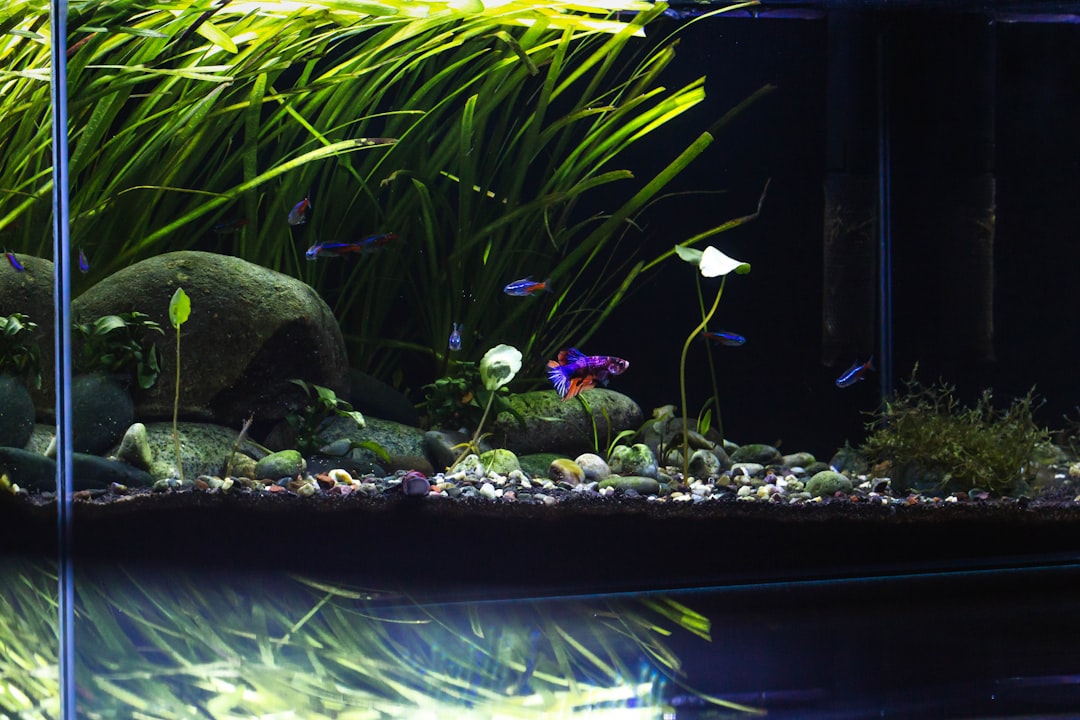
A bedroom aquarium teaches children about ecosystems, responsibility, and patience — all while doubling as a calming nightlight. Designing an aquascape for children’s bedrooms in Singapore requires extra thought around safety, durability, and engagement. At Gensou Aquascaping Singapore, with over 20 years of experience at 5 Everton Park, we have built kid-friendly setups for families across the island and know what keeps both children and parents happy.
Safety First: Tank Material and Placement
Glass tanks shatter. For a child’s room, acrylic or ultra-clear polycarbonate tanks eliminate the risk of broken glass from a stray football or toppled toy. Acrylic tanks in the 20–30 litre range cost $30–$50 on Shopee — only slightly more than equivalent glass. Place the tank on a stable, low surface the child cannot tip: a sturdy bedside table bolted to the wall or a dedicated stand with a wide base. Never place an aquarium on the edge of a high shelf where a curious toddler might pull it down.
Secure all electrical cords — filter plugs, light adapters — behind furniture and use drip loops to prevent water from travelling down cables to wall sockets. A residual current device (RCD) adapter adds another layer of electrical safety for under $15.
Choosing Child-Friendly Fish
Children want colourful, active fish they can name and recognise. Bettas are an obvious favourite — vibrant, responsive to the child’s presence, and hardy enough to tolerate minor care lapses. A small school of guppies or endlers offers constant movement and the excitement of livebearing babies appearing. Neocaridina cherry shrimp in bright red or yellow fascinate kids endlessly; watching them graze and carry eggs is better than any screen.
Avoid species that hide all day (Pangio loaches, many catfish) or aggressive fish that stress tank mates visibly. The goal is joyful observation, not a nature documentary on territorial disputes.
Plants That Survive Kid-Level Maintenance
Assume the tank will occasionally miss a water change or get overfed. Hardy, forgiving plants handle fluctuating conditions best: java fern tied to driftwood, Anubias nana glued to rocks, java moss draped over a coconut shell cave. These species tolerate low light, no CO2, and irregular fertiliser dosing. Avoid delicate carpeting plants that yellow and die without precise care — nothing discourages a child faster than a tank full of brown mush.
Aquascape Themes Kids Love
Let the child choose a theme within safe parameters. A “jungle” scape with dense plants and hiding spots appeals to adventurous types. A “treasure cave” with a ceramic or resin cave centrepiece (check it is aquarium-safe) sparks imaginative play. A “rainbow shrimp” tank with mixed neocaridina colours — red, orange, yellow, blue — turns the tank into a living colour palette. Involving the child in design builds ownership and encourages them to participate in maintenance.
Lighting as a Nightlight
A dimmable LED with a timer serves double duty: growing plants during the day and providing a soft, calming glow at bedtime. Set the light to dim blue or moonlight mode from 8 p.m. onward. Many budget nano LEDs from Lazada ($15–$25) include a blue-only channel. The gentle shimmer of water under moonlight is proven to reduce bedtime resistance in young children — a welcome side benefit for parents.
Teaching Responsibility Through Routine
Assign age-appropriate tasks: a five-year-old can sprinkle food (measured into a small cup to prevent overfeeding), a seven-year-old can help siphon water during changes, and a ten-year-old can test water parameters with strip kits. Keep a simple chart on the wall beside the tank — feeding days, water change days, observation notes. This routine builds discipline without feeling like homework.
Noise and Sleep Quality
Bedroom tanks must be near-silent. A sponge filter driven by a quality diaphragm air pump (Hiraki or Tetra brands) operates below 25 dB — quieter than a whisper. Hang-on-back filters with waterfall returns create a gentle white-noise effect some children find soothing. Test the noise level yourself before placing the tank in your child’s room; what sounds fine in a living room may feel loud in a quiet bedroom at midnight.
Budget and Long-Term Commitment
A complete child-safe setup costs $80–$130 SGD: acrylic tank, sponge filter, LED light, inert gravel, hardy plants, and a betta or small shrimp colony. Monthly running costs are negligible — electricity for the light and pump, a bottle of dechlorinator, and occasional fish food. The real investment is time and attention, which is exactly the point. An aquascape in a child’s bedroom in Singapore is not just decoration — it is a daily lesson in caring for living things.
Related Reading



