
Aquascaping for Hospital Rehabilitation Centres: Healing Environments
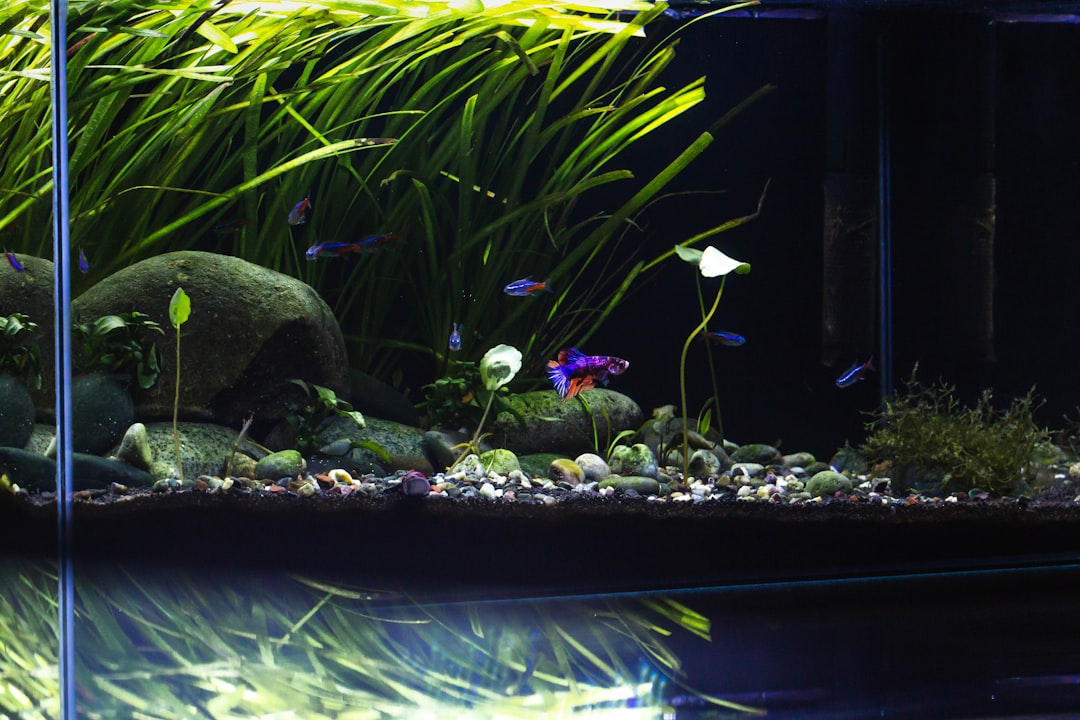
Research consistently shows that watching fish reduces blood pressure, slows heart rate, and lowers anxiety — effects that align perfectly with rehabilitation goals. An aquascape for a hospital rehabilitation centre must balance therapeutic impact with practical demands: low maintenance, infection-control compliance, and durability in a high-traffic clinical environment. Gensou Aquascaping at 5 Everton Park, Singapore, has designed aquarium installations for healthcare settings with these constraints firmly in mind over more than 20 years of commercial project work.
The Evidence for Aquariums in Healthcare
A 2019 study published in Environment and Behavior found that patients exposed to aquarium displays reported 12% lower pain scores and 17% less anxiety compared to control groups viewing a blank wall. Rehabilitation patients — recovering from surgery, stroke, or orthopaedic injury — spend hours in waiting areas and therapy rooms where an engaging visual focal point can measurably improve their experience. The slow, rhythmic movement of fish and swaying plants provides what researchers call “soft fascination,” holding attention without demanding cognitive effort.
Tank Placement and Safety Requirements
Position the tank where patients can view it from seated or reclined positions — waiting areas, physiotherapy gyms, and occupational therapy rooms are ideal. The viewing centre should be at 90-110 cm height for wheelchair accessibility. Use a wall-recessed or cabinet-mounted design that eliminates trip hazards from stands and cables. In Singapore, healthcare facilities must comply with fire safety regulations — ensure electrical components are accessible for inspection and that the tank does not obstruct emergency exit routes.
Tank Construction for Clinical Settings
Acrylic panels are preferred over glass in healthcare environments. Acrylic is lighter (important for wall-mounted installations), impact-resistant, and produces clearer viewing without the green tint of thick glass. A 150 x 50 x 50 cm acrylic tank weighs roughly 15 kg empty, compared to 40 kg for glass of the same dimensions. Enclose all equipment — filter, heater, dosing pumps — in a locked cabinet to prevent patient or visitor tampering. Use tamper-proof screws on access panels.
Aquascaping for Visual Calm
Avoid chaotic layouts with too many colours, textures, or movement competing for attention. A Nature-style aquascape with gentle curves, a single type of stone, and two to three plant species creates the serene, ordered composition that supports relaxation. Use soft greens — Anubias barteri, Java fern, Cryptocoryne wendtii green — and warm-toned driftwood. A simple layout also photographs well for facility marketing materials, which hospital administrators appreciate.
Fish Selection for Therapeutic Value
Slow, graceful swimmers with visible colour hold patient attention longest. A school of 20-30 cardinal tetras or rummy-nose tetras moving in coordinated patterns is genuinely hypnotic. Avoid aggressive species that chase or fight — patients do not need to witness conflict during recovery. Dwarf gouramis, honey gouramis, and Corydoras catfish are calm, visible, and hardy. Keep stocking conservative: understocked tanks look more peaceful, and lower bioload means less maintenance.
Maintenance Logistics
Clinical environments demand reliability. Design the filtration for twice the capacity needed — an oversized canister filter running at low flow ensures water quality survives a missed maintenance visit. Automate dosing (fertiliser, water conditioner) and lighting with timers. Schedule professional maintenance fortnightly, with a simple checklist for facility staff to top up evaporated water weekly. In Singapore’s climate, evaporation in air-conditioned spaces runs about 1-2 cm per week for an open-top tank — an auto top-off unit eliminates this task entirely.
Infection Control Considerations
Hospital infection-control teams may raise concerns. Reassure them that enclosed aquarium systems pose negligible infection risk — the water is sealed from the environment, and standard aquarium bacteria (Nitrosomonas, Nitrobacter) are not human pathogens. Use a tight-fitting lid to prevent aerosol release and ensure no patient contact with water. Provide documentation of your maintenance protocol, including water testing records, to satisfy compliance officers during audits.
Return on Investment for the Facility
A well-maintained rehabilitation centre aquascape costs roughly $3,000-$6,000 for initial setup (tank, equipment, aquascaping) plus $200-$400 monthly for professional maintenance in Singapore. Against this, facilities report improved patient satisfaction scores, positive feedback in online reviews, and a distinctive aesthetic identity that differentiates them from competitors. Several rehabilitation centres we have worked with cite their aquarium as one of the most-commented features in patient surveys — a modest investment that delivers outsized impact on the hospital rehabilitation environment.
Related Reading



